Sweet lobster in a white wine, cherry tomato, and chilli sauce over silky linguine — a restaurant classic made beautifully at home.
you order on a special occasion, the one that arrives at the table and makes everyone else in the restaurant look over with envy. The good news is that making it at home is far more achievable than its reputation suggests, and the result is every bit as impressive as anything you would be served in a trattoria overlooking the Italian coast.
The key to great lobster pasta is respecting the lobster. It is a delicate, sweet shellfish that needs very little time in the heat. Overcooking it even slightly transforms it from something silky and yielding into something tough and disappointing. The technique here is to cook the lobster briefly at the beginning to get colour on it, then remove it from the pan while the sauce develops, and return it right at the end just to warm through.
The sauce itself is built on the trinity of great Italian seafood pasta — garlic, white wine, and good olive oil — with cherry tomatoes and a touch of chilli. It is bright, vibrant, and just rich enough without overwhelming the sweetness of the lobster. Using the lobster shells to make a quick stock, if you have the time, adds another layer of depth that takes the dish from excellent to truly exceptional.
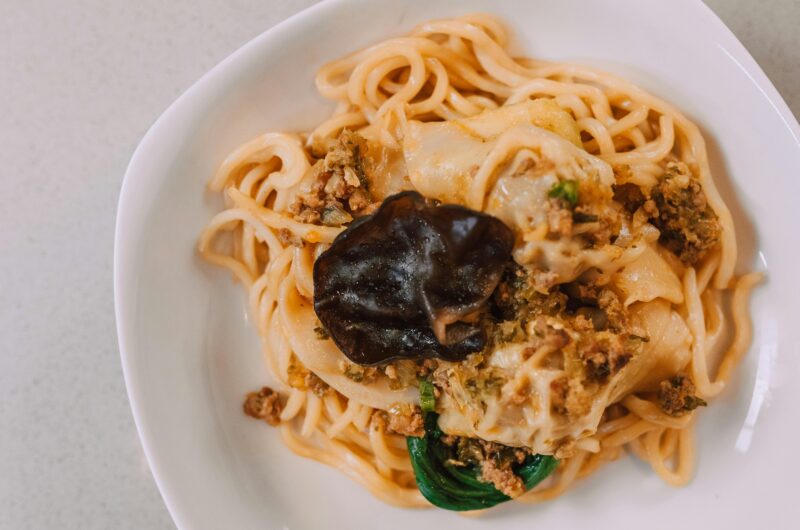
Lobster Linguine
Course: Italian, Pasta2
servings20
minutes30
minutes590
kcalIngredients
•t200g linguine
•t2 whole lobster tails, shell on (fresh or thawed from frozen)
•t4 tbsp extra virgin olive oil (plus extra to finish)
•t4 garlic cloves, thinly sliced
•t1/2 tsp chilli flakes
•t200ml dry white wine
•t300g cherry tomatoes, halved
•tJuice of 1 lemon
•tLarge handful fresh flat-leaf parsley, roughly chopped
•tSalt and freshly cracked black pepper
•tOptional: lobster shells simmered in 400ml water for 20 minutes to make a quick stock
Directions
- If making the optional lobster stock, place the shells in a small pan with 400ml water, bring to a simmer and cook for 20 minutes. Strain and set aside.
- Split the lobster tails in half lengthways with a sharp knife or kitchen scissors. Season the flesh with salt and pepper.
- Heat 2 tablespoons of olive oil in a wide pan over high heat until shimmering. Place lobster tails cut-side down and sear without moving for 2-3 minutes until the flesh is golden and the shell has turned red. Flip and cook for a further 2 minutes. The lobster should be just cooked through — do not overdo it. Remove from pan and set aside to rest.
- Reduce heat to medium. Add remaining olive oil to the same pan. Add sliced garlic and chilli flakes. Cook gently for 1-2 minutes until the garlic is golden and fragrant. Watch it carefully — burnt garlic will ruin the dish.
- Add the white wine. Let it bubble and reduce by half, about 2 minutes. Add cherry tomatoes and cook for 8-10 minutes until they have collapsed and released their juices. If using lobster stock, add 100ml at this stage and simmer for 3 minutes.
- Cook linguine in heavily salted boiling water until al dente. Reserve 100ml pasta water before draining.
- Add the drained linguine to the sauce pan and toss to coat over medium heat. Add a splash of pasta water if needed to loosen.
- Remove lobster meat from the shells and chop roughly into generous pieces. Add to the pasta along with lemon juice and parsley. Toss gently one final time.
- Serve immediately drizzled with your best extra virgin olive oil.
Notes
- Frozen lobster tails are significantly more affordable than fresh and the quality is excellent. Thaw overnight in the fridge for best results.
Do not overcook the lobster under any circumstances. Rubbery lobster is one of the most disappointing things in seafood cookery. When in doubt, undercook slightly — it will warm through again in the final toss with the pasta.
Making the quick lobster shell stock takes only 20 extra minutes and adds a noticeable depth of flavour to the sauce. It is worth doing if time allows.
Use your very best extra virgin olive oil for this dish — it is not hidden behind heavy flavours and its quality is perceptible in the final result.
No Parmesan. The traditional Italian rule of no cheese with seafood pasta exists for good reason — cheese overpowers the delicate flavour of the lobster.
Storage
Lobster linguine is best eaten the moment it is made. Lobster does not reheat successfully — it toughens rapidly when exposed to heat a second time. Make only as much as you intend to eat immediately. The tomato and white wine sauce base can be made up to 2 days ahead and stored in the fridge, but the lobster should always be cooked fresh and added at the last moment.
Serving Tips
Serve in wide warm bowls with a final generous drizzle of extra virgin olive oil and a wedge of lemon on the side. Crusty sourdough is ideal for mopping up the sauce. For wine, this dish deserves something special — a white Burgundy, a Vermentino di Gallura, or a beautiful Etna Bianco from Sicily all pair magnificently with the sweetness of the lobster and the acidity of the tomato sauce.