These sourdough bagels are soft inside chewy outside and packed with deep fermented flavor. Made with simple pantry ingredients and an easy boil and bake method they taste like real bakery bagels made fresh at home
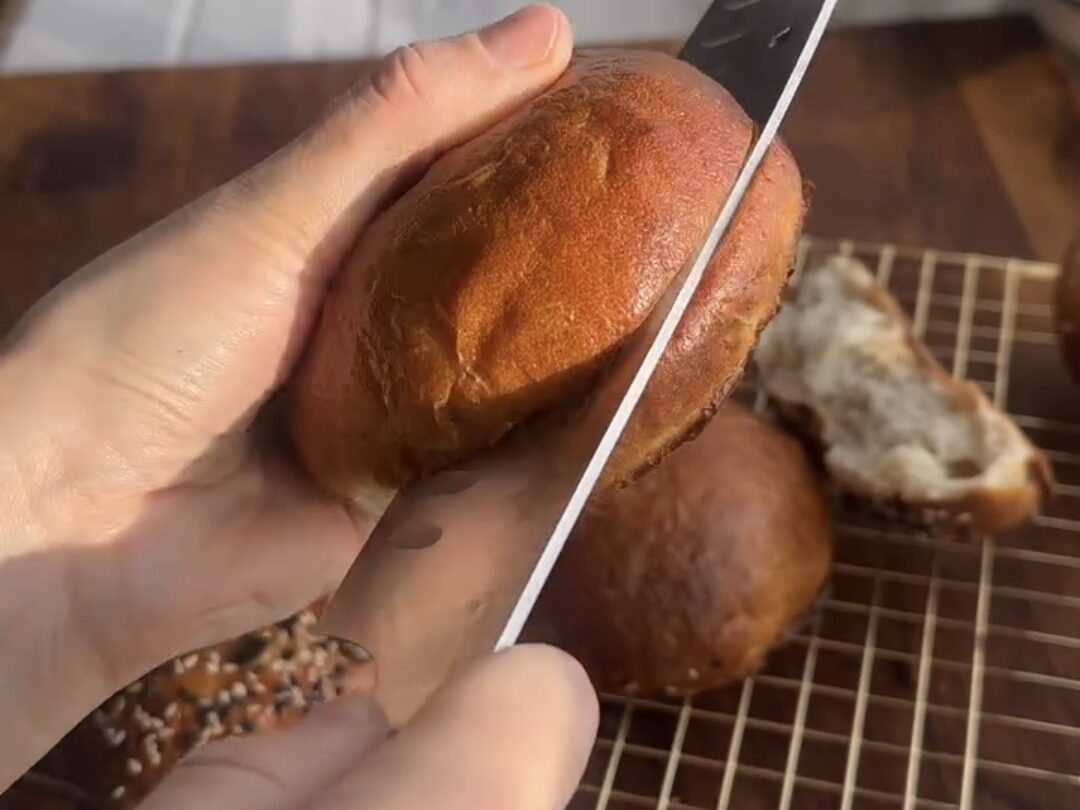
Sourdough bagels recipe is one of the most satisfying ways to make bakery style bagels at home because it combines simple ingredients with slow natural fermentation. This sourdough bagels recipe uses just flour water salt butter and an active sourdough starter to create bagels that are soft on the inside chewy on the outside and full of deep rich flavor. Unlike quick yeast recipes this sourdough bagels recipe relies on time instead of effort which means the dough develops better taste texture and structure naturally.
What makes this sourdough bagels recipe special is the long fermentation process which slowly builds strength in the dough while improving flavor at the same time. The dough becomes more elastic and easier to shape as it rests and the sourdough starter adds a mild tang that makes every bite more interesting. The addition of a small amount of butter and brown sugar gives a subtle richness that balances the flavor without making the bagels heavy or sweet.
This sourdough bagels recipe also uses the traditional bagel boiling method which is what gives bagels their signature chewy crust and glossy exterior. After shaping the dough into rings they are briefly boiled in water with baking soda and sugar which locks in their shape and creates that classic bakery style texture. Once baked the bagels turn golden brown and develop a crisp outer layer while staying soft and airy inside.
Overall this sourdough bagels recipe is designed to be simple enough for beginners but still deliver bakery quality results. It is flexible enough for same day baking or overnight fermentation depending on your schedule and the end result is always rewarding. Whether you eat them plain toasted or topped with your favorite spreads these bagels bring true homemade comfort straight from your kitchen.
Why You’ll Love This
You’ll love this recipe because it is simple but gives bakery level results at home. The sourdough adds deep natural flavor while keeping the texture perfectly chewy and soft. It is also flexible so you can bake the same day or let it ferment overnight for even better taste and structure. The process feels fun and rewarding even if you are new to baking and the results always feel impressive and homemade in the best way.
Why it works
This recipe works because sourdough fermentation naturally strengthens gluten and builds flavor over time. The autolyse step helps the flour fully hydrate which improves dough elasticity and handling. The small amount of butter and sugar adds balance without changing the classic bagel texture. The boiling step is what creates the signature chewy crust by setting the surface before baking. Everything works together to create consistent bakery style bagels at home.
Sourdough Bagels Recipe Easy Bagels at Home
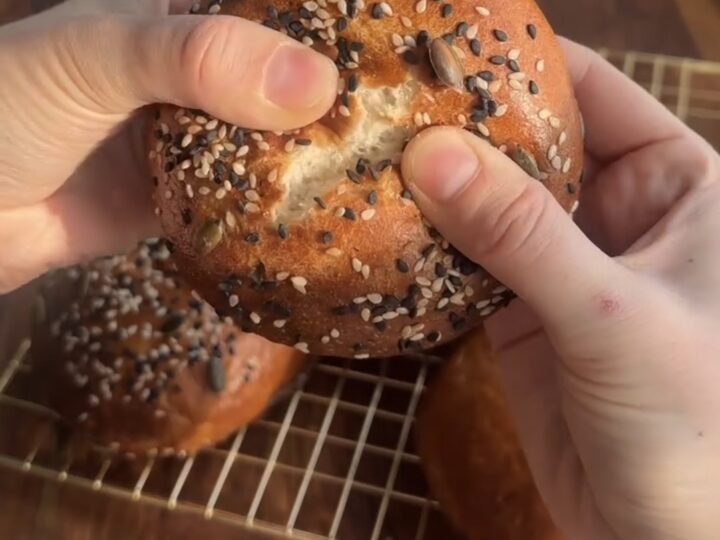
These sourdough bagels are soft chewy and full of deep natural flavor from slow fermentation. Made with simple pantry ingredients like flour water and sourdough starter they develop a rich bakery style taste without any commercial yeast. The outside gets perfectly golden and slightly crisp while the inside stays soft airy and satisfying. The baking soda boil gives them that classic shiny chewy crust that makes real bagels so addictive. This is a simple but rewarding recipe that brings true bakery style bagels right into your home kitchen.
Ingredients
- Active sourdough starter 80 g
- Water 175 g
- Brown sugar 30 g
- Bread flour 350 g
- Salt 4 g
- Butter 20 g
- Boiling water 1.6 L
- Baking soda 50 g
- Sugar 2 tbsp
- Egg wash 1 egg yolk mixed with 1 tbsp milk
Instructions
Step 1
Mix the flour, water, and sourdough starter in a large bowl until everything is fully combined and no dry flour remains. The dough should look rough and shaggy at this stage. Cover and let it rest for 30 minutes to autolyze, which allows the flour to fully hydrate and begin developing gluten naturally. This step improves dough strength, elasticity, and final chew.
Step 2
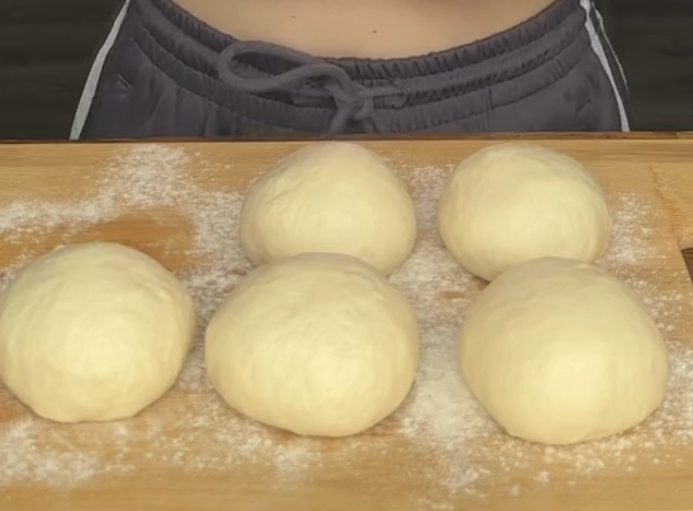
Add brown sugar, salt, and softened butter into the rested dough. Knead thoroughly until the dough becomes smooth, firm, and elastic with a slight shine. It should feel slightly tacky but not sticky and should stretch without tearing easily. Once kneaded, cover the dough and let it ferment at 23 to 25°C for about 6 to 8 hours until it becomes noticeably puffy and airy.
Step 3
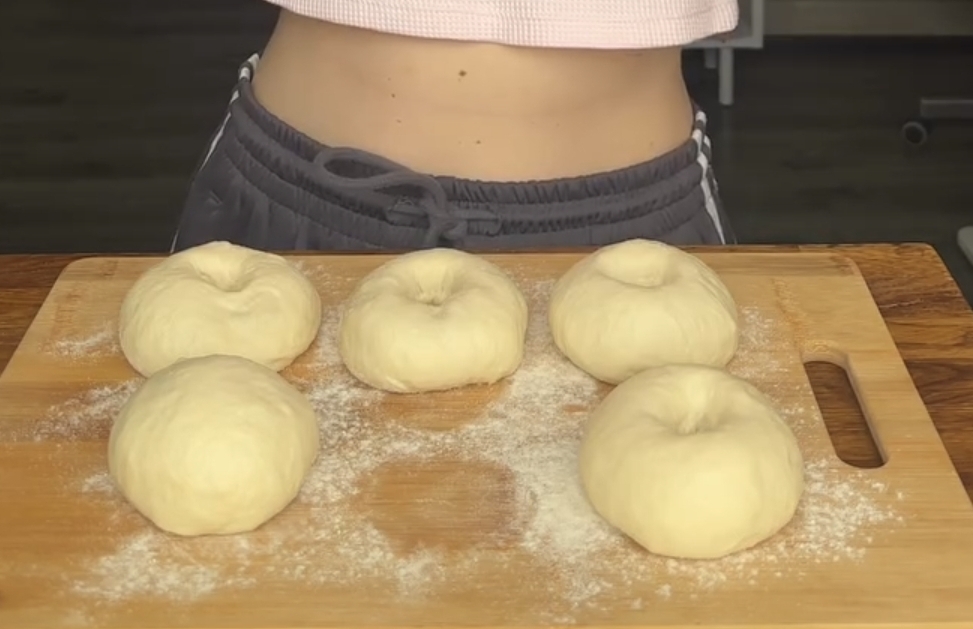
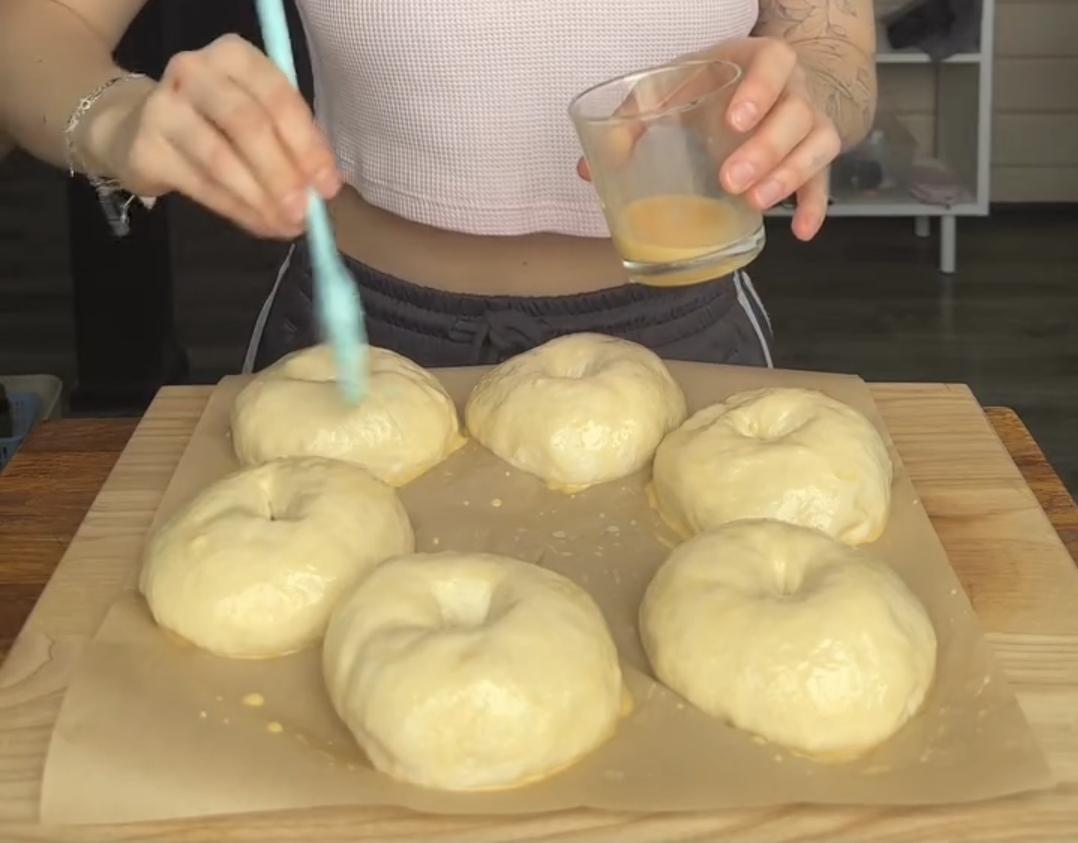
Once the dough has fermented, divide it into 6 equal portions. Shape each piece into a tight smooth ball to build surface tension, then poke a hole in the center with your fingers and gently stretch into classic bagel shapes. Make sure the hole is slightly larger than desired since it will shrink during proofing and boiling. Let the shaped bagels rest and proof for 1.5 to 2 hours until slightly puffy and relaxed.
Step 4
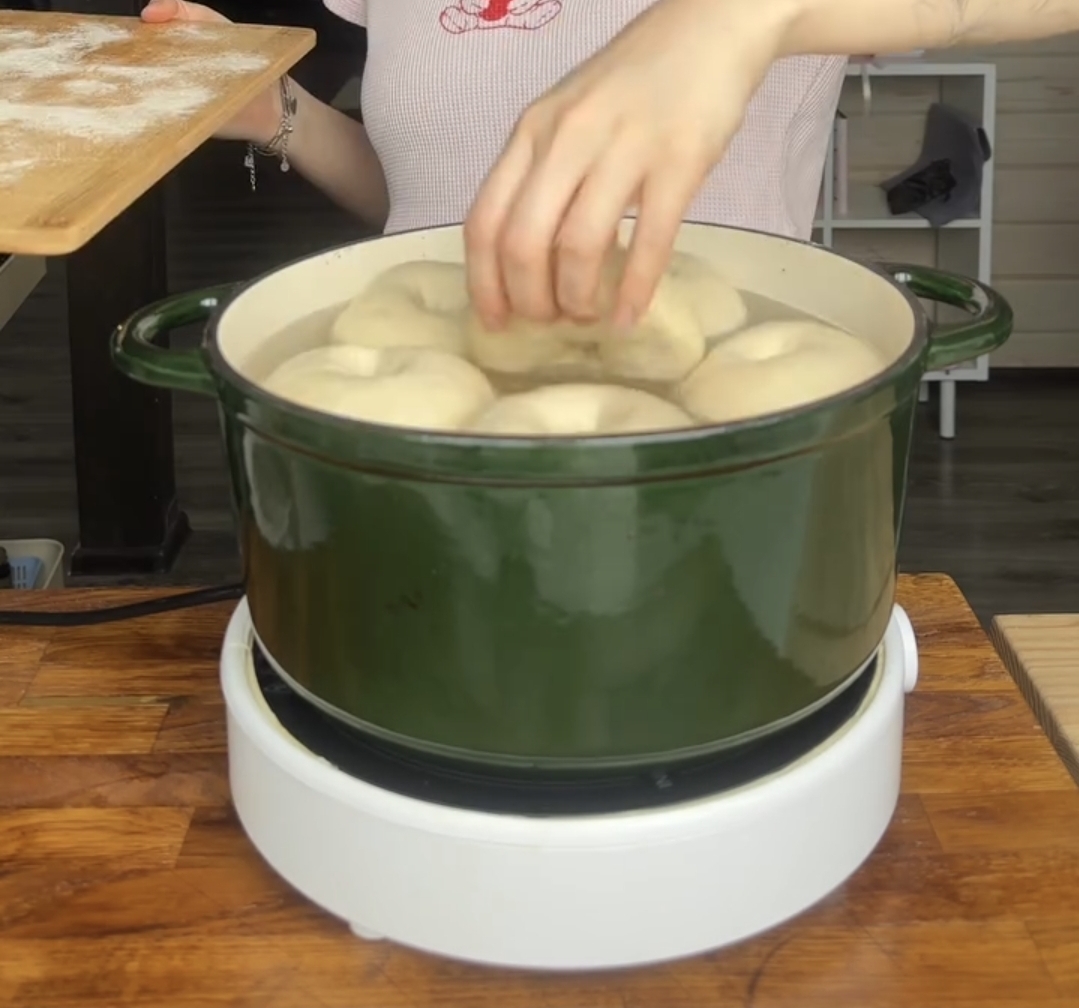
Bring a large pot of water to a boil and add baking soda and sugar to create the signature bagel bath. Carefully drop in the bagels and boil each one for 30 seconds per side. This step is essential for creating the chewy crust and glossy exterior that defines a true bagel while also helping them hold shape during baking.
Step 5
Preheat your oven to 200 to 220°C (390 to 430°F). Remove the boiled bagels and place them on a baking tray. Brush with a yolk and milk mixture for a golden shiny finish, then sprinkle with seeds or toppings of your choice.
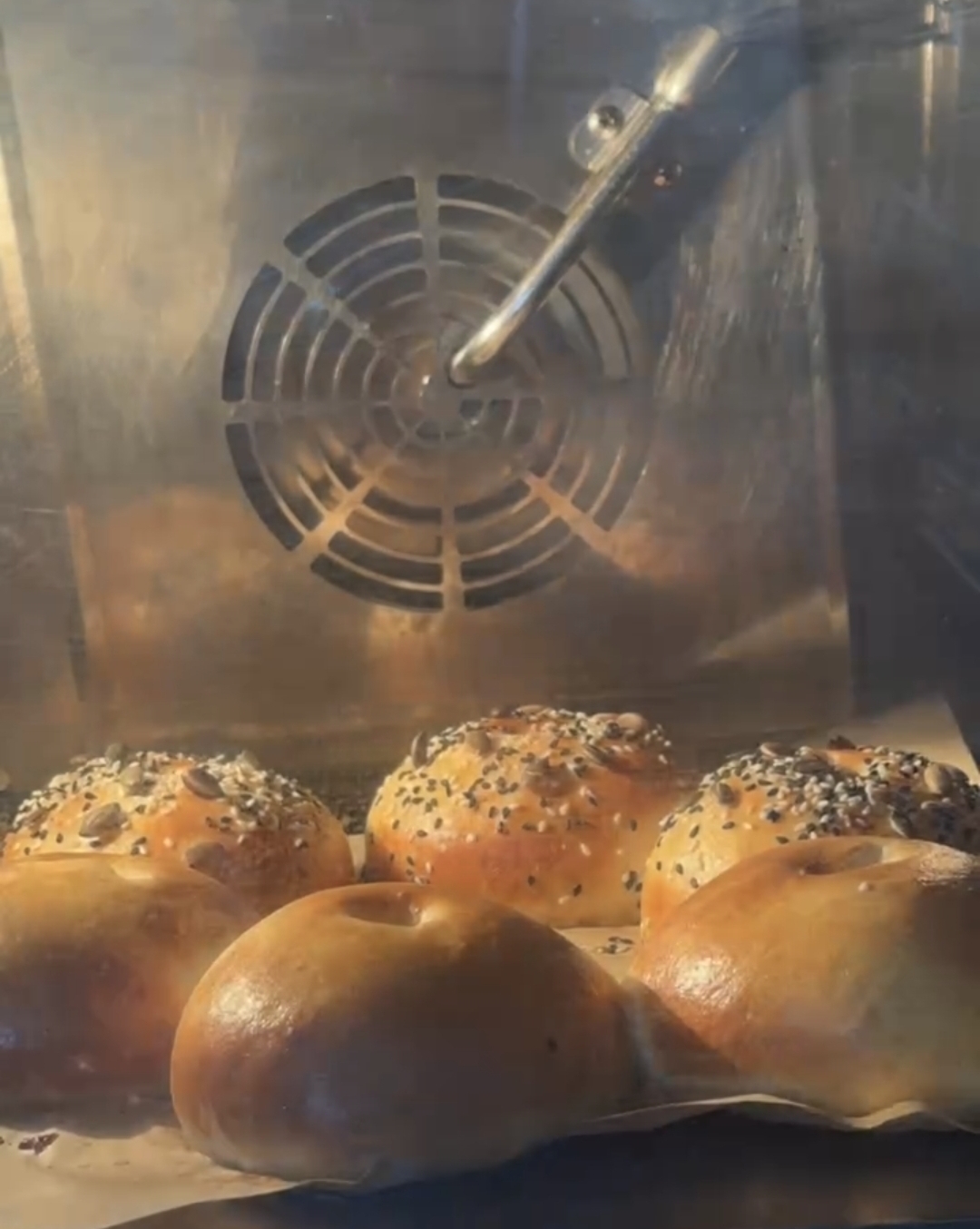
Bake for 18 to 25 minutes or until the bagels are deep golden brown and evenly cooked.
Notes
This sourdough bagel dough is best when the starter is active and bubbly, as it directly affects rise and flavor. If your kitchen is cooler than 23°C, fermentation may take longer, so watch the dough rather than the clock. It should look slightly puffy and feel lighter, not necessarily double in size.
The dough consistency should be smooth and elastic but still slightly firm since bagels are a low hydration dough. If it feels too sticky, resist adding too much flour and instead knead a little longer so the gluten can develop properly.
Cold proofing the shaped bagels overnight is optional but highly recommended because it improves flavor, makes boiling easier, and gives a better chewy texture.
The boiling step is what defines a real bagel. A shorter boil gives a lighter crust while a longer boil creates a thicker chewier exterior, so you can adjust based on preference.
Baking time and temperature may vary slightly depending on your oven, so look for a deep golden color as the best indicator of doneness rather than only relying on time.
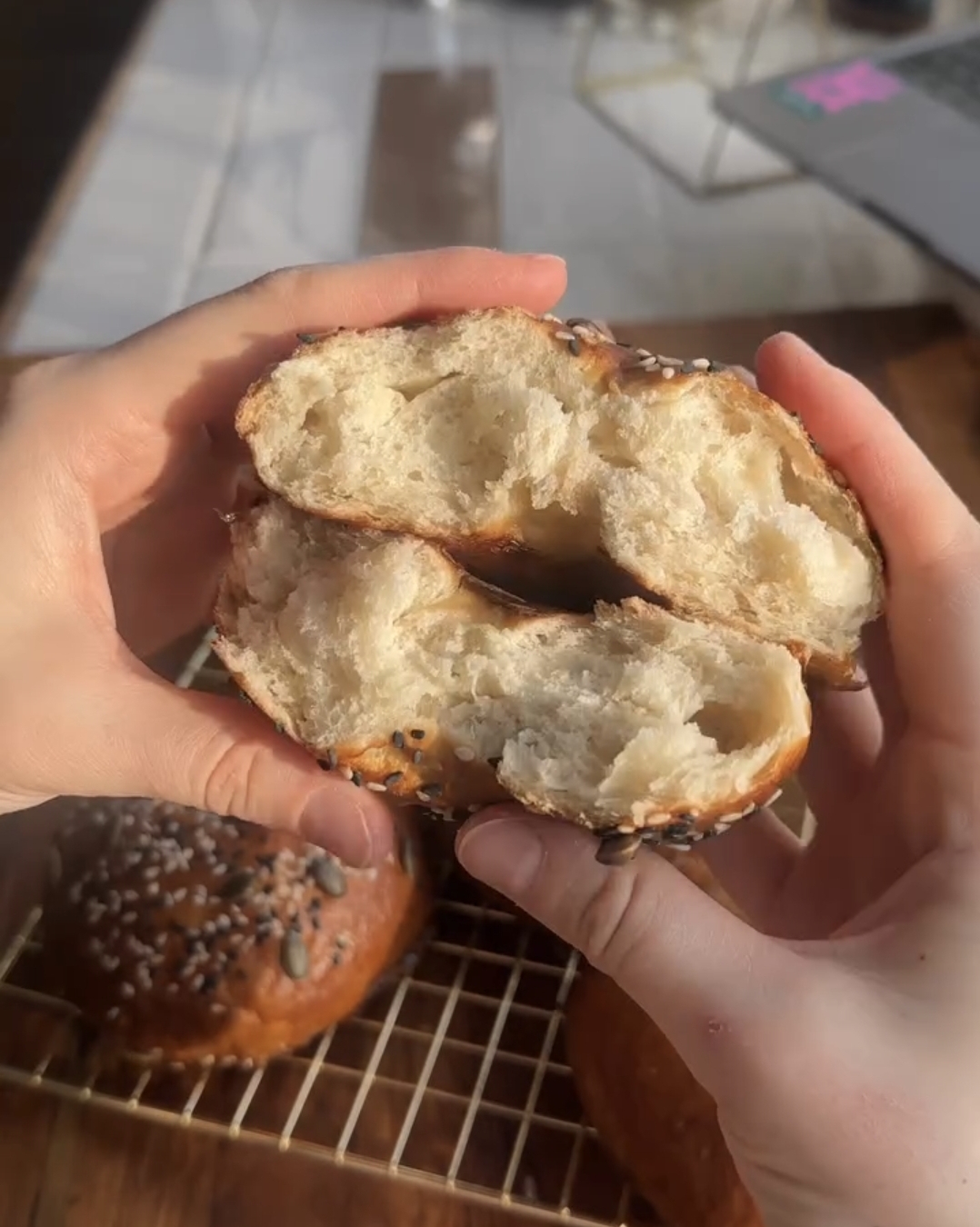
Letting the bagels cool before cutting is important because the crumb is still setting inside right after baking and slicing too early can make the texture gummy.
Nutrition Information:
Serving Size:
6Amount Per Serving:Calories: 250kcalSodium: 280mgCarbohydrates: 55gSugar: 7gProtein: 9g
What Might Go Wrong and How to Fix It
🥯 Weak rise or dense bagels
One of the most common problems is bagels turning out dense or not rising properly. This usually happens when the sourdough starter is not active enough or is used before it reaches peak strength. A weak starter cannot produce enough gas to lift the dough which results in heavy bagels. Another reason can be under fermentation where the dough simply did not get enough time to develop structure and air. To fix this always use a bubbly active starter that has doubled in size and passes the float test. Also make sure bulk fermentation happens in a warm stable environment around 23 to 25°C and give it enough time until the dough looks visibly puffy and lighter.
🥣 Sticky or dry dough issues
Dough texture problems are very common in sourdough baking. Sticky dough usually happens early in mixing or when hydration is slightly high. This does not always mean something is wrong because sourdough dough becomes smoother as gluten develops. Instead of adding too much flour continue kneading and allow time for the dough to strengthen naturally. If the dough feels too dry or stiff it means hydration is too low or flour is very strong. Fix this by adding small amounts of water gradually while kneading until the dough becomes soft elastic and slightly tacky but workable.
Variations
You can change this sourdough bagels recipe to match your taste. For savory bagels, add sesame seeds, poppy seeds, onion flakes, garlic, or everything seasoning. You can also mix herbs, cheese, jalapeños, or spices into the dough for stronger flavor. For sweet versions, use cinnamon sugar, raisins, chocolate chips, or dried fruits. All variations use the same base recipe, so texture stays chewy and soft while flavor changes.
Substitutions
You can use all purpose flour if you do not have bread flour, but the bagels will be less chewy. Replace brown sugar with white sugar, honey, or maple syrup based on taste. You can replace butter with oil or skip it for a leaner dough. You can also replace egg wash with milk or plant milk for a lighter finish. These changes still work in this sourdough bagels recipe but may slightly change texture and richness.
Common Mistakes
Using an inactive starter is the biggest mistake because it stops proper rise and creates dense bagels. Skipping fermentation time also reduces flavor and weakens structure. Over proofing makes bagels flat, while under proofing makes them tight and dense. Always include boiling because it creates the chewy crust. Adding too much flour during kneading makes bagels dry instead of soft.
Serving Suggestions
Serve this sourdough bagels recipe fresh with butter, cream cheese, jam, or nut butters. You can also make sandwiches with eggs, cheese, avocado, or vegetables. Toasting improves flavor and gives a crispy crust while keeping the inside soft. Bagels also pair well with soups and spreads for a full meal.
Storage
Store cooled bagels in an airtight container at room temperature for up to 2 days. Keep them in the fridge for up to 5 days if you need longer storage. You can also freeze them for up to 2 months. Freezing keeps texture better when you reheat them properly.
Reheating
Toast bagels lightly or warm them in the oven until soft again. If frozen, thaw first or toast directly. Sprinkle a little water before reheating to restore softness.
Extras
Add toppings after egg wash so they stick better during baking. Try flavored salts or seed mixes for variation. Let bagels cool fully before slicing to avoid a gummy texture inside. Adjust boiling time to control crust thickness and chew level.
FAQs
Why did my sourdough bagels not rise?
Your sourdough bagels did not rise because the starter was not active enough or the fermentation time was too short. Always use a bubbly starter that has doubled in size. Give the dough enough time to ferment in a warm place.
Can I make sourdough bagels overnight?
Yes, you can make sourdough bagels overnight. Place the shaped bagels in the fridge for slow fermentation. This improves flavor and makes the dough easier to handle.
Why do bagels need boiling?
Bagels need boiling to create their chewy crust and shiny surface. Boiling sets the outside of the dough before baking. This step locks the shape and improves texture.
Can I skip butter in this recipe?
Yes, you can skip butter in this sourdough bagels recipe. Butter adds softness and richness but is not required. The bagels will still work without it.
How do I know when bagels are done baking?
Bagels are done when they turn deep golden brown. Tap the bottom and it should sound slightly hollow. The crust should feel firm and crisp.