Ceremonial grade matcha whisked to a smooth paste and poured over cold oat milk and ice, the most photogenic and most wellness-aligned cold drink of the decade.
Introduction
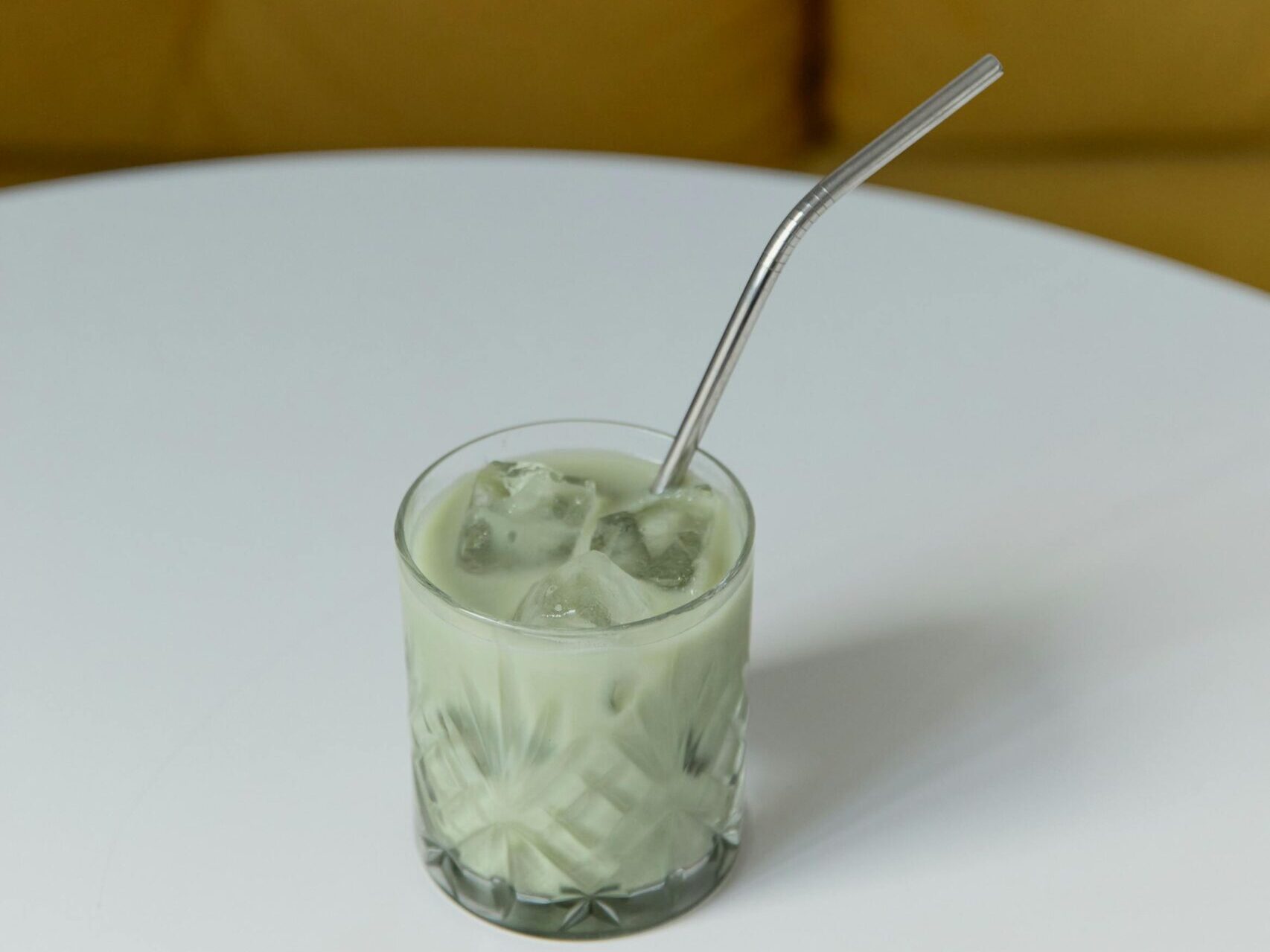
The iced matcha latte sits at the intersection of the wellness trend, the specialty drink culture, and the most-photographed beverages of the 2020s. Its vivid green colour against white milk and clear ice creates one of the most visually striking drinks available, and the flavour, simultaneously earthy, slightly bitter, grassy, and sweet from the milk, is one of the most distinctive in the cold drink world. It is the drink that signals something about the person drinking it: they care about antioxidants, about flavour, and about how things look on a table.
Matcha, finely ground green tea powder, is fundamentally different from brewed green tea. Where brewing extracts some compounds from tea leaves and discards the rest, matcha involves consuming the entire ground leaf, producing a beverage with exponentially more nutrients, more caffeine, and more flavour intensity than brewed tea. The combination of caffeine and L-theanine, an amino acid found in high concentrations in matcha, produces a focused, calm energy that many people describe as different in quality from coffee-induced alertness.
The preparation requires the matcha to be whisked with a small amount of hot water first to create a smooth paste before the cold milk is added. This step prevents clumping, which is the most common problem with matcha preparation. A proper bamboo whisk, a chasen, produces the smoothest result, but a small regular whisk or even a fork produces an acceptable paste.
History and Background
Matcha has been produced in Japan since the 12th century when Buddhist monk Eisai brought tea seeds and preparation methods from China and popularised tea drinking in Japan. The powdered tea ceremony preparation developed in Japan into the formal chado or way of tea tradition, one of the most codified aesthetic and philosophical practices in Japanese culture.
The export of matcha to Western markets began in earnest in the early 21st century as Japanese food culture became more widely appreciated globally and the wellness industry identified matcha’s exceptional antioxidant content as a marketing opportunity. Matcha lattes began appearing on Western cafe menus in the late 2000s and became mainstream by the mid-2010s.
The iced matcha latte became particularly prominent through Instagram and subsequently TikTok in the 2010s and 2020s due to its striking green colour, which photographs exceptionally well and has made it one of the most shared beverage images on social media globally.
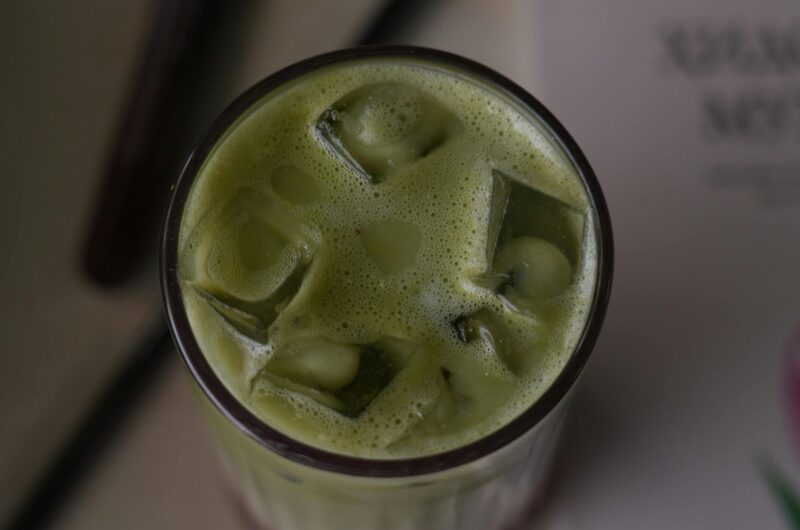
Iced Matcha Latte That Makes You Feel Like You Have Your Life Together
1
servings5
minutes100
kcalIngredients
2 tsp ceremonial grade matcha powder
2 tbsp hot water not boiling around 80C
1 tsp honey or simple syrup to sweeten
200ml cold oat milk or any milk
Lots of ice
Directions
- Sift matcha powder into a small bowl to remove any lumps.
- Add hot water at approximately 80C. Too hot water makes matcha bitter.
- Whisk vigorously in a zigzag motion until completely smooth with no lumps, about 30 seconds.
- Add honey or syrup and whisk briefly to incorporate.
- Fill a tall glass to the top with ice.
- Pour cold milk over the ice.
- Pour the matcha paste over the milk.
- Stir gently before drinking or serve layered for visual effect
Tips
- Use water at 80C not boiling. Boiling water makes matcha taste bitter and destroys some of its delicate flavour compounds. Let boiled water sit for 2 minutes before using.
Sifting the matcha before whisking is essential to prevent lumps. Even good quality matcha can clump and sifting takes 10 seconds.
Ceremonial grade matcha rather than culinary grade produces a dramatically better flavour in a drink. Culinary grade is designed for baking where it is mixed with other flavours.
The zigzag or W motion rather than circular stirring is more effective for dissolving matcha powder evenly.
Pour the matcha paste over the back of a spoon held just above the milk surface to create the layered green-on-white effect that makes this drink so photogenic.
Oat milk is the most popular pairing for matcha due to its slight sweetness and creaminess. Almond milk produces a thinner, nuttier result.
Unsweetened matcha over unsweetened milk with no added sugar produces the most authentic, most health-forward version.
Variations
Make a matcha lemonade by replacing the milk with cold lemonade for a refreshing, tangy alternative that is particularly popular in summer. Add vanilla syrup for a vanilla matcha latte. Make a coconut matcha latte using coconut milk for a tropical, slightly sweet version. Add a shot of espresso for a dirty matcha latte that combines coffee and matcha caffeine. Make a matcha coldbrew by mixing matcha powder directly with cold water and refrigerating for 2 hours without whisking for a slow cold extraction version.
Storage and Serving
Serve immediately after preparation. Matcha oxidises and loses its bright green colour within 20 to 30 minutes of preparation. The drink is at its most visually striking and most flavourful when freshly made. The matcha paste can be made 30 minutes ahead and refrigerated. Add milk and ice at serving time.
FAQs
Q: What is the difference between ceremonial and culinary grade matcha?
A: Ceremonial grade is made from younger leaves with more delicate flavour and brighter colour. Culinary grade is cheaper, more bitter, and designed for cooking where it is mixed with other flavours.
Q: Why does my matcha taste bitter?
A: Either the water was too hot, the matcha was low quality culinary grade, or too much matcha was used. Use 80C water and good quality ceremonial grade.
Q: Can I use a regular whisk instead of a chasen?
A: Yes. A small regular whisk, a milk frother, or even a fork can make a smooth matcha paste. A chasen is traditional and produces the finest texture.
Q: How much caffeine is in matcha?
A: One teaspoon of matcha contains approximately 35mg of caffeine. An iced matcha latte with 2 teaspoons contains about 70mg, comparable to a shot of espresso.
Q: Where do I buy good matcha?
A: Japanese supermarkets and specialty tea shops stock reliable ceremonial grade matcha. Online retailers including Japanese brands like Ippodo and Marukyu Koyamaen produce excellent matcha.