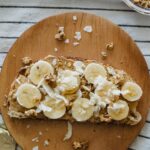
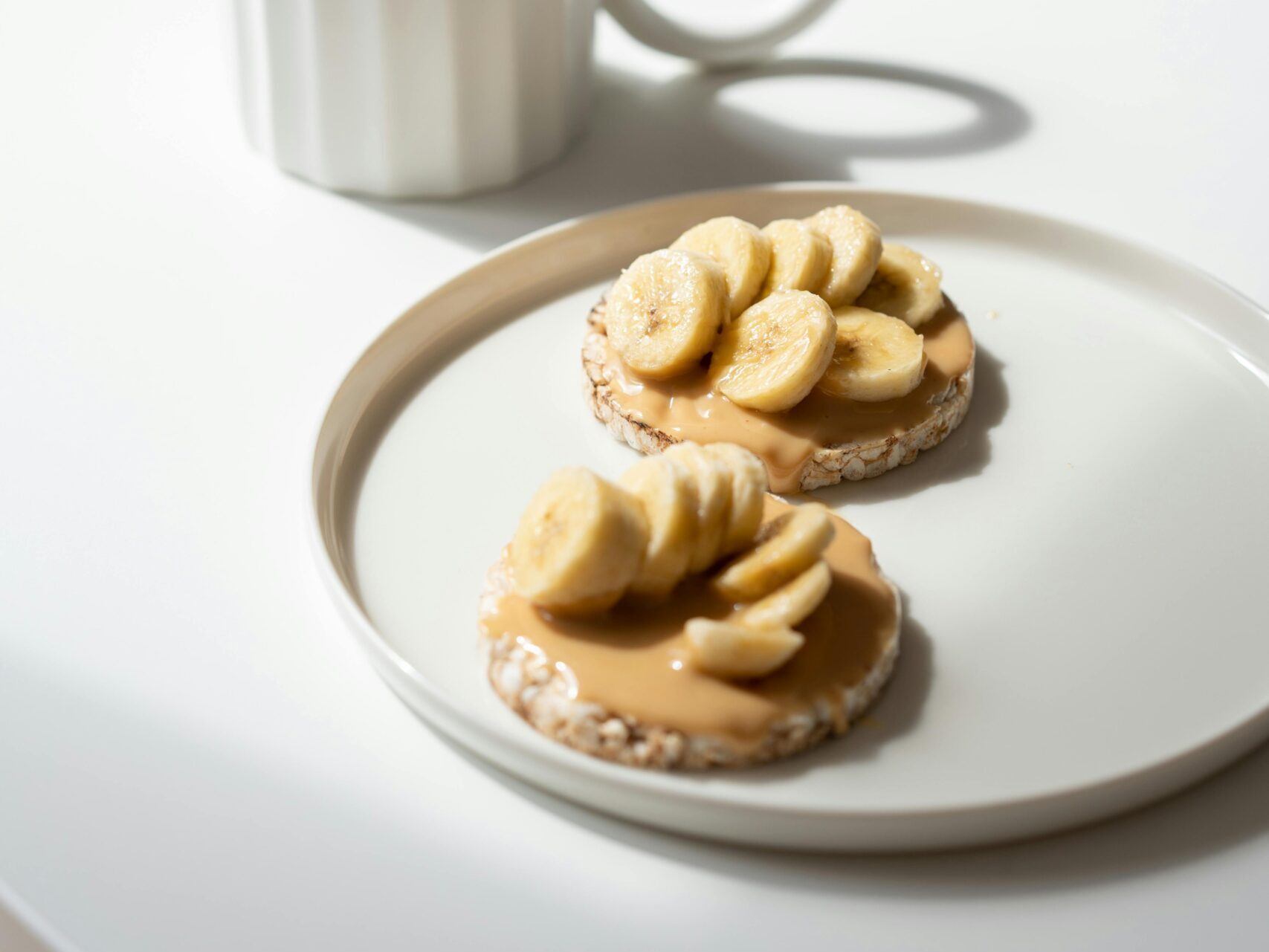
Crispy rice cakes topped with smooth peanut butter, sliced banana, honey, and dark chocolate, the highest protein low calorie snack that tastes far more indulgent than it is.
Introduction
Peanut butter banana rice cakes have become one of the most popular healthy snack formats in the high protein eating trend that has dominated food culture in the mid 2020s. The combination of a crispy, light rice cake base with the richness of peanut butter, the sweetness of ripe banana, and the contrast of dark chocolate creates a snack that feels genuinely indulgent while remaining moderate in calories and high in protein and fibre.
Rice cakes have experienced a significant image rehabilitation in recent years. Previously associated with diet culture and deprivation eating, they have been repositioned as a practical base for nutrient-dense toppings that turn them into a satisfying meal component rather than a sad substitute for real food. The key is treating the rice cake as a vehicle for flavour rather than as food in itself.
This snack requires no cooking, comes together in under five minutes, and provides a combination of complex carbohydrates, healthy fats, and protein that satisfies hunger for hours. It is the snack that nutritionists, fitness creators, and food bloggers all agree on, which is a rare alignment that speaks to its genuine quality.
History and Background
Rice cakes have been made in Asia for thousands of years in various forms, from Japanese mochi to Korean tteok to Chinese nian gao. The Western style puffed rice cake was developed in the United States in the 1980s as a low-calorie alternative to crackers and bread. They were initially marketed primarily to dieters and carried associations with restrictive eating that limited their appeal.
The rebranding of rice cakes as a platform for nutritious toppings began in earnest through fitness and nutrition social media in the early 2020s. Influencers and nutritionists began sharing elaborate topped rice cake recipes that demonstrated the format’s versatility and palatability, and the format quickly spread through mainstream food culture.
The peanut butter and banana combination draws on one of the most beloved flavour pairings in American food culture, famously associated with Elvis Presley who reportedly ate peanut butter and banana sandwiches regularly. The rice cake version provides the same flavour satisfaction with significantly fewer calories.
Peanut Butter Banana Rice Cakes
Course: Cake, Snacks1
servings5
minutes290
kcalIngredients
2 plain rice cakes
2 tbsp smooth or crunchy peanut butter
1 ripe banana sliced
1 tsp honey
Small handful of dark chocolate chips or grated dark chocolate
Pinch of flaky salt
Optional: pinch of cinnamon
Directions
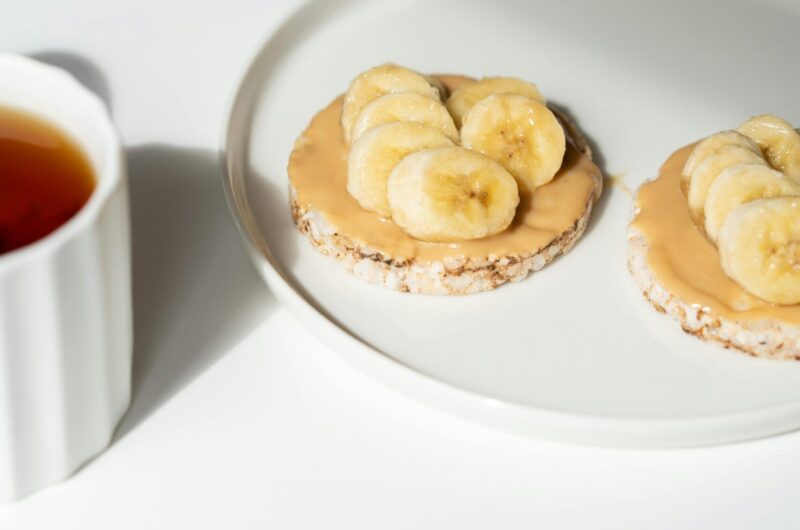
- Lay rice cakes flat on a plate.
- Spread one tablespoon of peanut butter evenly over each rice cake.
- Arrange banana slices over the peanut butter.
- Drizzle honey over the banana.
- Scatter dark chocolate chips or grated chocolate over the top.
- Add a pinch of flaky salt and cinnamon if using.
- Serve immediately.
Tips
- Use ripe bananas with some brown spots for the best flavour and natural sweetness. Underripe bananas are starchy and less sweet.
Natural peanut butter with no added sugar or palm oil produces a more intensely nutty flavour and a healthier nutritional profile than commercial smooth peanut butter.
The pinch of flaky salt over the sweet toppings is the detail that elevates this from a simple snack to something that tastes genuinely composed. Salt amplifies sweetness significantly.
Dark chocolate chips rather than milk chocolate provide bittersweet notes that complement the banana and peanut butter without adding too much sugar.
Spreading the peanut butter to the very edges of the rice cake prevents the toppings from sliding off as you eat.
For extra protein add a tablespoon of Greek yoghurt under the peanut butter layer or alongside as a dip.
If you find plain rice cakes too bland use lightly salted rice cakes which add a mild flavour base.
Variations
Replace peanut butter with almond butter, cashew butter, or sunflower seed butter for different nut flavours. Add a dollop of Greek yoghurt alongside the peanut butter for extra protein and tang. Replace banana with sliced strawberries and Nutella for a different fruit and chocolate combination. Make a savoury version with cream cheese, smoked salmon, capers, and dill. Top with cottage cheese, sliced mango, and toasted coconut for a tropical version. Add granola and berries over the peanut butter for a more textured, breakfast-style version.
Serving Suggestions
Peanut butter banana rice cakes are a standalone snack or light meal. Serve on a flat plate and eat immediately before the rice cake absorbs moisture from the toppings and softens. These are excellent as a pre-workout snack due to the combination of fast-releasing carbohydrates from the banana and rice cake and slower-releasing protein and fat from the peanut butter.
Storage
Rice cakes must be topped immediately before eating. They absorb moisture from toppings very quickly and become soft within minutes. Keep rice cakes in an airtight container at room temperature for up to their expiry date. Assemble fresh each time.
Frequently Asked Questions
- Are rice cakes actually healthy? Rice cakes alone are low in nutrition. Their value comes from the toppings they carry. Topped with peanut butter, fruit, and seeds they become a balanced snack with protein, healthy fats, and complex carbohydrates.
- Can I use Nutella instead of peanut butter? Yes, Nutella and banana on a rice cake is delicious. Nutella has more sugar and less protein than peanut butter but produces a more dessert-like result.
- What brand of rice cakes is best? Any plain or lightly salted puffed rice cake works. Quaker and Kallo are widely available options. Thinner rice cakes produce a crispier result.
- How do I stop the rice cake from going soft? Eat immediately after topping. The rice cake begins softening within 2 to 3 minutes of adding wet toppings.
- Can I make this with gluten-free requirements? Plain rice cakes are naturally gluten-free. Check the label to ensure they are certified gluten-free if required for a serious intolerance.