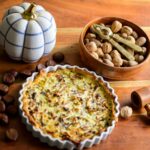
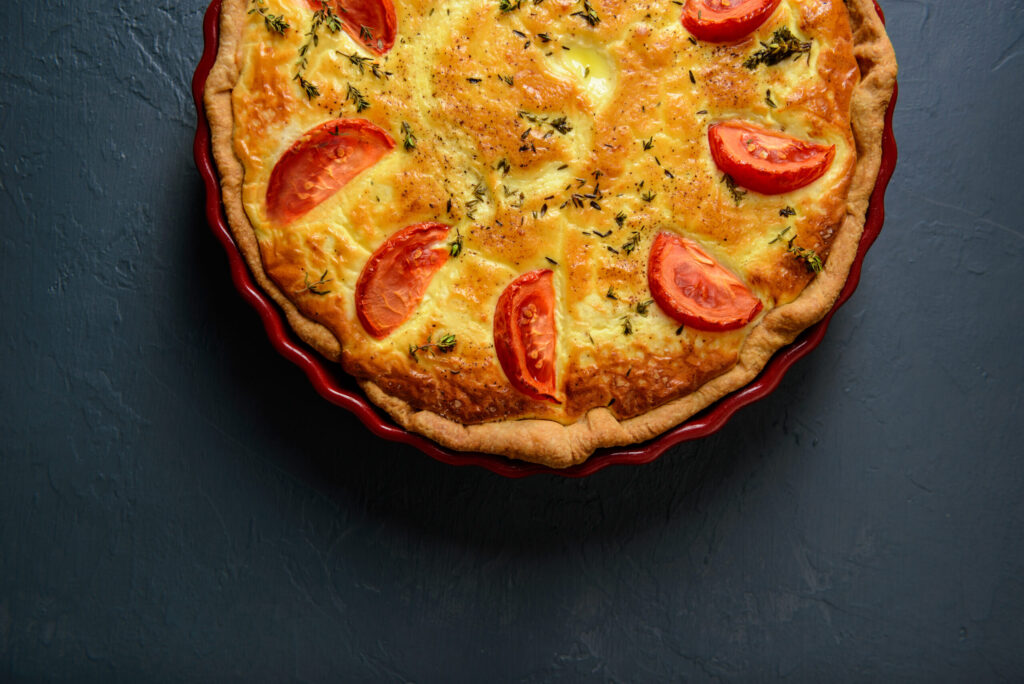
A rich, golden, slow-cooked onion and cream filling in a crisp pastry case with gruyere cheese and a hint of thyme, the most deeply satisfying savoury tart in the French regional baking tradition.
About This Recipe
French onion tart, or tarte a l’oignon from the Alsace region, is among the greatest savoury tarts in the European tradition. The filling is made almost entirely from onions, slowly caramelised until deeply golden and sweet, then combined with cream, eggs, and Gruyere cheese to produce a custard that is simultaneously rich, savoury, and deeply fragrant. It is a tart that rewards patience in the preparation and produces a result entirely disproportionate to the modesty of its ingredients.
The onion caramelisation is the step that most determines the quality of the finished tart. Sliced onions cooked slowly in butter for thirty to forty minutes until they are deeply golden, sweet, and reduced to a fraction of their original volume produce a filling with genuine depth and complexity. The same onions cooked at high heat for ten minutes produce a pale, sharp, slightly bitter filling that is in every way inferior. The long, slow cooking is non-negotiable.
The cheese is Gruyere, the nutty, slightly salty Swiss mountain cheese that melts smoothly and provides the characteristic flavour of this specific tart. Emmental is the acceptable alternative. Cheddar is too sharp and changes the character of the tart significantly. Gruyere grated and combined with the cream and egg custard produces a filling that is simultaneously creamy and cheesy without being heavy, with the long-cooked onions providing the sweetness and depth that makes the whole thing cohere.
History and Origins
The onion tart or tarte flambee has been made in the Alsace region of France since at least the medieval period, where the combination of slow-cooked onion with cream and cheese in a pastry case developed as a practical use for the abundant onion harvests of the region. The dish sits between France and Germany both geographically and culturally, and similar preparations exist across the border in the German and Swiss traditions. It remains one of the defining dishes of Alsatian regional cooking.
Why It Is Good For You
Onions are rich in quercetin, a flavonoid with anti-inflammatory and antioxidant properties, and fructooligosaccharides that act as prebiotic fibre feeding beneficial gut bacteria. The slow cooking actually increases the bioavailability of some of these compounds. Gruyere provides calcium and protein alongside its fat content.
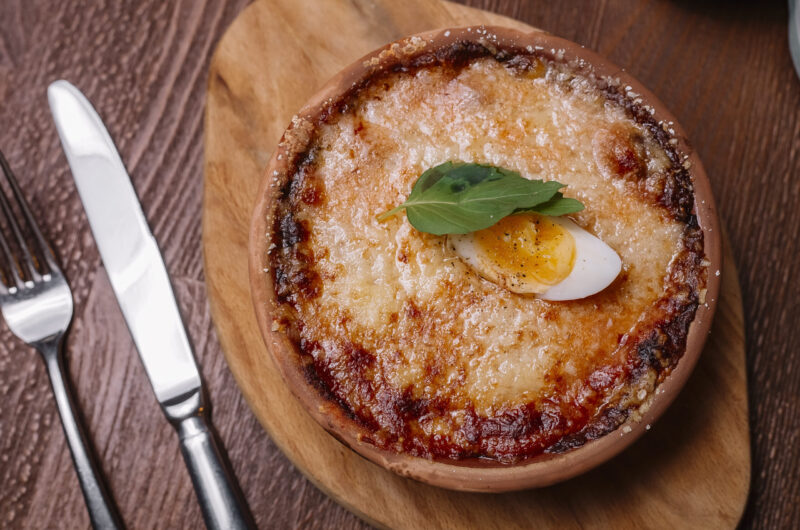
French Onion Tart
Course: Pie u0026amp; Tart6
servings15
minutes1
hour10
minutes2640
kcalIngredients
•tFor pastry: 200g plain flour, 100g cold butter, pinch of salt, 2 to 3 tbsp ice water
•tFor filling: 1kg onions thinly sliced, 60g unsalted butter, 3 large eggs, 200ml double cream, 150g Gruyere grated, 1 tsp fresh thyme, salt and black pepper
Directions
- Make pastry, blind bake in a 23cm tin at 190C for 15 minutes weighted then 5 minutes without. Cool.
- Melt butter in a large pan over very low heat. Add onions and a pinch of salt.
- Cook slowly stirring occasionally for 35 to 40 minutes until deeply golden and sweet.
- Cool for 10 minutes.
- Preheat oven to 180C.
- Whisk eggs and cream together. Add two thirds of the cheese and the thyme. Season well.
- Spread onions in the pastry case. Pour over egg and cream mixture.
- Top with remaining cheese.
- Bake for 25 to 30 minutes until golden and just set.
Notes
- The slow onion cooking cannot be rushed. Medium or high heat produces bitter, sharp onions without the sweetness that defines this tart.
Cool the onions for at least 10 minutes before adding the egg mixture. Very hot onions scramble the eggs.
The tart is done when the filling is just set with a slight wobble and the top is golden. Underbaking produces a wet filling.
This tart is excellent at room temperature and does not need to be served immediately from the oven.
Make Ahead Tips
The onions can be caramelised up to 3 days ahead and refrigerated. The blind baked pastry case keeps for 24 hours. Assemble and bake fresh. The baked tart keeps refrigerated for 3 days.
Storage and Serving
Refrigerate for up to 3 days. Reheat in a 170C oven for 10 minutes or serve at room temperature. This tart is excellent cold the next day. Freeze for up to 3 months. Serve with a simple green salad dressed with a sharp mustard vinaigrette.
Variations and Substitutions
Add sliced mushrooms to the onion filling for an earthier, more substantial version. Replace Gruyere with Emmental or a strong cheddar. Add a tablespoon of Dijon mustard spread over the pastry base before adding the onion filling. Make a caramelised onion and goat cheese version by replacing the Gruyere with crumbled goat cheese.