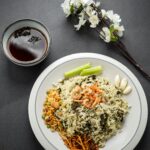
The ancient high-altitude sustenance of Tibet — roasted barley flour mixed into rich, salty yak butter tea to form a dense, nutty, warming porridge that has fuelled Himalayan life for over a thousand years.
About This Recipe
Tsampa is the most fundamental food of Tibetan culture — a preparation so basic, so ancient, and so deeply embedded in the daily and ceremonial life of the Tibetan people that it exists simultaneously as food, ritual object, and cultural identity. Made from roasted barley flour mixed with butter tea (po cha) — tea churned with yak butter and salt — it is one of the simplest foods in the world and one of the most nourishing in the specific context for which it was developed: extreme altitude, extreme cold, and extreme physical demand.
The flavour is unlike anything in Western food experience. The barley is deeply roasted before grinding — not just lightly toasted but carried to a dark, nutty, almost bitter point that is closer to coffee roasting than bread baking. This roasting serves two practical purposes: it extends shelf life significantly (roasted flour resists the mould and insects that attack raw flour) and it develops complex Maillard reaction compounds that make tsampa taste far more complex than its single-ingredient nature suggests. The resulting flour, mixed with the salty, fatty butter tea, produces a porridge that is simultaneously sweet from the roasted barley, salty from the tea, rich from the butter, and nutty-bitter from the roast — a combination that is addictive in a way that is hard to explain before you taste it.
This recipe adapts tsampa for the home kitchen using barley flour (roasted at home), regular salted butter, and strong black tea in place of yak butter tea — a practical compromise that captures approximately 80% of the experience. For maximum authenticity, find a Tibetan or Himalayan restaurant and try the real thing; for maximum nutritional benefit in a Western kitchen, this adaptation is a genuinely excellent, unusual, and deeply satisfying breakfast.
History & Origins
Tsampa has been eaten in Tibet for at least 3,000 years, with its origins tied to the domestication of barley on the Tibetan plateau — one of the earliest agricultural developments in the region. Barley’s ability to grow at altitudes above 4,000 metres where no other grain survives made it the foundation of Tibetan civilisation. Tsampa is used in Tibetan Buddhist ritual practice — scattered at ceremonies and festivals, offered at altars, shaped into ritual figures (torma) — and carries deep spiritual as well as practical significance. The Tibetan diaspora has spread tsampa across the world while maintaining its ceremonial importance.
Why It’s Healthy
Roasted barley is one of the most nutritionally dense whole grains. It is exceptionally high in beta-glucan — a soluble fibre that has been conclusively demonstrated in multiple clinical trials to reduce LDL cholesterol and improve blood glucose regulation. A single serving of barley provides more beta-glucan than oats. Barley is also rich in thiamine, niacin, phosphorus, and manganese. The roasting process does not diminish these nutritional properties. At altitude, the caloric density of butter makes tsampa ideal; at sea level, this recipe uses a modest quantity of butter to balance richness with health benefit.
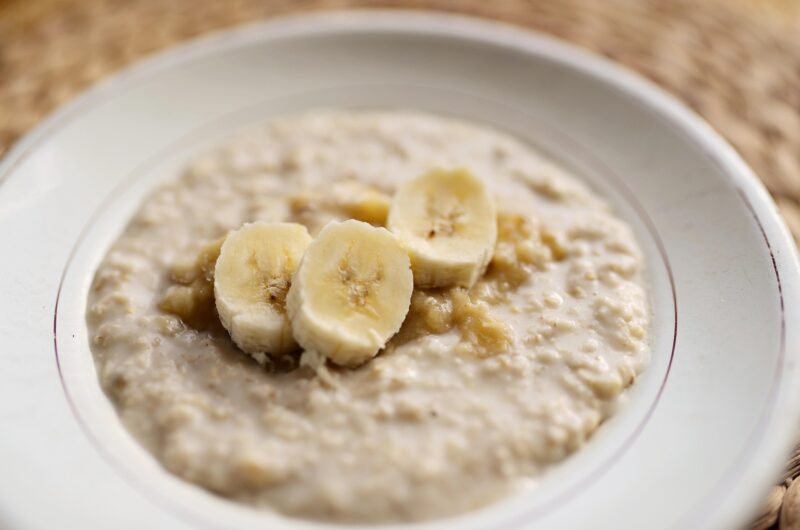
Tibetan Tsampa Porridge with Butter Tea
2
servings10
minutes15
minutes770
kcalIngredients
•t150g barley flour (or whole barley toasted and ground at home)
•t400ml strong black tea
•t2 tbsp salted butter (or yak butter if available)
•t0.5 tsp salt
•tOptional additions: 1 tbsp honey, 1 tbsp peanut butter, dried fruit, sesame seeds
•tFor home-roasting barley flour: 200g pearl barley, dry-toasted until deep golden and nutty
Directions
- If making your own roasted barley flour: toast pearl barley in a dry pan over medium heat for 8–10 minutes, stirring constantly, until deep golden and fragrant. Cool completely, then grind in a blender or spice grinder to a coarse flour.
- Brew strong black tea — twice the normal strength. Season with salt.
- Melt butter in a small pan. Add hot tea and whisk to combine.
- Place barley flour in a bowl. Gradually pour the buttered tea over it, stirring constantly with a spoon or working with your hands in the traditional way.
- Mix until the tsampa comes together into a thick, kneadable dough-like porridge — not too dry, not too wet.
- Shape into a loose ball or serve in a bowl. Add optional honey or peanut butter to taste.
- Eat immediately while warm — tsampa firms and becomes less pleasant as it cools.
Notes
- The traditional ratio is learned by feel — start with less tea and add more until the tsampa just holds together when pressed. It should not be wet or pourable.
- Barley flour is available at health food stores and online. Home-roasting is deeply worthwhile — the difference in flavour between pre-made barley flour and freshly roasted and ground is significant.
- In Tibet, tsampa is traditionally mixed in a wooden bowl using the right hand, working the flour and tea together in a circular kneading motion — this is the most efficient technique.
- Tsampa is traditionally eaten without sweetener — the salty-nutty balance is the authentic experience. Honey and peanut butter are Western adaptations that make it more approachable.
Make Ahead Tips
Roasted barley flour can be made in large batches and stored in an airtight container for up to 3 months at room temperature, or 6 months in the freezer — roasting extends shelf life significantly. The flour is used directly from storage without reheating. Tsampa itself is always made fresh at eating time — the preparation takes only 5 minutes once the flour is ready.
Storage & Serving
Tsampa is always made and eaten immediately — it does not store well as a prepared dish, becoming hard and unpalatable within an hour. The roasted barley flour, however, keeps for months. The versatility of the flour is one of tsampa’s great practical advantages — in Tibet it is also eaten dry with liquid separately, mixed into soup as a thickener, or formed into balls with dried cheese and meat as a portable trail food. Serve in a traditional wooden or ceramic bowl with a cup of strong salted butter tea on the side for dipping and sipping. If butter tea seems too adventurous, a strong black tea with a small amount of salt and a pat of butter stirred in is a more accessible approximation. A small dish of dried fruit — raisins, apricots, or dates — alongside adds sweetness and variety. Tsampa is breakfast food in Tibet, eaten before sunrise for work and travel.
Variations & Substitutions
Mix tsampa with yoghurt instead of butter tea for a tangier, creamier version that is popular in warmer months and lower altitudes in Nepal and Bhutan. Add a tablespoon of tahini or almond butter to the flour before adding the tea for a richer, nuttier result. A sweet version mixed with warm milk, honey, and a pinch of cardamom is essentially a Tibetan version of porridge that appeals immediately to Western palates. In Nepal, tsampa is sometimes mixed with chang (barley beer) to form a festival food called sattu.