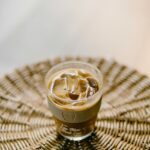
Strong spiced coffee sweetened with condensed milk and poured over ice, the intensely flavoured, orange-hued cold coffee drink from the streets of Bangkok that converts everyone who tries it.

Introduction
Thai iced coffee, known as oliang or kafae yen, is the cold coffee drink that most consistently surprises people who have not tried it. The coffee itself is a specific blend that includes roasted corn, sesame seeds, and sometimes cardamom alongside the coffee beans, producing a flavour that is simultaneously coffee-forward and spiced, with a depth and earthiness that pure coffee does not have. Combined with condensed milk and poured over ice the result is a drink of extraordinary character.
The specific coffee blend used for Thai iced coffee is available in Asian grocery stores under names like Pantai oliang powder or Café Brand coffee mix. It comes in a pre-mixed format that is simply brewed very strong and served over ice with condensed milk. Using this blend rather than substituting regular ground coffee produces the authentic flavour that cannot be fully replicated by other means.
The condensed milk in Thai iced coffee performs the same function as in Vietnamese iced coffee but the result tastes entirely different because of the coffee blend. Where Vietnamese iced coffee is intensely bitter-sweet, Thai iced coffee is warmer, earthier, and slightly spiced. Both are extraordinary. Both are among the best cold coffee drinks in the world.
History and Background
Coffee culture in Thailand developed through Chinese immigrant influence in the early 20th century, when Chinese coffee shops called kopitiam spread through Thai cities and established coffee drinking as a mainstream Thai practice. The oliang blend, with its mix of coffee and other roasted grains, developed in this kopitiam tradition as a practical and economical coffee product that stretched the coffee further with complementary ingredients.
The street food culture of Bangkok and other Thai cities embraced oliang as a standard offering alongside tea and other drinks, sold from carts and small shops particularly in the morning as a energising breakfast beverage. The cold version became particularly popular in Thailand’s year-round warm climate where iced drinks are consumed constantly.
Thai iced coffee spread internationally through the global expansion of Thai restaurant culture and through food tourism to Thailand, where it is one of the drinks visitors most frequently discover and subsequently seek to recreate at home.

Thai Iced Coffee
4
servings30
minutes40
minutes300
kcalIngredients
20g Thai oliang coffee powder or strong dark roast coffee
200ml boiling water
2 to 3 tbsp sweetened condensed milk
2 tbsp evaporated milk optional
Lots of ice
Directions
- Brew oliang coffee very strong using a drip filter, French press, or sock filter.
- For a sock filter: pour grounds into a cloth filter, pour boiling water through and collect the strong coffee below.
- Allow coffee to cool for 2 minutes.
- Place condensed milk in the bottom of a tall glass.
- Fill glass with ice.
- Pour strong coffee over the ice.
- Add evaporated milk on top if using.
- Stir before drinking to combine condensed milk with the coffee.
Tips
- Brew the coffee extremely strong. Thai iced coffee is made at almost double the strength of regular coffee to compensate for dilution from the ice and condensed milk.
Oliang powder is the authentic ingredient and produces the characteristic flavour. Regular dark roast coffee produces a similar but different result. Find oliang at any Asian grocery store.
Two tablespoons of condensed milk is the starting point. Thai street versions are typically very sweet. Adjust to your preference.
Adding evaporated milk on top creates a layered visual and adds a slightly different creaminess from the condensed milk at the bottom.
The sock filter, a traditional Thai cloth filter held over the glass, is the traditional brewing method and produces a particularly smooth result.
Stirring from the bottom before drinking is essential. The condensed milk settles at the bottom and produces an intensely sweet first sip if not incorporated.
Serve with extra condensed milk on the side in a small dish for those who want to sweeten more after tasting.
Variations
Add a shot of regular espresso alongside the oliang coffee for extra caffeine and coffee intensity. Replace condensed milk with coconut condensed milk for a dairy-free version with a tropical note. Make a Thai iced tea version using Thai tea powder alongside or instead of the coffee. Add cardamom pods to the brewing for extra spice. Make a blended version by combining all ingredients in a blender with ice for a Thai coffee frappe.
Storage and Serving
Serve immediately over plenty of ice in a tall glass. Thai iced coffee is at its best fresh when the coffee is still aromatic and the ice is not yet fully melted. This drink does not store. The brewed strong coffee can be made ahead and refrigerated for up to 24 hours.
FAQs
Q: Where do I buy oliang coffee powder?
A: Any Asian grocery store stocks oliang powder or Thai coffee mix. Online retailers also carry it. Pantai brand is widely available internationally.
Q: Can I make this without the oliang powder?
A: Yes, use a very strong dark roast coffee with a pinch of ground cardamom and ground sesame added for a partial approximation of the authentic flavour.
Q: Why is my drink not sweet enough?
A: Thai iced coffee is traditionally very sweet. Add more condensed milk. Thai street versions use significantly more condensed milk than most Western palates expect.
Q: What is evaporated milk and can I leave it out?
A: Evaporated milk is unsweetened tinned milk with a concentrated, slightly caramelised flavour. It is optional. Leaving it out produces a simpler, less layered drink.
Q: Can I use a regular coffee maker?
A: Yes, brew at double strength using twice the normal quantity of coffee grounds per cup of water.