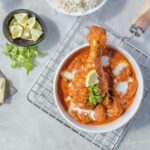
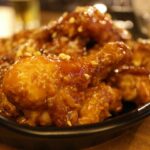
The iconic Taiwanese aromatic chicken braised in a trinity of sesame oil, soy sauce, and rice wine — intensely savoury, sticky-glazed, and finished with a cloud of fresh Thai basil that makes the entire kitchen smell extraordinary.
About This Recipe
Three-cup chicken is one of those dishes whose name perfectly describes the recipe: one cup of sesame oil, one cup of soy sauce, one cup of Shaoxing rice wine — the three cups that form the braising liquid. It is a preparation that sounds almost aggressively simple and that tastes profoundly complex, a function of the Maillard reactions in the chicken, the reduction of the three liquids into a sticky glaze, and the extraordinary aromatic contribution of the Thai basil that is added in enormous quantity at the very end of cooking.
The Thai basil is the ingredient that elevates this dish above its three-cup formula into something extraordinary. Unlike sweet basil, which wilts into a mild, slightly sweet herb, Thai basil contains higher concentrations of volatile aromatic compounds — particularly estragole and linalool — that are released explosively when the herb hits the hot, oil-based sauce. The result is a fragrance that fills the kitchen and transforms the dish, turning a savoury, sticky soy glaze into something simultaneously herbal, anise-like, and deeply fragrant. Use an amount that seems excessive — at least one large handful per serving, ideally more.
The chicken is cooked in a clay pot traditionally, which retains heat and produces an almost lacquered, sticky result as the sauce reduces at the table. A regular wok or heavy pan achieves nearly the same result if the cooking is done in batches and the heat is kept genuinely high. The chicken should be cooked bone-in for the best flavour — the marrow enriches the sauce during braising and the bones keep the meat moist and flavourful. Serve with plain rice that acts as a vehicle for the intensely flavoured sauce.
History & Origins
Three-cup chicken originated in Jiangxi province in mainland China, where it was traditionally made with the three cups measured in Chinese (about 240ml each). The dish was brought to Taiwan by mainland immigrants in the mid-20th century and adopted so thoroughly into Taiwanese food culture that it is now considered a signature Taiwanese dish. The Taiwanese version differs from the Jiangxi original in its use of the distinctively aromatic Thai basil (jiuceng ta) — a substitution that transformed the dish and is now considered essential. Three-cup dishes (with the same three-cup sauce) are applied to tofu, seafood, and vegetables across Taiwanese cooking.
Why It’s Healthy
Chicken provides lean complete protein and B vitamins, with bone-in thighs offering the additional benefit of collagen released from the bones during cooking — collagen has documented benefits for joint health and skin elasticity. Sesame oil is rich in sesamol and sesamin, lignans with antioxidant and anti-inflammatory properties and documented cholesterol-lowering effects. The garlic and ginger in the dish provide allicin and gingerols respectively. Thai basil contains rosmarinic acid, eugenol, and ursolic acid — compounds with anti-inflammatory and antimicrobial properties studied in peer-reviewed literature.
The iconic Taiwanese aromatic chicken braised in a trinity of sesame oil, soy sauce, and rice wine — intensely savoury, sticky-glazed, and finished with a cloud of fresh Thai basil that makes the entire kitchen smell extraordinary.
About This Recipe
Three-cup chicken is one of those dishes whose name perfectly describes the recipe: one cup of sesame oil, one cup of soy sauce, one cup of Shaoxing rice wine — the three cups that form the braising liquid. It is a preparation that sounds almost aggressively simple and that tastes profoundly complex, a function of the Maillard reactions in the chicken, the reduction of the three liquids into a sticky glaze, and the extraordinary aromatic contribution of the Thai basil that is added in enormous quantity at the very end of cooking.
The Thai basil is the ingredient that elevates this dish above its three-cup formula into something extraordinary. Unlike sweet basil, which wilts into a mild, slightly sweet herb, Thai basil contains higher concentrations of volatile aromatic compounds — particularly estragole and linalool — that are released explosively when the herb hits the hot, oil-based sauce. The result is a fragrance that fills the kitchen and transforms the dish, turning a savoury, sticky soy glaze into something simultaneously herbal, anise-like, and deeply fragrant. Use an amount that seems excessive — at least one large handful per serving, ideally more.
The chicken is cooked in a clay pot traditionally, which retains heat and produces an almost lacquered, sticky result as the sauce reduces at the table. A regular wok or heavy pan achieves nearly the same result if the cooking is done in batches and the heat is kept genuinely high. The chicken should be cooked bone-in for the best flavour — the marrow enriches the sauce during braising and the bones keep the meat moist and flavourful. Serve with plain rice that acts as a vehicle for the intensely flavoured sauce.
History & Origins
Three-cup chicken originated in Jiangxi province in mainland China, where it was traditionally made with the three cups measured in Chinese (about 240ml each). The dish was brought to Taiwan by mainland immigrants in the mid-20th century and adopted so thoroughly into Taiwanese food culture that it is now considered a signature Taiwanese dish. The Taiwanese version differs from the Jiangxi original in its use of the distinctively aromatic Thai basil (jiuceng ta) — a substitution that transformed the dish and is now considered essential. Three-cup dishes (with the same three-cup sauce) are applied to tofu, seafood, and vegetables across Taiwanese cooking.
Why It’s Healthy
Chicken provides lean complete protein and B vitamins, with bone-in thighs offering the additional benefit of collagen released from the bones during cooking — collagen has documented benefits for joint health and skin elasticity. Sesame oil is rich in sesamol and sesamin, lignans with antioxidant and anti-inflammatory properties and documented cholesterol-lowering effects. The garlic and ginger in the dish provide allicin and gingerols respectively. Thai basil contains rosmarinic acid, eugenol, and ursolic acid — compounds with anti-inflammatory and antimicrobial properties studied in peer-reviewed literature.
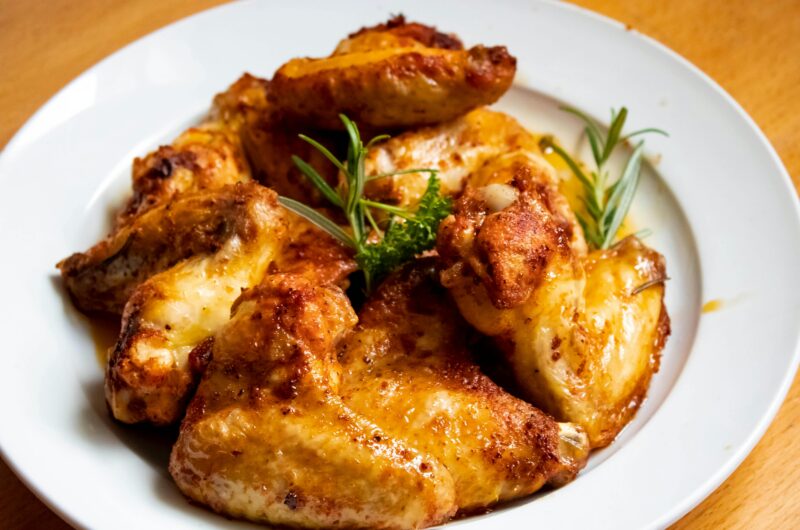
Taiwanese Three-Cup Chicken
Course: Chicken, Healthy2
servings25
minutes35
minutes790
kcalIngredients
•t600g chicken thighs, bone-in, skin on
•tLarge handful Thai basil leaves (at least 30g)
•t8 garlic cloves, smashed
•t4cm piece ginger, thickly sliced
•t4 dried red chillies (optional)
•t60ml toasted sesame oil
•t60ml soy sauce
•t60ml Shaoxing rice wine (or dry sherry)
•t1 tbsp sugar
•t1 tsp dark soy sauce (for colour)
•tSteamed rice to serve
Directions
- Cut chicken thighs into large pieces through the bone (or ask your butcher to do this).
- Heat sesame oil in a clay pot or heavy wok over high heat.
- Add garlic, ginger, and dried chillies. Stir-fry for 1 minute until fragrant.
- Add chicken pieces skin-side down. Cook without stirring for 3 minutes until golden.
- Flip and cook the other side for 2 minutes.
- Add Shaoxing wine, soy sauce, dark soy sauce, and sugar. Stir to coat.
- Reduce heat to medium-low, cover, and braise for 12–15 minutes until chicken is cooked through and sauce has reduced to a sticky glaze.
- Remove the lid, increase heat to high, and cook for 2 minutes to further caramelise the sauce.
- Remove from heat. Add Thai basil in one large handful and toss through — the residual heat will wilt it perfectly.
- Serve immediately in the clay pot or dish with steamed rice.
Notes
- Use toasted (dark) sesame oil, not light sesame oil — the flavour is completely different and the dish depends on the deep, roasted quality.
Thai basil (jiuceng ta) is available at Asian supermarkets. Sweet basil is not a substitute — the flavour profile is too different.
The sauce should reduce to a glossy, sticky glaze that coats the chicken — if it looks watery after the covered cooking, remove the lid and reduce on high heat.
Bone-in chicken provides significantly more flavour than boneless — the collagen and marrow from the bones enrich the sauce. Do not use boneless thighs
Make Ahead Tips
Three-cup chicken is best made and eaten immediately — the Thai basil wilts and loses its aromatic quality within 30 minutes of being added. The chicken can be marinated in the three sauces for up to 4 hours in the fridge before cooking, which deepens the flavour. The dish takes only 25 minutes from start to finish, making advance preparation less necessary than for more complex recipes.
Storage & Serving
Three-cup chicken keeps in the fridge for up to 3 days. The Thai basil will have wilted and lost its vibrant colour on storage, but the flavour remains in the sauce. Reheat in a wok or pan over medium-high heat with a splash of water to prevent sticking. Add a fresh handful of Thai basil when reheating to restore the aromatic quality. The dish does not freeze well — the chicken texture changes significantly and the basil flavour disappears. Serve in the clay pot or wok placed directly on a trivet at the centre of the table, with a large bowl of plain steamed rice alongside. Each person scoops rice into their bowl and ladles the sticky, aromatic chicken over the top, allowing the sauce to pool in the rice. A simple cold cucumber salad dressed with rice vinegar and sesame oil provides refreshing contrast to the richness and heat of the chicken. Cold Taiwanese beer (Taiwan Beer or Tsingtao) is the traditional accompaniment.
Variations & Substitutions
Three-cup tofu follows exactly the same technique with extra-firm tofu — press well, fry until golden, then braise in the three-cup sauce. It is one of the best tofu dishes in any cuisine. Three-cup squid is a popular Taiwanese seafood adaptation — add cleaned squid rings in the final 3 minutes only, as they cook very quickly. A spicier version adds a tablespoon of doubanjiang to the sauce base. For a lighter result, use chicken breast cut into large chunks and reduce the cooking time to avoid drying out the meat.