Classic tomato, mozzarella, and fresh basil pizza cooked in a frying pan on the stovetop in under 15 minutes
Introduction
There are moments when a pizza craving arrives and the oven feels like an impossible commitment. Preheating alone takes twenty minutes. The stovetop margherita pizza exists for exactly those moments. Made in a standard frying pan on any hob, it produces a pizza with a genuinely crispy base, bubbling melted mozzarella, and bright tomato sauce in under fifteen minutes from start to eating.
The stovetop method works because a hot pan creates direct contact heat that crisps the base faster and more effectively than most home ovens can manage. The lid traps the heat above the pizza and melts the cheese and warms the toppings without needing any overhead heat source. The result is a pizza with a golden, crispy bottom and a fully melted, slightly blistered top that is genuinely excellent.
This recipe uses ready-made pizza dough or a quick two-ingredient dough made from self-raising flour and yoghurt, both of which are easy to work with and produce excellent results in the pan format. The margherita topping, tomato sauce, mozzarella, and fresh basil, is the most classic and most photographed pizza in the world, and for good reason. It is perfectly balanced and completely satisfying.
History and Background
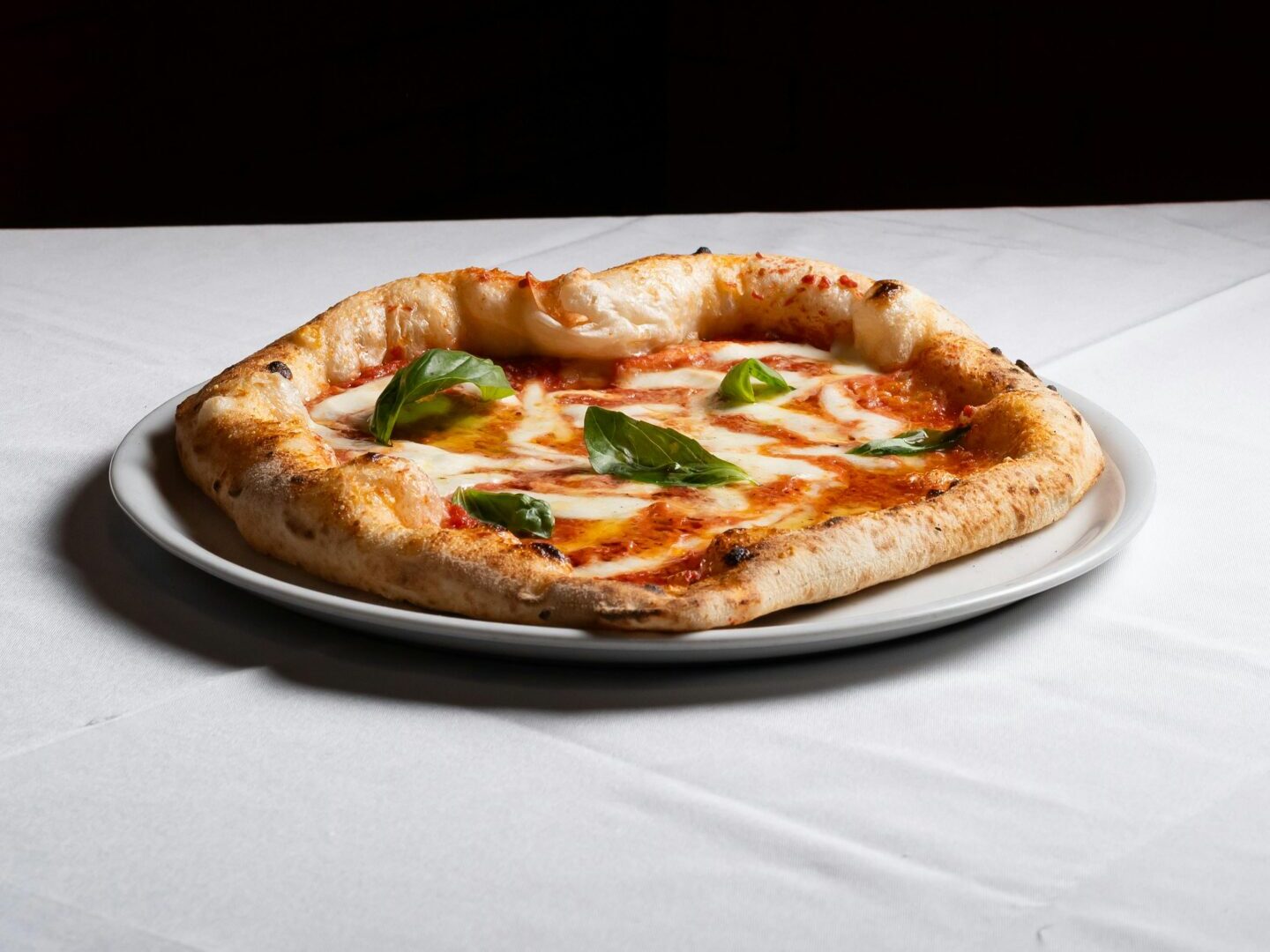
The margherita pizza was created in Naples, Italy in 1889 when pizzaiolo Raffaele Esposito made a pizza for Queen Margherita of Savoy. He created three versions and the queen’s favourite was the one topped with tomato, mozzarella, and basil, its colours representing the Italian flag of red, white, and green. The pizza was named in her honour and has been the benchmark of pizza making ever since.
Napolitan pizza has been granted UNESCO Intangible Cultural Heritage status, recognising the cultural significance of the craft and the recipe. Traditional Neapolitan pizza is cooked in a wood-fired oven at temperatures exceeding 450 degrees Celsius for no more than 90 seconds. The stovetop adaptation brings the essential flavours of this celebrated pizza into the home kitchen without any specialist equipment.
Homemade pizza without an oven became particularly popular during periods when home cooking increased and people sought creative solutions to restaurant-quality food. The frying pan method has been shared widely through food blogs and social media as one of the most practical and successful no-oven cooking techniques.
Stovetop Margherita Pizza
Course: No oven2
servings12
minutes10
minutes720
kcalIngredients
•tFor the dough: 200g self-raising flour
•tFor the dough: 150g plain Greek yoghurt
•tFor the dough: 0.5 tsp salt
•tFor the dough: 1 tbsp olive oil
•tFor the sauce: 4 tbsp passata or tinned crushed tomatoes
•tFor the sauce: 1 garlic clove minced
•tFor the sauce: 0.5 tsp dried oregano
•tFor the sauce: salt and pepper to taste
•tFor the topping: 125g fresh mozzarella ball torn into pieces
•tFor the topping: fresh basil leaves
•tFor the topping: drizzle of extra virgin olive oil
•tFor the topping: pinch of flaky salt
Directions
- Mix flour, yoghurt and salt together in a bowl until a soft dough forms. Knead for 2 minutes until smooth.
- Divide dough in half. Roll one portion on a floured surface to a circle slightly smaller than your pan, about 25cm.
- Mix passata with garlic, oregano, salt and pepper.
- Heat a 28cm non-stick frying pan or cast iron skillet over medium-high heat. Brush with olive oil.
- Lay the rolled dough in the hot pan. Cook for 3 to 4 minutes until the base is golden and bubbles form on the surface.
- Flip the dough. Reduce heat to medium.
- Spread tomato sauce over the cooked side. Scatter mozzarella pieces over the sauce.
- Cover the pan with a lid or large piece of foil.
- Cook for 4 to 5 minutes until the base is golden and the mozzarella has melted.
- Slide onto a board. Top with fresh basil leaves and a drizzle of olive oil. Season with flaky salt.
- Slice and serve immediately.
Tips for Best Results
- Use a lid or tightly fitted foil to trap heat over the top of the pizza. Without a cover the mozzarella will not melt properly as there is no overhead heat source.
Make sure the pan is properly hot before adding the dough. A cool pan produces a pale, soft base rather than a golden, crispy one. Test by flicking a drop of water into the pan. It should sizzle immediately.
Roll the dough thin, about 3 to 4mm. Thick dough takes too long to cook through in the pan and the base may burn before the centre is cooked.
Do not overload the pizza with sauce. A thin layer of sauce allows the base to stay crispy. Excess sauce makes the base soggy.
Tear the mozzarella into small pieces rather than slicing. Smaller pieces melt faster and distribute more evenly across the pizza surface.
The yoghurt dough comes together in minutes and requires no rising time. It is the ideal quick dough for this method. Alternatively use store-bought pizza dough or a flatbread base.
Add the fresh basil after cooking rather than during. Basil wilts and loses its fragrance when exposed to heat for extended periods.
Variations
Make a four-cheese stovetop pizza by replacing the mozzarella with a mixture of grated cheddar, torn mozzarella, crumbled gorgonzola, and grated parmesan for a rich, complex cheese experience. Create a spicy diavola version by adding sliced spicy salami and a drizzle of chilli oil over the cooked mozzarella. Make a vegetarian garden pizza with roasted red peppers from a jar, sliced black olives, and artichoke hearts added before covering with the lid. For a white pizza or pizza bianca replace the tomato sauce with a thin layer of cream cheese or ricotta mixed with garlic and lemon zest, topped with mozzarella and fresh herbs. Make a breakfast pizza using scrambled egg, bacon pieces, and cheddar instead of the standard toppings for a morning variation. Replace mozzarella with burrata dropped over the finished pizza for a more luxurious result.
Serving Suggestions
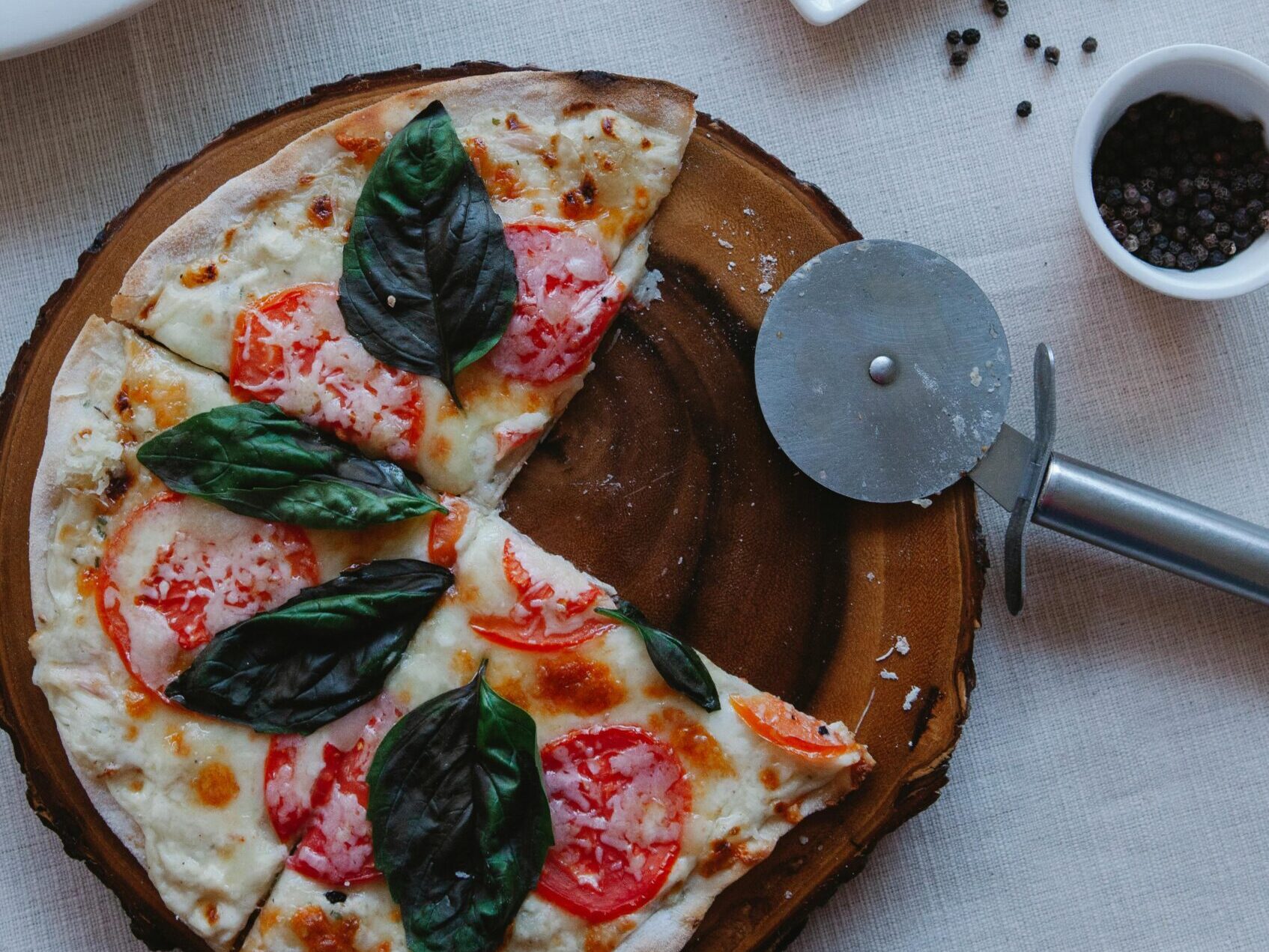
Stovetop margherita pizza is best served immediately while the base is still crispy and the mozzarella is still melted and slightly elastic. Slide the pizza onto a wooden board and slice with a pizza wheel or large sharp knife. Serve alongside a simple green salad dressed with lemon and olive oil for a complete meal. A cold glass of sparkling water with lemon or a glass of light Italian wine such as Pinot Grigio complements the fresh flavours perfectly. For a casual dinner setting cut the pizza into smaller pieces and serve as a shared starter with olives, cured meats, and marinated vegetables. Add a bowl of good quality olive oil with dried chilli for dipping the crust.
Storage
Stovetop pizza is best eaten immediately after cooking while the base is still crispy. Leftover pizza can be stored in the refrigerator in an airtight container for up to 2 days. To reheat, place slices back in a dry frying pan over medium heat for 3 to 4 minutes with a lid on. This restores the crispy base far more effectively than a microwave, which makes the crust soft and chewy. Do not microwave this pizza if you want to preserve the texture. The dough can be made up to 24 hours ahead and refrigerated wrapped in cling film. The tomato sauce keeps in the fridge for 5 days.
Frequently Asked Questions
- Can I use store-bought pizza dough? Yes, store-bought pizza dough works perfectly in this recipe. Remove it from the fridge 30 minutes before rolling to allow it to come to room temperature and become more pliable.
- What size pan should I use? A 28cm non-stick frying pan or cast iron skillet is ideal. The dough should be slightly smaller than the pan so it can be lifted and flipped easily.
- Can I make this without a lid? You can, but the mozzarella will not melt as effectively. Use a large piece of foil pressed over the top of the pan as an alternative to a lid.
- Why is my base not crispy? The pan was not hot enough before the dough was added. Always preheat the pan properly before adding the dough. Also make sure you are not adding too much sauce which makes the base soggy.
- Can I add toppings before flipping? No. Add all toppings after flipping to the cooked side. Adding them before flipping means the toppings would be on the base side and would burn.
Conclusion
Stovetop margherita pizza proves that the best pizzas do not require expensive equipment or a wood-fired oven. With a good frying pan, a simple dough, quality tomato sauce, and fresh mozzarella you can produce a pizza that is genuinely satisfying and genuinely delicious in under fifteen minutes. The method is forgiving, fast, and produces results that will surprise anyone who has not tried it before. The margherita remains the gold standard of pizza for good reason. Its simplicity demands quality in every component, and when those components are good the result is something greater than its parts. Once you have mastered the stovetop margherita the technique opens up to every topping combination imaginable. This is the recipe to learn first.