The clean, restorative Korean soybean sprout soup — a clear anchovy broth fragrant with sesame and garlic, loaded with crunchy bean sprouts — the traditional Korean hangover cure and everyday breakfast soup.
About This Recipe
Kongnamul guk occupies a quiet but essential place in Korean food culture — not the showstopper that bulgogi or bibimbap might be, but the everyday foundation, the bowl of soup that appears at virtually every Korean breakfast table and that provides a gentle, clean-tasting start to the day. It is a soup of deliberate simplicity, where the restraint of the preparation is the point rather than a limitation.
The defining ingredient is soybean sprouts — not mung bean sprouts, which are thinner and milder, but the fatter, more robust soybean sprouts (kongnamul) with their yellow heads and longer, crunchier stems. These sprouts have a distinctive nutty, slightly beany flavour that intensifies pleasantly during brief cooking and provides a satisfying crunch that persists even in hot broth. They are available at Korean and Asian grocery stores and are one of the most economical and nutritious vegetables in Korean cooking.
The critical technique with kongnamul guk is the lid — the pot must be kept tightly covered for the entire cooking time without being lifted. This is not superstition but chemistry: soybean sprouts contain a bean-like enzyme that is deactivated only by consistent high heat. If the lid is lifted and the temperature drops briefly, the enzyme activates and produces a characteristic unpleasant beany smell that cannot be remedied once developed. The covered cooking also ensures the sprouts remain tender-crisp rather than becoming soft and mushy. The finished soup, seasoned with fish sauce, garlic, and sesame oil, is exactly as clean and restorative as its simplicity suggests.
History & Origins
Soybean sprout cultivation in Korea dates to at least the Goryeo period (918–1392 CE), where kongnamul appears in historical records as a preserved winter vegetable. The cultivation of sprouts from dried soybeans was particularly important during harsh winters when fresh vegetables were unavailable — the ability to grow fresh sprouts indoors made them an essential winter food source. Kongnamul guk is documented in the Joseon dynasty royal court records and has been a constant presence in Korean cuisine across all social classes for over a thousand years. Its reputation as a hangover cure is documented in Korean literature from the Joseon period.
Why It’s Healthy
Soybean sprouts are one of the most nutritionally concentrated vegetables by weight. The sprouting process dramatically increases the bioavailability of nutrients already present in the soybean — vitamin C increases by up to 500% during sprouting (soybeans contain essentially no vitamin C, sprouts contain significant quantities), B vitamins increase substantially, and the anti-nutritional factors (phytic acid, trypsin inhibitors) that reduce mineral absorption in mature soybeans are largely neutralised. Soybean sprouts also contain significant isoflavones, folate, and manganese. The dried anchovy broth provides calcium, iodine, omega-3 fatty acids, and a broad spectrum of minerals. The entire soup provides exceptional nutrition at very low caloric cost.
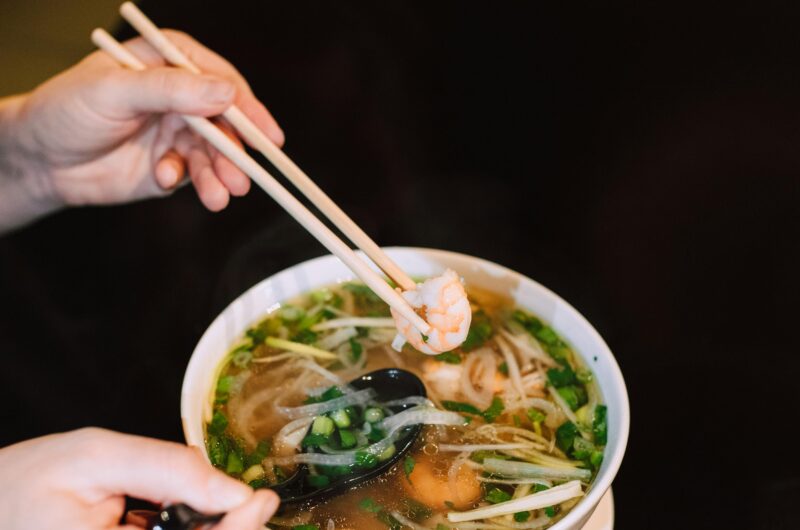
Soybean Sprout Soup
4
servings15
minutes20
minutes380
kcalIngredients
•t400g soybean sprouts (kongnamul), tails trimmed if preferred
•t1 litre water
•t20g dried anchovies (myeolchi), heads removed
•t5g dried kombu
•t4 garlic cloves, minced
•t2 tbsp fish sauce (or soy sauce for vegan)
•t1 tsp sesame oil
•t2 spring onions, thinly sliced
•t0.5 tsp gochugaru (Korean red pepper flakes), optional
•tSalt to taste
Directions
- Make broth: combine water, dried anchovies, and kombu in a pot. Bring to a boil over medium-high heat. Remove kombu after 5 minutes. Simmer anchovies for 5 more minutes, then strain. (For vegan, use plain water or kombu-only dashi.)
- Return strained broth to the pot and bring to a vigorous boil.
- Add soybean sprouts. Cover immediately with a tight lid.
- Cook covered on high heat for 7 minutes. Do not lift the lid during this time.
- After 7 minutes, add garlic, fish sauce, and gochugaru if using.
- Simmer covered for 2 more minutes.
- Remove from heat. Drizzle with sesame oil and scatter spring onions over.
- Serve immediately in bowls with steamed rice alongside.
Notes
- Do not lift the lid during cooking — this is the cardinal rule of kongnamul guk. The beany smell that results from interrupting the cooking cannot be fixed.
Soybean sprouts are available at Korean and Asian grocery stores. Mung bean sprouts are not a substitute — the flavour and texture are completely different.
The soup should be seasoned assertively — soybean sprouts can absorb a significant amount of salt before the broth tastes properly seasoned.
This soup is meant to be clean and clear, not rich — resist the temptation to add more ingredients. The simplicity is the beauty.
Make Ahead Tips
Kongnamul guk is one of the quickest soups in this collection — 20 minutes from start to finish — making it better suited to quick fresh preparation than advance cooking. The dried anchovy broth can be made up to 3 days in advance. The sprouts should always be cooked fresh — they lose their distinctive crunch on storage and the covered-cooking requirement means reheating produces an inferior result.
Storage & Serving
Kongnamul guk keeps in the fridge for up to 2 days, though the sprouts soften and lose their characteristic crunch. Reheat gently without boiling. The flavour remains good but the texture changes significantly on storage. For the best result, make the broth in advance and cook the sprouts fresh each time — the 7 minutes of cooking time makes this very practical. The dried anchovy broth freezes well for 2 months. Serve in bowls alongside steamed short-grain Korean rice (bap). In the Korean breakfast tradition, kongnamul guk is part of the set meal of rice, soup, and banchan (small side dishes) — alongside kimchi, a seasoned vegetable namul, and perhaps a fried egg. The soup provides gentle warmth and hydration at the start of the day. For hangover recovery, serve extra hot with a large bowl of rice — the electrolytes, amino acids, and hydration genuinely help.
Variations & Substitutions
Spicy kongnamul guk adds 1–2 tablespoons of gochujang dissolved into the broth for a completely different, fiery red version that is popular as a winter warming soup. A doenjang (fermented soybean paste) version adds 1 tablespoon of doenjang to the finished soup for an earthier, more complex flavour. Kongnamul bap is a variation where the sprouts are cooked directly with rice — the steam from the cooking rice cooks the sprouts simultaneously, producing a complete one-pot meal. Adding silken tofu cubed into the finished soup turns it into a more substantial meal.