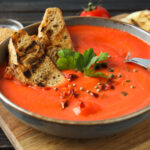
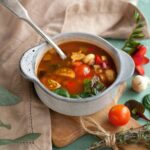
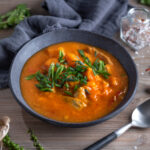
A thick Italian pasta and bean soup with rosemary, Parmesan rind, and olive oil — humble, nourishing, and deeply soul-warming.
There is a concept in Italian cooking called cucina povera — the cooking of the poor — which refers to the extraordinary dishes that emerged from peasant kitchens where ingredients were scarce and nothing was wasted. Pasta e Fagioli is perhaps the greatest example of this tradition. Made with dried pasta, canned beans, vegetables, and aromatics, it is one of the most satisfying and deeply comforting things you can eat, produced from ingredients that cost very little.
The dish exists in countless regional variations across Italy. In Naples it tends to be thick and stew-like with tubular pasta. In Venice it can be almost liquid with broken spaghetti. In Lazio it is often made with pork ribs or guanciale for added richness. This recipe follows a broadly central Italian approach — hearty, thick, with cannellini beans and a combination of whole and blended beans for a texture that is simultaneously smooth and chunky.
The secret weapon in this recipe is the Parmesan rind. Italian grandmothers have always added the rind left over from a block of Parmigiano Reggiano to soups and stews while they cook. As it simmers slowly it releases a remarkable depth of savoury, umami flavour into the broth that cannot be replicated any other way. Start saving your Parmesan rinds in the freezer — they are worth their weight in gold.
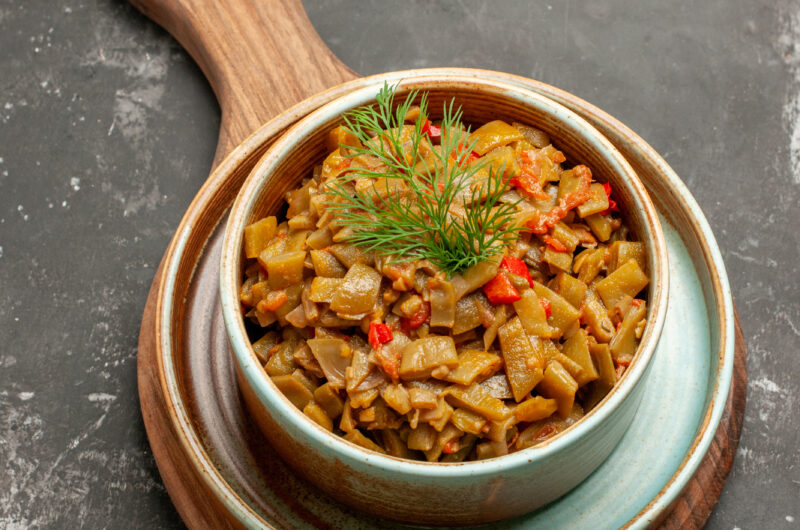
Pasta e Fagioli
Course: Uncategorized4
servings15
minutes40
minutes420
kcalIngredients
•t150g ditalini, small shells, or broken spaghetti
•t2 x 400g cans cannellini beans, drained and rinsed
•t1 large onion, finely diced
•t2 medium carrots, finely diced
•t2 celery stalks, finely diced
•t5 garlic cloves, minced
•t2 sprigs fresh rosemary
•t2 sprigs fresh thyme
•t1 bay leaf
•t1 Parmesan rind (approximately 10cm — save these in the freezer)
•t400g canned San Marzano tomatoes
•t1.2 litres good quality vegetable or chicken stock
•t4 tbsp extra virgin olive oil (plus extra to finish)
•tSalt and freshly cracked black pepper
•tExtra virgin olive oil and freshly grated Parmesan to serve
Directions
- Heat olive oil in a large heavy-bottomed pot over medium heat. Add the onion, carrot, and celery. Cook gently for 10-12 minutes, stirring occasionally, until completely softened and beginning to turn golden at the edges.
- Add the garlic and cook for a further 2 minutes until fragrant.
- Add the rosemary, thyme, and bay leaf. Stir for 1 minute to release their aroma.
- Add the tomatoes and crush roughly with a spoon. Cook for 5 minutes until the tomatoes have broken down slightly.
- Add one can of drained cannellini beans, the stock, and the Parmesan rind. Season generously with salt and pepper. Bring to a simmer, reduce heat to low, and cook for 20-25 minutes.
- Remove the herb sprigs, bay leaf, and Parmesan rind. Using a hand blender, partially blend the soup directly in the pot — you want roughly half the soup blended smooth and half left chunky. This creates a creamy texture while retaining the presence of whole beans and vegetables. Add the second can of beans at this point.
- Bring the soup back to a simmer. Add the pasta and cook for 8-12 minutes until just tender, stirring frequently to prevent sticking. The soup will thicken considerably as the pasta releases its starch.
- Taste and adjust seasoning generously. The soup should be thick enough that a spoon dragged through it leaves a trail, but not so thick it cannot be ladled. Add stock or water to adjust consistency.
- Serve in deep bowls drizzled generously with your best extra virgin olive oil and topped with freshly grated Parmesan and a final crack of black pepper.
Nutrition (per serving)
Calories: 420 kcal | Protein: 18g | Carbs: 62g | Fat: 10g | Fiber: 10g
Notes
- The Parmesan rind is the most important ingredient in this recipe after the beans. Start collecting them in a freezer bag whenever you finish a block of Parmesan. They keep for months and add extraordinary depth to soups and stews.
- Partial blending is the key to the right texture. Too much blending makes it smooth and monotonous. Too little leaves it too chunky. Aim for a creamy soup with visible whole beans.
- The soup thickens dramatically as it sits and even more so the next day as the pasta continues to absorb liquid. Always adjust consistency with stock or water when reheating.
- Cooking the pasta directly in the soup rather than separately is intentional — the starch it releases further thickens and enriches the soup.
- A good quality olive oil for finishing is not optional here — it is a fundamental part of the dish. Use your best bottle.
- This soup is even better the next day once the flavours have had time to deepen and develop overnight.
Storage
Pasta e Fagioli stores very well in the fridge for up to 4 days and the flavour improves significantly with time. Store in an airtight container. When reheating, the soup will have thickened considerably — add stock or water and stir gently over medium heat until loose and piping hot. The soup also freezes well for up to 3 months though the pasta texture changes on freezing — consider freezing the soup before adding the pasta and cooking fresh pasta when serving.
Serving Tips
Serve in deep, wide bowls with a generous drizzle of your best extra virgin olive oil, freshly grated Parmesan, and a crack of black pepper. Thick slices of grilled sourdough rubbed with garlic are essential — either for dipping or for crumbling into the soup. This is a complete meal in a bowl and needs nothing alongside it except good bread and good company. A medium-bodied red like a Montepulciano dAbruzzo or a simple Sangiovese is the ideal accompaniment on a cold evening.