A shot of espresso poured over sparkling tonic water and ice, unexpectedly extraordinary, refreshing and bitter and complex in a way that changes how you think about coffee.
Introduction
Espresso tonic is the cold coffee drink that sounds wrong and tastes extraordinary. The combination of a shot of espresso with cold sparkling tonic water appears counterintuitive, the bitterness of espresso with the bitterness of tonic water, but in practice the two bitternessess cancel each other out and the result is a drink of unexpected complexity and refreshment. The quinine in the tonic water reacts with the coffee compounds in a way that amplifies the fruity, floral notes of the espresso while the carbonation provides a lightness and refreshment that no still coffee drink can match.
The drink originated in the Scandinavian specialty coffee scene and spread through the global specialty coffee community during the 2010s before appearing on cafe menus worldwide. It became particularly associated with the third-wave coffee culture approach of treating espresso as a complex, flavour-forward ingredient to be explored in non-traditional formats.
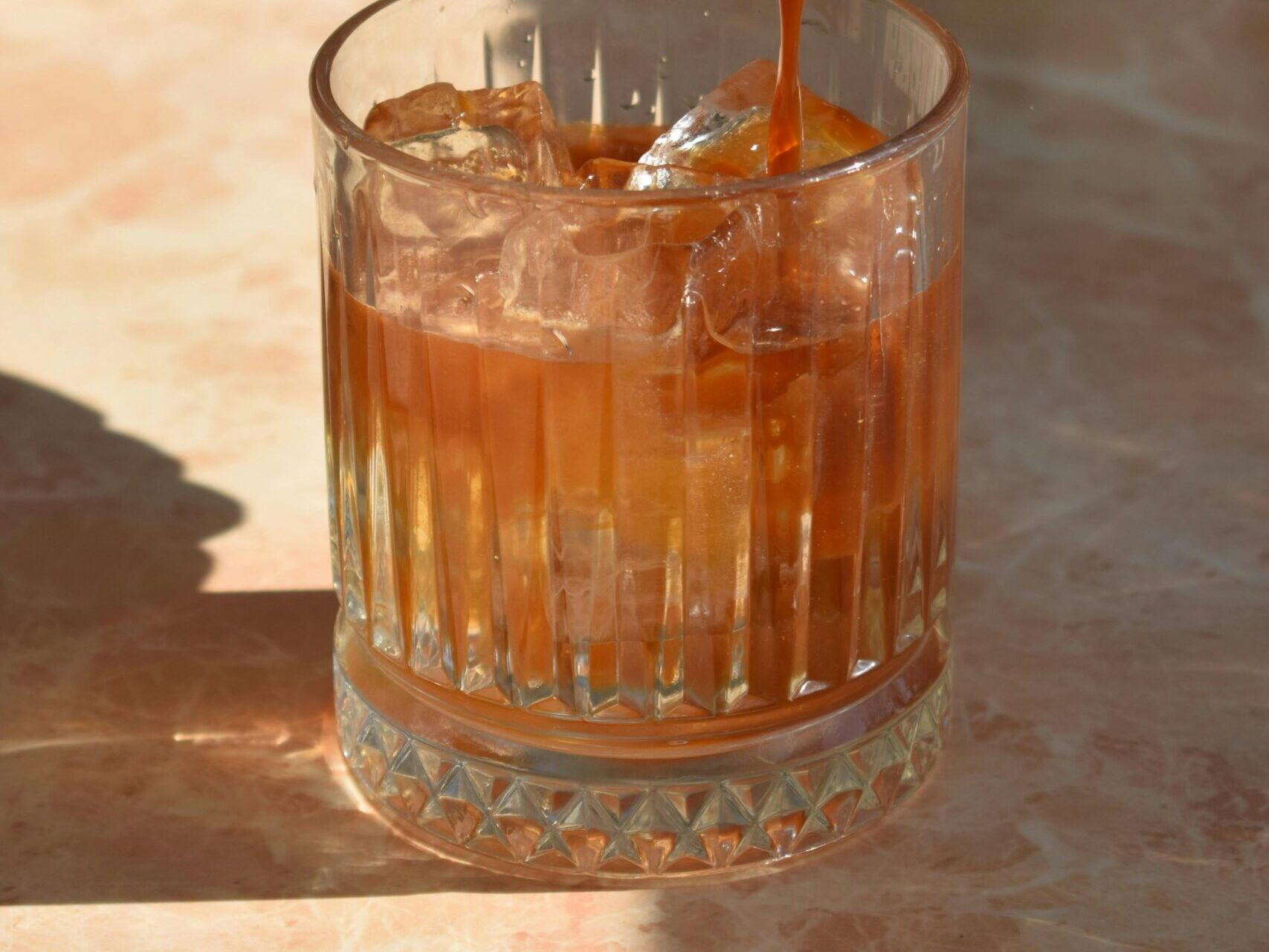
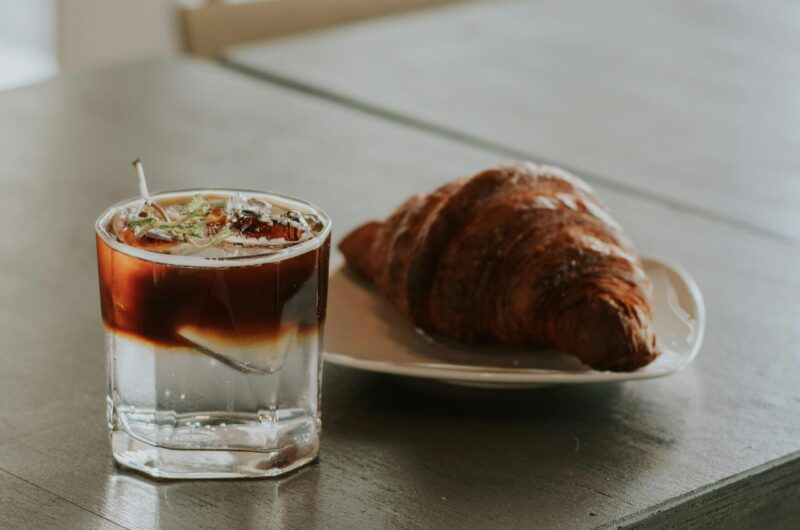
The visual of this drink is striking. When the dark espresso is poured over the clear, sparkling tonic it creates a dramatic swirling effect as the dense coffee liquid slowly mingles with the lighter carbonated water, producing a constantly changing visual that is one of the most dynamic and most photographed cold drinks in the specialty coffee world.
History and Background
Espresso tonic is credited to various Scandinavian coffee shops with Koppi cafe in Helsingborg, Sweden often cited as an originator or early populariser of the format. The drink emerged from the Nordic specialty coffee scene which is internationally recognised for its approach to coffee as a nuanced, flavour-complex beverage to be served and experienced with the same care as wine.
The drink spread through the global specialty coffee community from Scandinavia through the 2010s, appearing on menus of specialty coffee shops in London, Melbourne, New York, and Tokyo. Its adoption by mainstream cafe culture was slower than more conventional cold coffee formats but its distinctive character and photogenic qualities gave it strong staying power.
The espresso tonic represents a broader trend in specialty coffee toward exploring espresso in formats traditionally reserved for other beverages, including cocktails, and reflects the influence of bartending culture on coffee preparation and presentation.
Espresso Tonic
Course: Cold Coffee1
servings3
minutes20
kcalIngredients
1 to 2 shots espresso approximately 40 to 60ml
150ml good quality tonic water very cold
Ice
Optional: slice of lemon or orange
Optional: 1 tsp simple syrup if preferred sweeter
Directions
- Fill a short or tall glass with ice.
- Pour cold tonic water over the ice. Do not use warm tonic water as carbonation is essential.
- Pull espresso shots.
- Pour the hot espresso slowly and directly over the ice and tonic.
- Watch the cascading effect as the espresso sinks through the tonic.
- Add a slice of citrus if using.
- Serve immediately without stirring.
Tips
- Use good quality tonic water. Premium brands like Fever-Tree or Franklin and Sons produce a better flavour pairing with espresso than supermarket own-brand tonic. The quinine quality matters.
Pour the tonic first then the espresso. This order preserves the carbonation better and creates the visual of espresso cascading through the sparkling water.
Use a light to medium roast espresso. Fruity, floral single-origin espressos pair exceptionally well with tonic water. Heavy, dark roasts can produce a one-dimensional bitter result.
Very cold tonic is essential. Warm tonic loses carbonation quickly and the drink becomes flat.
Do not stir. The gradual mingling of espresso and tonic as you drink is part of the experience. Different sips at different ratios of coffee to tonic.
A slice of lemon or grapefruit over the rim reinforces the bitter, citrus notes that the tonic and espresso share.
This drink showcases the quality of the espresso more nakedly than almost any other preparation. Use the best coffee you have.
Variations
Use flavoured tonic water such as elderflower, citrus, or Mediterranean tonic for additional flavour dimensions. Add a splash of cold brew alongside the espresso for a more complex coffee flavour. Make a sparkling cold brew tonic by replacing espresso with cold brew concentrate. Add a slice of cucumber for a spa-like version. Replace tonic water with sparkling lemonade for a sweeter, more accessible version. Add a teaspoon of honey for a sweetened version.
Storage and Serving
Serve immediately as the carbonation begins diminishing within minutes. This is strictly a make-and-drink-instantly preparation. The visual of the espresso cascading through the tonic is the signature moment and is best appreciated immediately after pouring. There is no way to store this drink.
FAQs
Q: Why does espresso and tonic work together?
A: The quinine in tonic water amplifies certain compounds in espresso while the carbonation provides refreshment. The two bitternesses do not double up but rather complement and highlight different notes.
Q: Can I use cold brew instead of espresso?
A: Yes, cold brew concentrate poured over tonic produces a smoother, less acidic version. The visual cascade effect is less dramatic but the flavour is excellent.
Q: What tonic water is best?
A: Premium brands with natural quinine and no artificial flavours work best. Fever-Tree Indian Tonic is the most commonly recommended pairing for espresso.
Q: Should I add sugar?
A: The drink is intentionally bitter and complex. Start without sugar and assess. If it is too bitter add a teaspoon of simple syrup.
Q: Can I use any coffee roast?
A: Light to medium roast single-origin espressos pair best. The fruity, floral notes they contain are amplified by the tonic. Very dark roasts can taste harsh in this format.