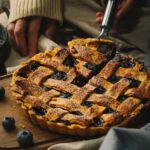
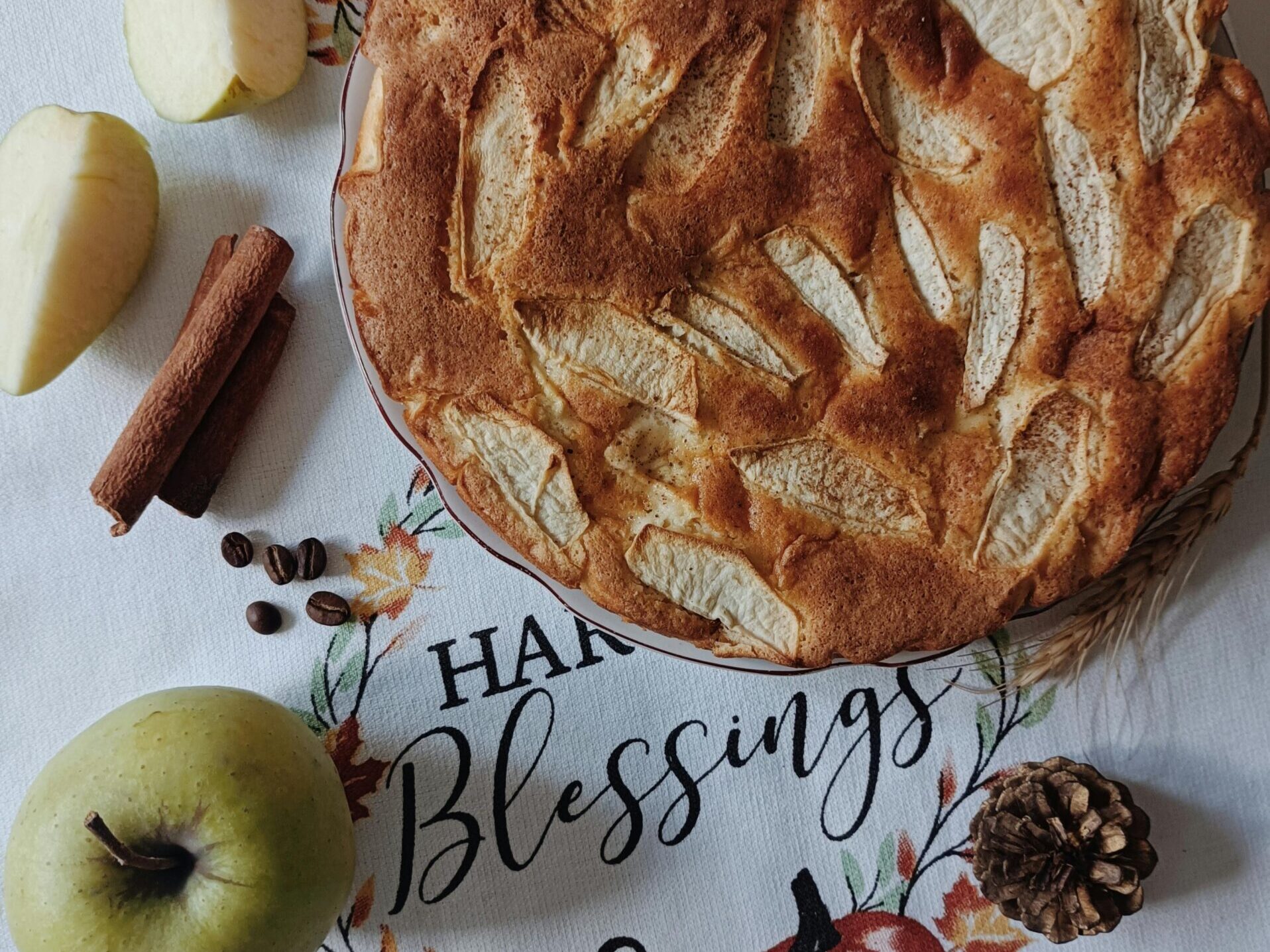
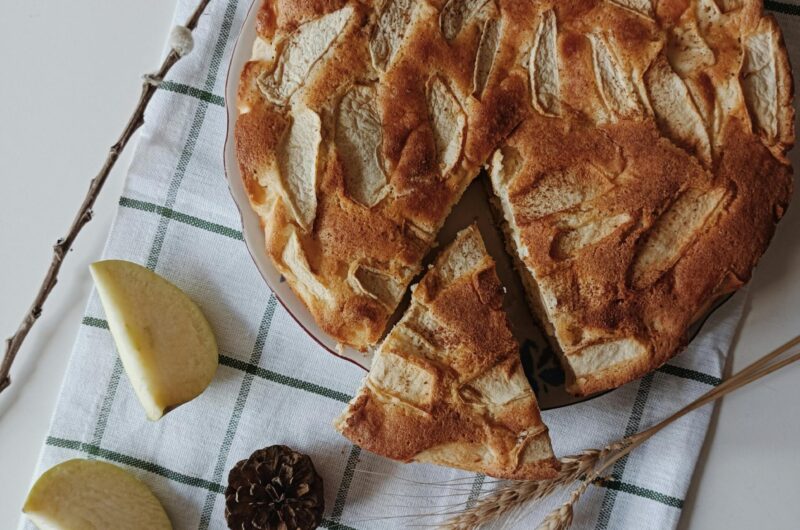
A golden, flaky double-crust apple pie packed with cinnamon-spiced tender apple slices and a buttery pastry that shatters beautifully when cut, the most iconic pie in the Western baking tradition.
About This Recipe
Apple pie is the pie against which all other pies are measured. Its reputation is so established, so embedded in the cultural identity of both Britain and America, that the phrase itself has become shorthand for everything wholesome and good about domestic baking. A properly made apple pie, with its golden, shatteringly crisp pastry and its sweet-tart, warmly spiced apple filling, fully deserves this status.
The pastry is the element that most separates a good apple pie from an excellent one. Cold butter, worked quickly into cold flour with cold hands or a food processor, produces a dough with visible flecks of butter that steam during baking and create the flaky, layered texture that defines good shortcrust pastry. The dough must be handled minimally and rested in the fridge before rolling to allow the gluten to relax. Overworked, warm dough produces a tough, shrinking pastry that is the most common failure in pie making.
The apple variety matters considerably. Bramley apples, the standard British cooking apple, break down during baking to produce a soft, jammy filling with excellent flavour but very little visible structure. A mixture of Bramley and Granny Smith, or Bramley and Cox, produces a filling with both the flavour complexity of a cooking apple and the structural integrity of an eating apple, with some pieces remaining intact alongside others that have dissolved to create a unified, saucy filling.
History and Origins
Apple pie has been made in Britain since at least the 14th century, with early recipes appearing in The Forme of Cury, a collection of recipes from the court of Richard II. These early pies used a pastry crust primarily as a cooking vessel rather than an edible component. The modern concept of apple pie as a sweet, edible-crust dessert developed through the 16th and 17th centuries. American apple pie culture was established through the 18th and 19th centuries as apple orchards became widespread across the eastern United States.
Why It Is Good For You
Apples provide pectin, a soluble fibre shown to reduce LDL cholesterol, alongside vitamin C and quercetin. Cinnamon has been studied for its potential to improve insulin sensitivity. A portion of apple pie made with whole grain flour provides meaningful fibre content.
Classic Apple Pie
8
servings30
minutes45
minutes3840
kcalIngredients
•tFor pastry: 350g plain flour, 175g cold unsalted butter cubed, 1 tsp salt, 2 tsp sugar, 6 to 8 tbsp ice cold water
•t1 egg beaten for egg wash
•tFor filling: 1.2kg mixed apples peeled cored and sliced
•t150g white sugar
•t2 tbsp plain flour
•t2 tsp cinnamon
•t0.5 tsp nutmeg
•t0.25 tsp allspice
•t1 tsp vanilla extract
•t1 tbsp lemon juice
•t30g unsalted butter cut into small pieces
Directions
- Make pastry: pulse flour, salt and sugar together. Add cold butter and pulse until mixture resembles breadcrumbs with pea-sized butter pieces.
- Add ice water a tablespoon at a time until dough just comes together. Divide into two discs. Wrap and refrigerate for 30 minutes.
- Toss sliced apples with sugar, flour, cinnamon, nutmeg, allspice, vanilla and lemon juice.
- Preheat oven to 200C. Roll one pastry disc to fit a 23cm pie dish. Line dish and trim edges.
- Fill with apple mixture. Dot with butter pieces.
- Roll second disc and place over filling. Crimp edges to seal. Cut steam vents. Brush with egg wash.
- Bake for 45 to 50 minutes until pastry is deep golden and filling bubbles through the vents.
- Cool for at least 30 minutes before slicing.
Notes
-
Keep everything cold. Cold butter, cold water, cold hands. Warmth is the enemy of flaky pastry.
The 30 minute chill before rolling is not optional. Unchilled dough tears and shrinks.
The filling will bubble and reduce during baking. This is correct and expected.
Cool for 30 minutes before cutting. Hot apple pie filling is liquid and produces a messy slice.
Make Ahead Tips
The pastry can be made up to 3 days ahead and refrigerated or frozen for 3 months. The apple filling can be made 24 hours ahead and refrigerated. Assemble and bake fresh. The baked pie keeps at room temperature for 2 days.
Storage and Serving
Store at room temperature covered for up to 2 days. Refrigerate for up to 4 days and reheat slices in a 160C oven for 10 minutes. Freeze baked pie for up to 3 months. Serve warm with vanilla ice cream, clotted cream, or custard.
Variations and Substitutions
Add a handful of dried cranberries or raisins to the filling. Replace half the white sugar with brown sugar for a deeper, more caramel-like sweetness. Add a tablespoon of bourbon to the filling. Make a Dutch apple pie by replacing the top crust with a brown sugar and oat streusel crumble.