Tall, golden, flaky scones packed with mature cheddar and fresh herbs, the most satisfying savoury quick bread for serving alongside soups, stews, or simply with butter.
About This Recipe
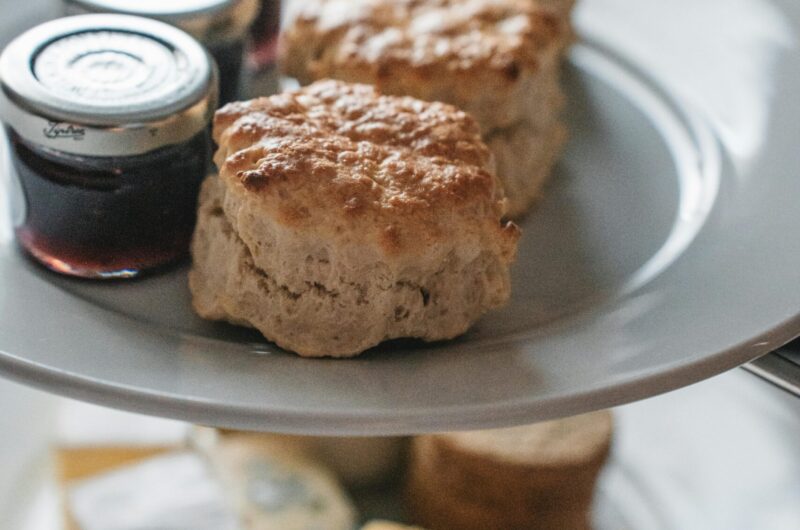
Cheddar and herb scones occupy the savoury end of the quick bread spectrum and do so with considerable distinction. The combination of sharp mature cheddar, fresh herbs, and the buttery, flaky scone base produces a bread that is simultaneously rich and fresh, savoury and fragrant. They emerge from the oven tall and golden with a deep cheese flavour that is already present in the aroma before the first bite.
The scone technique requires cold butter worked into the flour until the mixture resembles coarse breadcrumbs with pea-sized butter pieces remaining. These butter pieces are what produce the flaky, layered texture of a good scone as they steam during baking. The dough should be handled minimally and quickly, because warmth from the hands melts the butter and produces a denser, less flaky result.
Mature cheddar is essential for a properly flavoured cheese scone. Mild cheddar disappears into the dough and produces a faint cheese flavour that is barely detectable. A properly aged mature or extra-mature cheddar provides the sharp, nutty, slightly crystalline flavour that makes a cheese scone taste genuinely of cheese.
History and Origins
Scones originated in Scotland and have been a staple of British baking since at least the early 16th century. The savoury cheese variant developed alongside the broader British tradition of cheese breads and became particularly associated with afternoon tea service in the 20th century. Cheddar, the most widely produced British cheese, became the natural choice for cheese scones.
Cheddar and Herb Scones
Course: Bread8
servings15
minutes18
minutes2480
kcalIngredients
•t300g self-raising flour
•t1 tsp baking powder
•t1 tsp mustard powder
•t0.5 tsp salt
•t0.25 tsp black pepper
•t80g cold unsalted butter cubed
•t150g mature cheddar grated
•t2 tbsp fresh chives or mixed herbs chopped
•t1 large egg
•t100ml cold whole milk plus extra for brushing
Directions
- Preheat oven to 220C. Line a baking tray.
- Whisk flour, baking powder, mustard powder, salt and pepper together.
- Rub cold butter into flour until mixture resembles coarse breadcrumbs.
- Stir in 100g of the cheese and the herbs.
- Beat egg with milk. Add to flour mixture and mix until dough just comes together.
- Turn onto floured surface. Pat to 3cm thickness. Cut into rounds with a 6cm cutter.
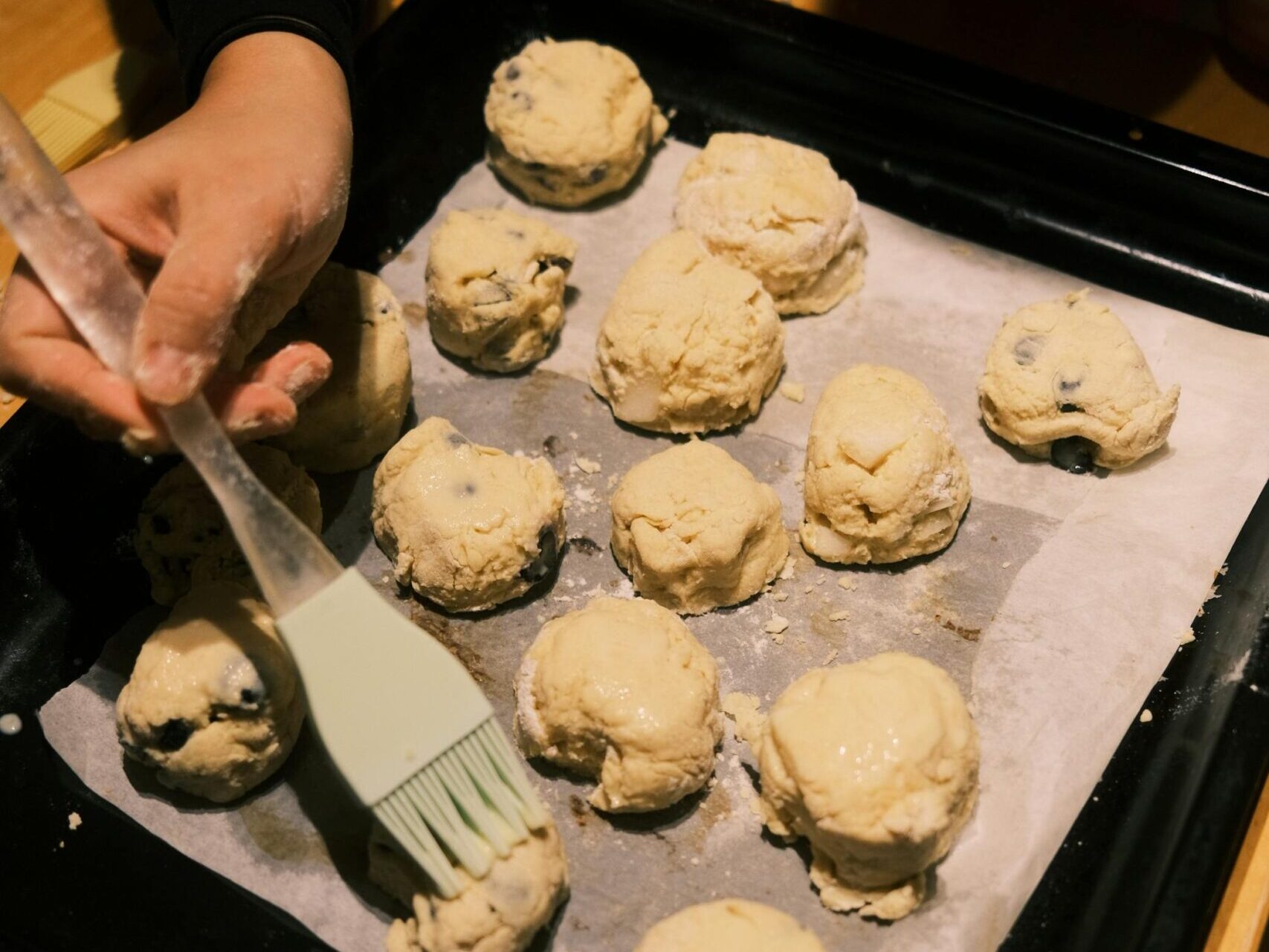
- Place on tray. Brush tops with milk. Sprinkle remaining cheese over each.
- Bake for 15 to 18 minutes until deeply golden
Notes
- Keep everything cold throughout the process. Cold butter, cold milk, and cold hands produce the flakiest scones. If your kitchen is warm, refrigerate the dough for 10 minutes before cutting.
Do not twist the cutter when cutting out the scones. Press down firmly and lift straight up. Twisting seals the edges and prevents the scones from rising evenly, producing a lopsided result.
Handle the dough as little as possible. The moment the dough comes together stop mixing. Every extra touch warms the butter and develops the gluten, both of which make the scones less flaky.
The mustard powder is not optional. It does not make the scones taste of mustard but it amplifies the cheese flavour significantly. This is the same principle as adding coffee to chocolate cake.
Reserve some of the cheese to scatter over the tops before baking. This produces the golden, caramelised cheese crust that is the most appetising visual element of a good cheese scone.
These scones are best eaten warm from the oven with salted butter. The contrast of the warm, flaky scone and the cold, melting butter is one of the most satisfying eating experiences in British baking.
If the scones come out flat it is almost certainly because the butter was too warm and melted into the flour during mixing rather than staying in distinct pieces. Next time keep everything colder.
Make Ahead Tips
Scone dough can be cut and refrigerated unbaked for up to 24 hours. Bake fresh. Baked scones keep at room temperature for 2 days and reheat well in a 180C oven for 5 minutes.
Storage and Serving
Best eaten the day of baking. Keep at room temperature for up to 2 days. Reheat in a 180C oven for 5 minutes to restore the crust. Freeze baked scones for up to 3 months and reheat from frozen in a 180C oven for 12 minutes.
Variations and Substitutions
Replace cheddar with Gruyere, smoked cheddar, or Red Leicester for different flavour profiles. Add 80g of diced crispy bacon or lardons to the dough along with or instead of the herbs. Add sun-dried tomatoes and fresh basil instead of chives for a Mediterranean cheese scone. Replace the herbs with a teaspoon of dried chilli flakes for a spiced version. Add 2 tablespoons of finely grated Parmesan in addition to the cheddar for a more complex, nuttier cheese flavour. Make mini scones using a smaller 4cm cutter and reduce the baking time to 12 to 14 minutes for elegant party canapé-sized portions. Add caramelised onion mixed through the dough for a deeply savoury, sweet onion and cheese scone.