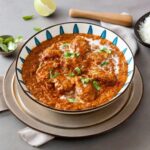
Tender chicken in a rich, velvety tomato and cream sauce spiced with garam masala and fenugreek, the most ordered Indian dish in the world.
Introduction
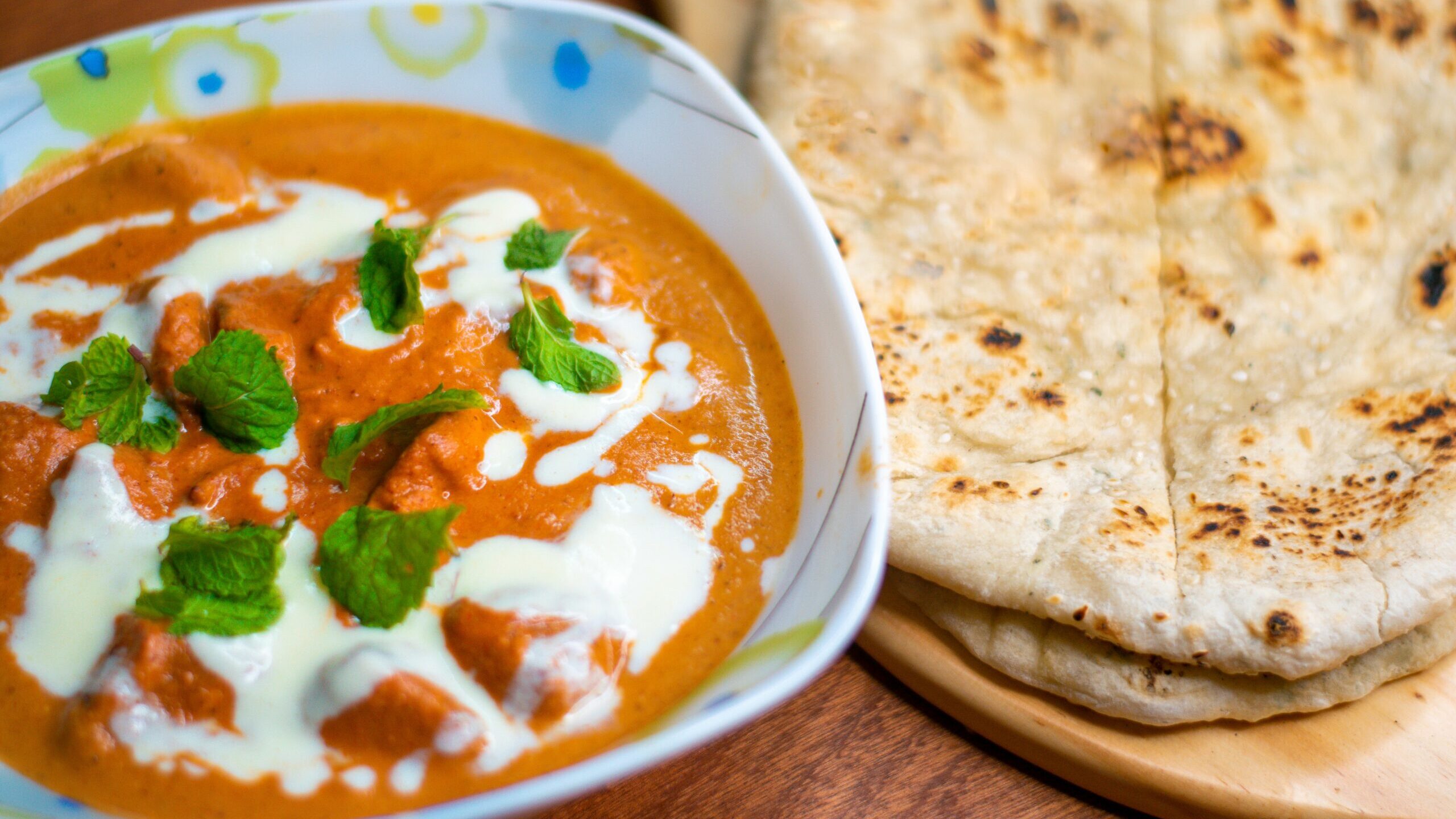
Butter chicken, known in India as murgh makhani, is the dish that introduced millions of people around the world to Indian cooking. Its rich, orange-red sauce, simultaneously creamy and tangy, mildly spiced and deeply fragrant, is one of the most universally loved flavour profiles in global cuisine. It is the curry that non-curry eaters order, the dish that appears on every Indian restaurant menu from Mumbai to Manchester to Melbourne, and the recipe that home cooks attempt more than any other from the Indian culinary tradition.
The sauce is built in two stages. A base of tomatoes, onion, garlic, ginger, and spices is cooked down until thick and deeply coloured, then blended smooth before cream and butter are added to produce the characteristic velvety texture. The chicken, marinated in yoghurt and spices, is cooked separately before being added to the finished sauce where it absorbs the flavours completely.
This recipe produces a result that is genuinely comparable to a good restaurant version. The fenugreek leaves, known as kasuri methi, are the ingredient that most people cannot identify but that gives butter chicken its unmistakeable aroma. They are available in most Asian grocery stores and many supermarkets and are worth finding for this recipe.
History and Background
Butter chicken was created in the 1950s at the Moti Mahal restaurant in Delhi by chef Kundan Lal Gujral and his associate Kundan Lal Jaggi. The dish was invented as a practical solution to using leftover tandoori chicken by simmering it in a tomato, butter, and cream sauce. The combination proved so popular that it became the restaurant’s signature dish and subsequently spread across India and around the world.
The dish represents a style of cooking associated with the Punjabi region and the Mughal culinary tradition, which combined Persian and Central Asian cooking techniques with Indian spices to produce the rich, cream-based dishes that became hallmarks of North Indian restaurant cooking. Butter chicken along with chicken tikka masala became the gateway dishes through which Western diners encountered Indian cuisine in the 20th century.
Today butter chicken is estimated to be the most ordered dish in Indian restaurants globally and one of the most searched recipe names on the internet, a position it has held consistently for over a decade.
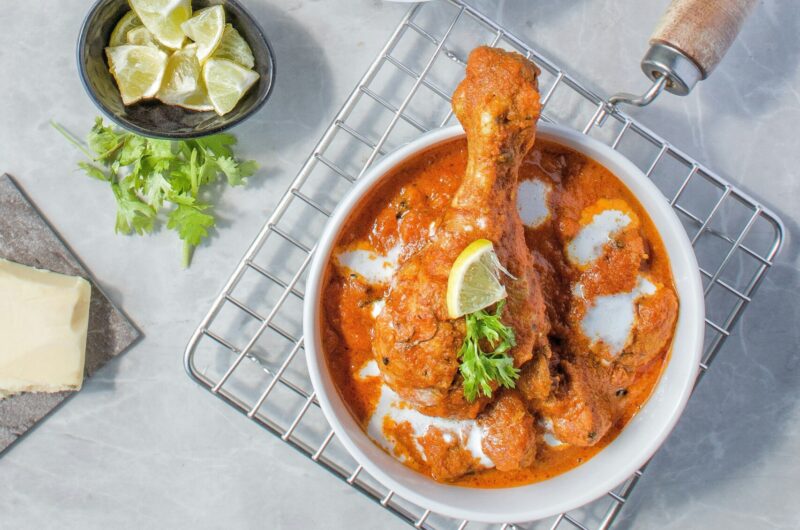
Butter Chicken
Course: Chicken, Uncategorized4
servings35
minutes55
minutes1680
kcalIngredients
For the chicken marinade: 600g boneless chicken thighs cut into chunks
For the chicken marinade: 150g plain yoghurt
For the chicken marinade: 1 tbsp lemon juice
For the chicken marinade: 1 tsp turmeric
For the chicken marinade: 1 tsp chilli powder
For the chicken marinade: 1 tsp garam masala
For the chicken marinade: 1 tsp ground cumin
For the chicken marinade: salt
For the sauce: 2 tbsp butter
For the sauce: 1 large onion finely chopped
For the sauce: 4 garlic cloves minced
For the sauce: 2cm fresh ginger grated
For the sauce: 1 tsp garam masala
For the sauce: 1 tsp ground coriander
For the sauce: 1 tsp smoked paprika
For the sauce: 400g tin chopped tomatoes
For the sauce: 150ml double cream
For the sauce: 1 tbsp dried fenugreek leaves kasuri methi
For the sauce: 1 tsp sugar
For the sauce: salt to taste
Directions
- Combine all marinade ingredients with the chicken. Mix well and marinate for at least 30 minutes or overnight in the fridge.
- Heat a large pan over high heat. Cook marinated chicken pieces in batches until charred at the edges and cooked through, about 8 minutes. Set aside.
- In the same pan melt butter over medium heat. Cook onion for 8 minutes until golden.
- Add garlic and ginger. Cook 2 minutes.
- Add garam masala, coriander, and paprika. Stir for 1 minute.
- Add tinned tomatoes. Simmer for 15 minutes until thick and deep red.
- Blend the sauce until completely smooth using a stick blender or regular blender.
- Return to the pan over medium heat. Add cream, fenugreek leaves, sugar, and salt.
- Add cooked chicken. Simmer for 10 minutes.
- Serve with rice or naan.
Tips
- Chicken thighs stay juicier and more flavourful than breast meat in this recipe. The higher fat content prevents the chicken from drying out during the double cooking process.
Char the chicken properly on high heat before adding to the sauce. The slightly burnt edges add a smokiness that approximates the tandoor flavour of the restaurant original.
Blending the sauce to a completely smooth consistency is what produces the velvety restaurant texture. A stick blender in the pan is the most practical approach.
Kasuri methi, dried fenugreek leaves, is the ingredient that gives butter chicken its distinctive aroma. It cannot be replaced. Find it in any Asian grocery store.
Add the cream after blending and off a rolling boil to prevent it from splitting in the acidic tomato sauce.
A pinch of sugar balances the acidity of the tomatoes and is used in restaurant kitchens universally for this dish.
The longer the chicken marinates the better. Overnight in the fridge produces the most flavourful, most tender result.
Variations
Replace chicken with paneer cubes for a vegetarian version called paneer makhani that uses the identical sauce. Add a tablespoon of cashew paste to the sauce alongside the cream for extra richness and a slightly nutty undertone. Make a lighter version by replacing double cream with coconut cream for a dairy-free adaptation. Add a teaspoon of honey instead of sugar for a slightly different sweetness profile. Make a restaurant-style version by adding a tablespoon of unsalted butter stirred in at the very end off the heat for extra gloss and richness.
Storage and Serving
Serve butter chicken over basmati rice or alongside warm naan bread. Garnish with a swirl of cream, a few kasuri methi leaves, and a knob of butter melting on top for a restaurant presentation. Accompaniments include sliced red onion, cucumber raita, and mango chutney. Butter chicken keeps in the fridge for up to 4 days and actually improves on day two as the spices deepen. Freeze for up to 3 months. Reheat gently on the stovetop with a splash of water to loosen the sauce.
FAQs
Q: What is the difference between butter chicken and chicken tikka masala?
A: Butter chicken has a creamier, milder, butterier sauce. Chicken tikka masala is generally spicier, more tomato-forward, and tangier. Both use marinated grilled chicken in a creamy tomato sauce.
Q: Can I skip the marinating time?
A: You can cook immediately but the chicken will have significantly less flavour. Even 30 minutes of marinating makes a noticeable difference.
Q: Why does my sauce look orange rather than the deep red of a restaurant?
A: Cook the tomatoes longer until very thick and dark. Restaurant versions often use food colouring. Smoked paprika and longer cooking deepen the colour naturally.
Q: Can I use chicken breast instead of thighs?
A: Yes but reduce the cooking time to avoid dryness. Breast meat overcooks faster than thigh.
Q: Is kasuri methi essential?
A: It is the signature flavour of butter chicken and is strongly recommended. Dried thyme is a very imperfect substitute in an emergency.