Espresso-soaked savoiardi, silky mascarpone cream, and a thick dusting of cocoa powder. Authentic Italian tiramisu that requires absolutely no baking.
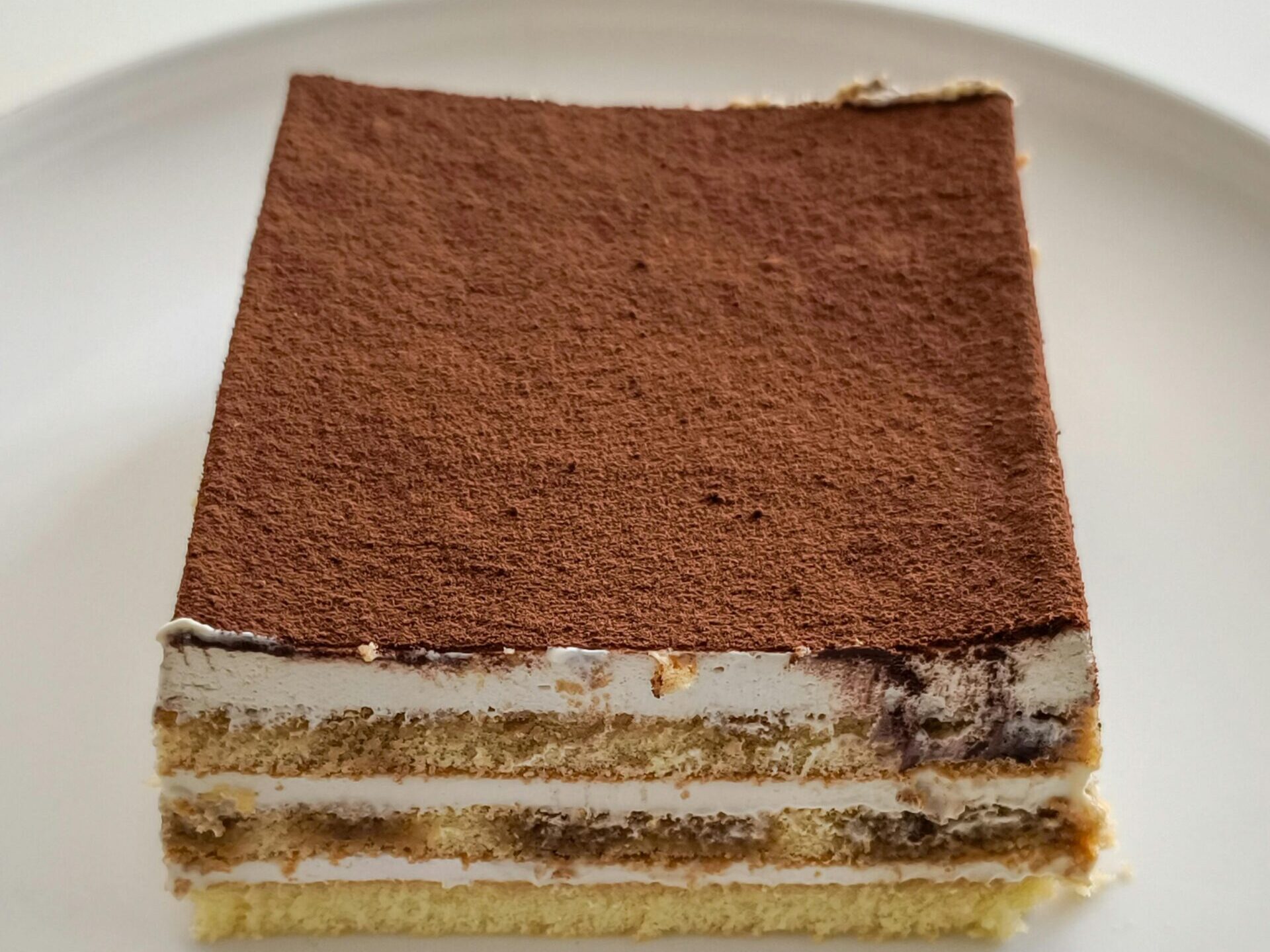
Tiramisu is arguably the greatest no-bake dessert ever created. Espresso-soaked sponge fingers, clouds of mascarpone cream flavoured with egg yolk and sugar, and a generous dusting of bitter cocoa that ties everything together. This version is made properly, with egg yolks beaten with sugar the traditional way, which produces a richer, silkier, more intensely flavoured result than any short-cut version. It is also completely no-bake. And here is the secret that makes it even better: day-two tiramisu is better than day-one tiramisu. So making it the evening before you need it is not only convenient, it is actually the best way to do it.
WHY YOU’LL LOVE THIS RECIPE
The flavour deepens and the layers settle together beautifully as the tiramisu chills. It looks rustic and generous and exactly like what it is supposed to look like when you bring it to the table. There is no cutting, no plating, no fuss. Just spoon it out generously.
WHY IT WORKS
Beating the egg yolks with sugar creates a thick, pale zabaglione that adds richness, depth, and structure to the mascarpone without any setting agents. The brief dipping of the sponge fingers in cold espresso softens them just enough without making them collapse. Cold espresso is essential here. Warm or hot coffee continues to soften the sponge fingers from the inside even after assembly and will result in a layer of mush rather than a defined biscuit layer
No-Bake Tiramisu
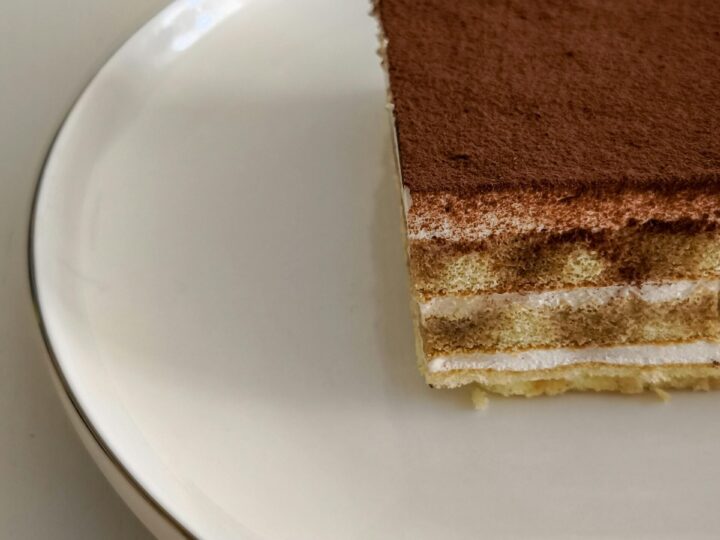
AuthenticItalian tiramisu made the traditional way with real zabaglione, coldespresso-soaked sponge fingers, and a thick cocoa dusting. Rich, silky, andgenuinely better on day two.
Ingredients
- MASCARPONE CREAM
- 500g mascarpone, at room temperature
- 4 large egg yolks
- 100g caster sugar
- 300ml double cream
- 1 teaspoon vanilla extract
- FOR ASSEMBLY
- 200ml cold strong espresso or very strong brewed coffee, completely cold
- 3 tablespoons Marsala wine or dark rum (optional but traditional)
- 200g savoiardi biscuits (sponge fingers)
- TO FINISH
- A generous and thorough dusting of good quality unsweetened cocoa powder
- Dark chocolate shavings for an optional extra flourish
Instructions
Step 1 Make the espresso and prepare your dipping bowl
The first thing to do, even before you start the cream, is to make your espresso so
it has plenty of time to cool down completely before you need it. Brew 200ml of
very strong espresso or make very strong instant coffee. If you are using
Marsala wine or rum, stir it into the coffee now. Pour the mixture into a
shallow bowl or deep plate that is wide enough to lay a sponge finger in flat.
Leave it on the counter to cool completely, then move it to the fridge if you
want to speed things up. You absolutely must not use warm or hot coffee for
dipping. If you do, the sponge fingers will soak up too much liquid and
collapse and you will not have defined layers in the finished tiramisu.
Step 2 Make the egg yolk zabaglione
Place the 4 egg yolks and 100g of caster sugar into a large mixing bowl. Using an
electric hand mixer or the whisk attachment of a stand mixer, beat the mixture
on medium-high speed for a good 4 to 5 minutes. You are looking for a dramatic
transformation. The mixture should go from a pale golden, runny liquid to a
thick, pale, almost ivory-coloured mass that has approximately tripled in
volume. When you lift the beaters and let some of the mixture fall back into
the bowl, it should fall in a thick ribbon that holds its shape on the surface
for a few seconds before sinking back in. This is called the ribbon stage and
it is the sign that the zabaglione is ready. If the mixture is still thin and
runny after 5 minutes, keep going for another minute or two.
Step 3 Fold together the mascarpone cream
Make
sure your mascarpone has come to room temperature before you start. Cold
mascarpone can be lumpy and difficult to fold smoothly. Add the mascarpone to a
separate bowl and beat it briefly on medium speed for about 30 seconds until it
is smooth and creamy with no lumps. Now add the egg yolk mixture to the
mascarpone and fold them together using a large spatula, cutting down through
the centre and sweeping up around the sides in slow, deliberate strokes. Work
gently and keep going until no streaks of egg or mascarpone remain and you have
a smooth, uniform mixture. In a clean bowl, whip the double cream with the
vanilla extract until it holds soft peaks. Add the whipped cream to the
mascarpone mixture in two separate additions, folding very gently each time to
preserve as much air as possible. The finished cream should be light, airy, and
thick enough to hold its shape.
Step 4 Dip the sponge fingers
Your espresso should be completely cold by now. Take one sponge finger at a time and
lay it in the cold coffee. Leave it for 1 second, then turn it over and leave
it for 1 more second. Lift it out and place it directly into the dish. That is
it. One second per side. This sounds like very little time but it is genuinely
all these biscuits need. Savoiardi are designed to absorb liquid quickly. Any
longer and they will become waterlogged and lose their structure entirely. You
should be able to feel that the outside of the sponge finger is moist but the
very centre still has a little resistance. Work quickly and with confidence.
Step 5 Assemble the layers
Arrange the dipped sponge fingers in a single, snug layer across the base of your dish,
fitting them close together and side by side. Break pieces in half to fill any
gaps and cover the base as completely as possible. Spoon exactly half the
mascarpone cream over the sponge finger layer and spread it out gently but
thoroughly into an even layer that covers every biscuit right to the edges of
the dish. Now dip a second batch of sponge fingers in the coffee, using the
same brief 1-second-per-side method, and lay them in a single layer on top of
the first cream layer. Spoon the remaining mascarpone cream over the top and
spread it into a smooth, even final layer. Cover the dish with cling film,
making sure the film does not touch the cream surface, and place it in the
fridge for at least 6 hours. Overnight is strongly recommended.
Step 6 Dust with cocoa and serve
When you are ready to serve the tiramisu, take it out of the fridge and remove the
cling film. Place a fine mesh sieve over the dish and add a generous amount of
good quality unsweetened cocoa powder. Tap the sieve gently to dust the cocoa
evenly and thickly over the entire surface in a uniform layer. The cocoa layer
should be thick enough to give a clear colour contrast with the cream
underneath. If you are adding chocolate shavings, scatter them over the cocoa
now. Serve immediately in generous spoonfuls from the dish.
Notes
The temperature of the espresso is absolutely critical. It must be completely cold
before you dip the sponge fingers. Even slightly warm coffee will cause the
sponge fingers to absorb too much liquid too quickly and they will turn to mush
rather than holding their shape. Make the coffee well in advance and chill it
thoroughly. The 1-second-per-side dipping rule is not a rough guide. It is the
actual correct time for these biscuits. Trust it.
Nutrition Information:
Serving Size:
10Amount Per Serving:Calories: 510Total Fat: 34gSaturated Fat: 20gSodium: 130mg
VARIATIONS
Add a thin layer of good quality dark chocolate ganache between the two cream layers for a chocolate tiramisu that is intensely delicious. Baileys Irish Cream stirred into the cold espresso in place of the Marsala creates a creamy, slightly sweeter version that is very popular. You can also make the tiramisu in individual glasses for an elegant dinner party presentation where each person gets their own perfectly layered portion.
SUBSTITUTIONS
The alcohol is entirely optional and the tiramisu is wonderful without it. Cold espresso alone provides all the necessary flavour. If you do not have savoiardi, trifle sponges cut to fit your dish work well. If you are concerned about raw egg yolks, use pasteurised eggs which are available in most supermarkets.
COMMON MISTAKES TO AVOID
Using warm espresso for the dipping is the most common and most damaging mistake. It always results in a soggy, collapsed sponge layer. The second most common mistake is over-soaking the biscuits. One second per side is really all that is needed. More than two seconds will produce waterlogged, structureless sponge that merges into the cream rather than forming a distinct layer.
SERVING SUGGESTIONS
Serve the tiramisu in generous, deep spoonfuls that go all the way through both layers. It does not need anything alongside it. A small cup of strong espresso served at the same time is the ideal pairing if you enjoy coffee.
STORAGE
Store the tiramisu covered in the fridge for up to 3 days. The flavour genuinely improves over the first 24 hours as the layers settle and meld together. Do not freeze tiramisu as the cream texture changes significantly when thawed.
FAQS
Is it safe to eat raw egg yolks?
The egg yolks in this recipe are not cooked but they are beaten with sugar which partially denatures the proteins. The risk from fresh, good quality eggs is very low for most people. If you are serving tiramisu to pregnant people, young children, elderly people, or anyone with a compromised immune system, use pasteurised eggs which give the same result with no food safety concerns.
Can I make it without alcohol?
Absolutely. Simply leave out the Marsala or rum and use the cold espresso alone. The tiramisu will taste just as wonderful and the coffee flavour comes through even more cleanly without the alcohol.
How do I know when the egg yolks are beaten enough?
The mixture should have roughly tripled in volume, turned from golden to very pale ivory, and have the ribbon consistency described in the instructions. If you drag a spatula through the mixture it should leave a trail that holds its shape briefly before closing back. This stage is important. Under-beaten eggs will produce a less stable, less rich cream.