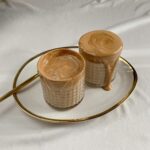
Coarsely ground coffee steeped in cold water overnight to produce a smooth, low-acid coffee concentrate that makes the best iced coffee of your life
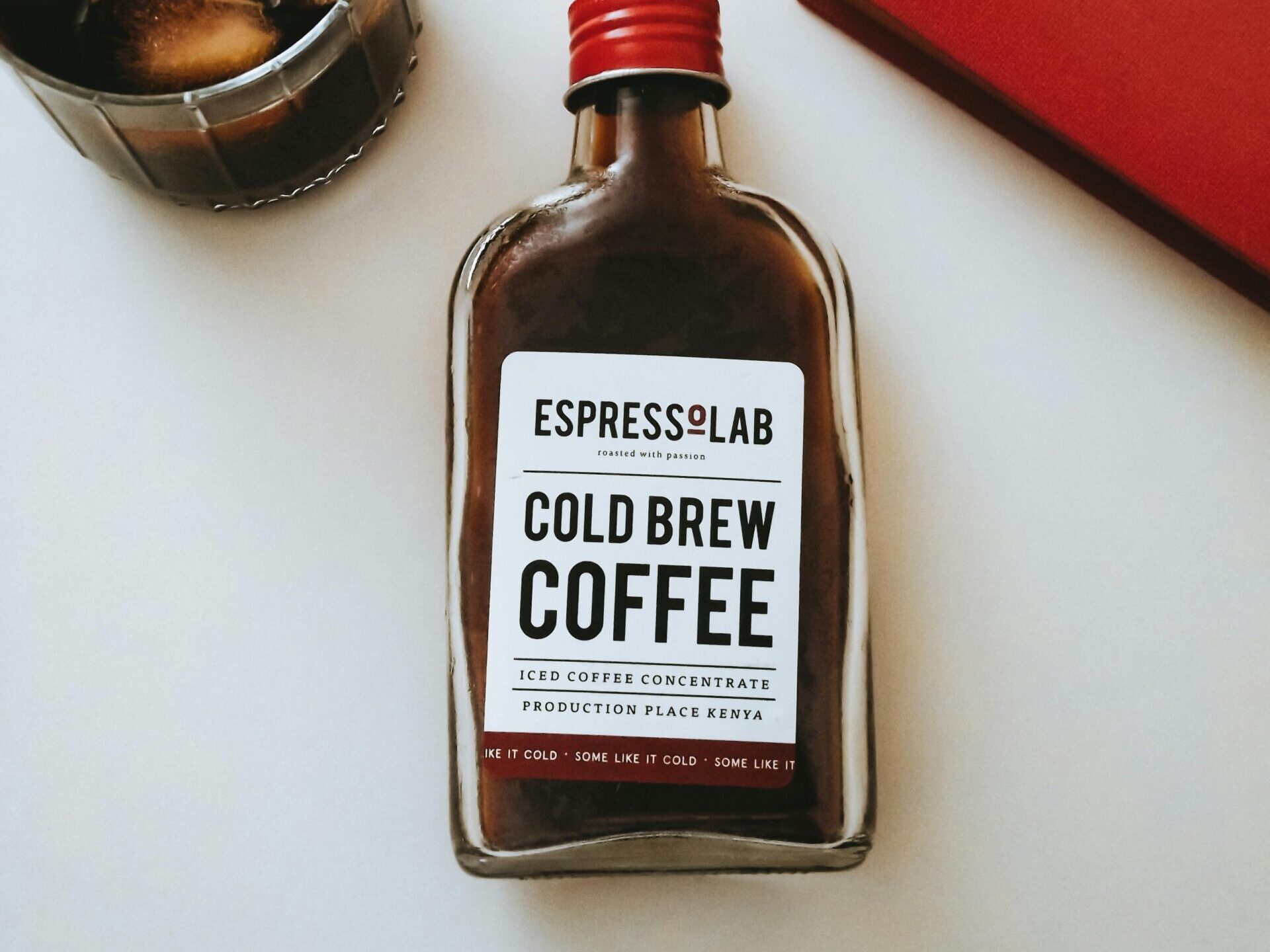
Introduction
Cold brew coffee is the preparation that most changed how people think about iced coffee. Made by steeping coarsely ground coffee in cold water for twelve to twenty-four hours rather than using hot water, it produces a coffee concentrate that is dramatically smoother, less acidic, and more naturally sweet than any hot-brewed coffee poured over ice. The absence of heat eliminates the extraction of the harsh, bitter compounds that hot water dissolves from coffee grounds, leaving only the smooth, chocolatey, and naturally sweet elements.
The result is a coffee concentrate that can be diluted with cold water or milk at serving time, making cold brew both more practical and more versatile than other cold coffee preparations. A batch made on Sunday produces coffee for the entire week, stored in the fridge in a jar, ready to pour over ice in thirty seconds at any moment. This is the cold coffee preparation that most rewards the advance planning it requires.
The flavour profile of cold brew is distinct from any other coffee preparation. It tastes simultaneously stronger and smoother than hot coffee, with pronounced chocolate and caramel notes and minimal bitterness or acidity. People who find hot coffee too acidic for their digestion often find cold brew entirely comfortable, making it the cold coffee drink with the broadest appeal across different sensitivities.
History and Background
Cold brew coffee as a commercial beverage dates to the 1960s when the Toddy coffee system was developed in the United States by chemical engineering student Todd Simpson. The Toddy system, which used cold water to brew coffee in a bag over several hours, was the first widely marketed cold brewing apparatus and established cold brew as a recognised preparation.
The concept of cold brewing coffee is considerably older than the 1960s, however. Japanese cold water brewing methods for coffee, known as Kyoto style drip, have been documented since at least the 17th century, though some historians suggest cold water coffee preparation has even longer roots in Dutch colonial trading tradition. Cold brew became mainstream in the United States in the 2010s when Starbucks introduced it to their menu nationally in 2015 and commercial cold brew brands began appearing in grocery store refrigerator sections. It is now one of the fastest growing coffee categories globally.
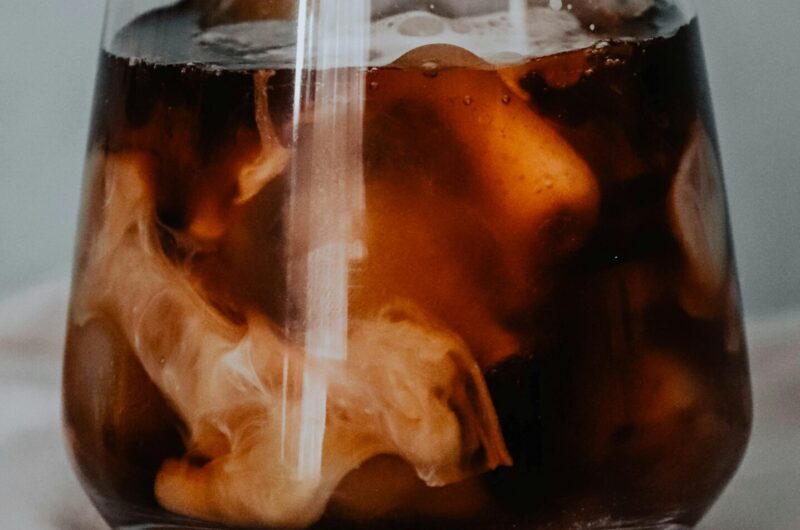
Cold Brew Coffee Made at Home in 12 Hours
4
servings30
minutes40
minutes300
kcalIngredients
100g coarsely ground coffee
900ml cold filtered water
Large jar or container with lid
Fine mesh strainer or coffee filter for straining
Directions
- Add coarsely ground coffee to a large clean jar.
- Pour cold filtered water over the grounds.
- Stir gently to ensure all grounds are wet.
- Cover the jar with a lid or cling film.
- Refrigerate for 12 to 24 hours. Longer steeping produces a stronger, more intense concentrate.
- Strain through a fine mesh strainer lined with a paper coffee filter or muslin cloth into a clean jar.
- Press gently on the grounds to extract remaining liquid.
- Discard grounds. Store concentrate in the fridge.
- To serve pour over ice and dilute with equal parts cold water or milk.
Tips
- Use coarsely ground coffee. Fine grounds produce a muddy, over-extracted, and difficult-to-filter result. Coarse grind is the correct and essential grind size for cold brew.
Cold filtered water makes a noticeable difference to the final flavour. The mineral content of the water affects how the coffee extracts.
The 1:9 coffee to water ratio produces a concentrate. Dilute 1:1 with water or milk at serving. Adjust concentration to your taste preference.
Do not rush the steep time. Twelve hours is the minimum for a properly extracted cold brew. Twenty-four hours produces a stronger, more complex concentrate.
Strain carefully and patiently. Rushing the straining produces a cloudy, gritty result. Allow gravity to do the work.
Cold brew concentrate keeps refrigerated for up to 2 weeks, making it the most practical cold coffee preparation for regular home use.
Medium to dark roast coffees produce the best cold brew. Light roasts can taste thin and under-extracted through this method.
Variations
Add a cinnamon stick or vanilla pod to the steeping jar for a spiced cold brew. Make a chocolate cold brew by adding 2 tablespoons of unsweetened cocoa powder to the grounds before steeping. Use the cold brew concentrate as the base for all other cold coffee drinks in this collection. Make a nitro cold brew by pouring cold brew through a whipped cream dispenser with a nitrogen charge for the creamy, cascading pour effect. Add orange peel to the steeping jar for a citrus cold brew.
Storage and Serving
Serve diluted 1:1 with cold water or milk over ice. The concentrate straight is very strong and is typically diluted before drinking. Store concentrate in a sealed jar in the fridge for up to 2 weeks. The flavour is consistent throughout the storage period. Serve in a tall glass over plenty of ice with whatever additions you prefer.
FAQs
Q: What grind size is best for cold brew?
A: Coarse grind, similar to French press grind. Fine grinding produces over-extraction and makes straining very difficult.
Q: Can I use any coffee for cold brew?
A: Yes, any ground coffee works. Medium to dark roasts produce the best flavour profile for cold brew. Single origin light roasts can taste thin.
Q: Why is my cold brew weak?
A: Either the ratio was too dilute, the steep time was too short, or the grind was too coarse. Increase coffee quantity or steep for longer.
Q: Can I make cold brew at room temperature?
A: Yes, room temperature brewing is faster, taking 6 to 8 hours. Refrigerator brewing takes 12 to 24 hours but produces a cleaner, less acidic result.
Q: How long does cold brew last in the fridge?
A: Undiluted concentrate keeps for up to 2 weeks refrigerated. Once diluted consume within 24 hours.