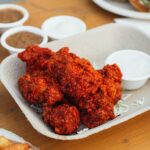
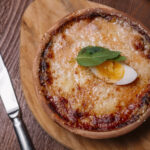
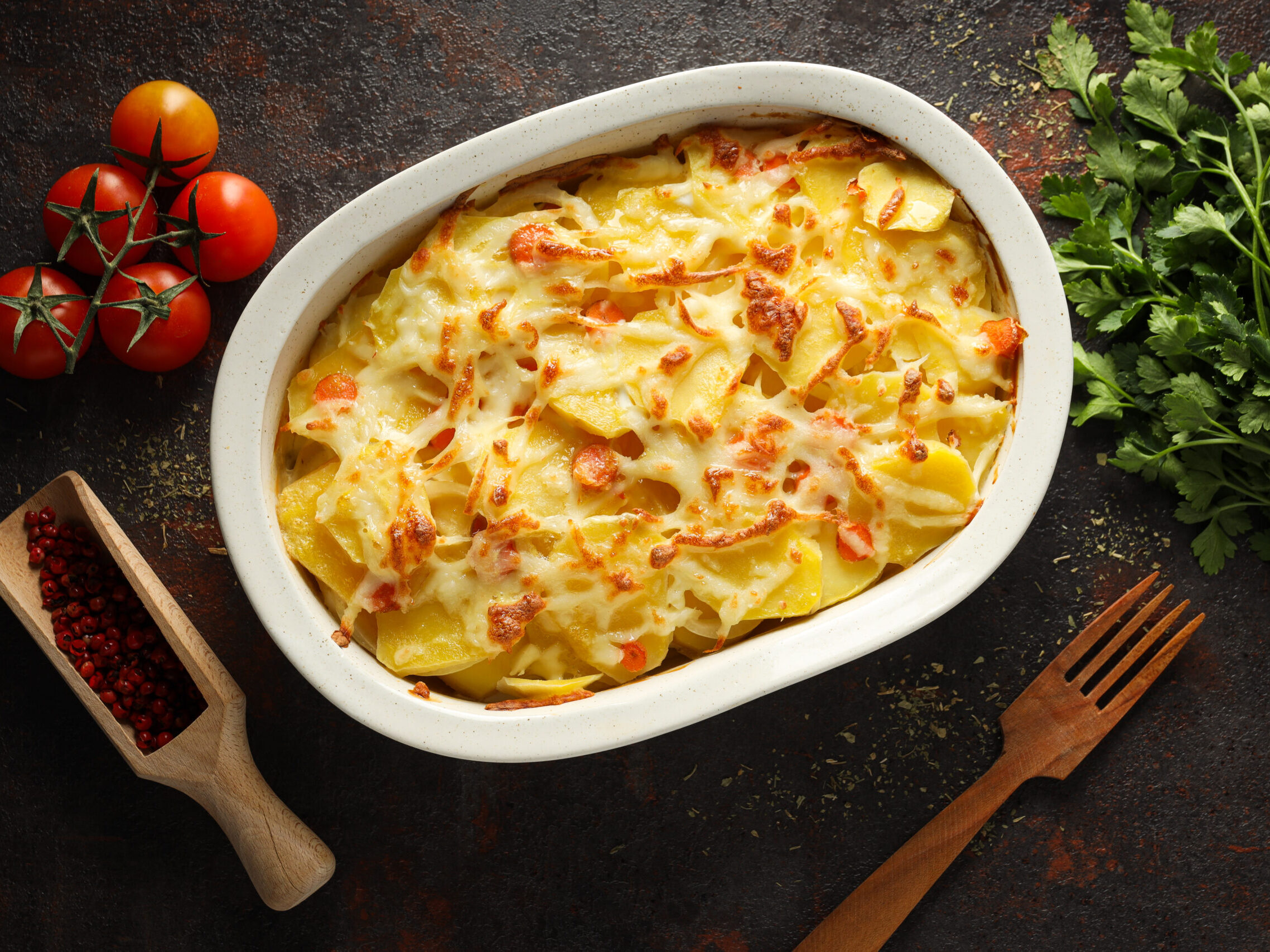
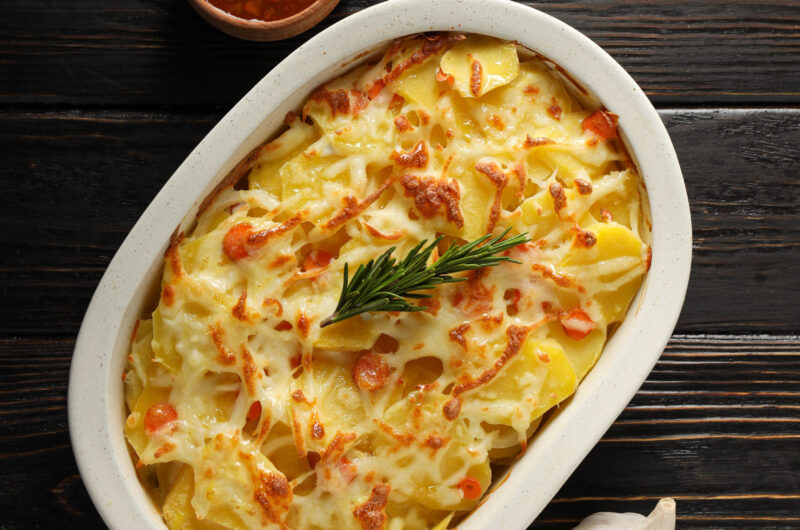
Crispy breaded chicken breast topped with tomato sauce and melted mozzarella, the most beloved Italian-American comfort food dish that every home cook should know.
Introduction
Chicken parmigiana, known in America as chicken parmesan or simply chicken parm, is one of the great comfort food dishes of the Italian-American tradition. A chicken breast pounded thin, coated in seasoned breadcrumbs, fried until golden and crispy, then topped with tomato sauce and melted mozzarella produces a dish that is simultaneously crispy, saucy, cheesy, and deeply satisfying. It is the dish that appears on the menus of Italian-American restaurants from New York to Chicago to Los Angeles and that countless families make weekly at home.
The technique of pounding the chicken thin before coating is the step that most improves the result and that most home cooks skip to their detriment. Pounding the breast to an even thickness of about 1 centimetre produces a piece of meat that cooks evenly and quickly, without the problem of overcooked thin edges and raw thick centres that plagues un-pounded chicken breast.
The breadcrumb coating, made from fine breadcrumbs seasoned generously with parmesan and herbs, provides the crunchy exterior that makes the first bite so satisfying. The tomato sauce should be simple: good quality canned tomatoes, garlic, and basil, cooked briefly to preserve freshness. The mozzarella should be generous and fully melted, stretching dramatically when the dish is cut or a forkful is lifted.
History and Background
Chicken parmigiana developed in Italian-American communities in the northeastern United States in the early 20th century. It is an adaptation of the Southern Italian dish melanzane alla parmigiana, eggplant parmesan, with chicken substituted for the eggplant by Italian immigrants who found chicken more readily available and more affordable in their new country than in the Italy they had left.
The dish became a staple of Italian-American restaurant menus and home cooking through the mid-20th century and achieved its peak cultural prominence in the 1970s and 1980s as Italian-American cuisine became mainstream American food. It is now one of the most cooked recipes in American home kitchens and a standard offering on virtually every Italian-American restaurant menu.
In Australia, chicken parmigiana or “chicken parmy” became a pub food institution and is often cited in surveys as the most ordered pub meal in the country, demonstrating how the dish spread through the English-speaking world through similar immigrant and cultural transmission pathways.
Chicken Parmigiana
Course: Uncategorized4
servings20
minutes40
minutes1940
kcalIngredients
4 chicken breasts
100g plain flour seasoned with salt and pepper
2 large eggs beaten
150g fine breadcrumbs
50g parmesan freshly grated
1 tsp dried oregano
1 tsp garlic powder
Salt and black pepper
Olive oil for frying
For the sauce: 400g tin chopped tomatoes, 2 garlic cloves minced, 1 tbsp olive oil, handful of fresh basil, salt, pinch of sugar
200g mozzarella grated or sliced
Extra parmesan to finish
Directions
- Pound chicken breasts between cling film to 1cm thickness using a rolling pin.
- Mix breadcrumbs with parmesan, oregano, and garlic powder. Season.
- Coat each breast in flour, then beaten egg, then breadcrumb mixture. Press firmly.
- Make the sauce by cooking garlic in olive oil for 1 minute, adding tomatoes and sugar, simmering 10 minutes. Add basil and season.
- Heat 1cm of olive oil in a large frying pan over medium-high heat.
- Fry breaded chicken for 3 to 4 minutes per side until deeply golden. Work in batches.
- Transfer to a baking tray or oven-proof dish.
- Spoon tomato sauce over each piece. Top with mozzarella and extra parmesan.
- Grill under a hot grill for 3 to 4 minutes until cheese is melted and bubbling.
- Serve immediately.
Tips
- Pounding the chicken to even thickness is the most important preparation step. Uneven thickness means the thin parts overcook and dry out before the thick parts are cooked through.
Press the breadcrumb coating firmly onto the chicken. A loosely applied coating falls off during frying. Press with your hands to make it adhere completely.
Fry in enough oil to come at least halfway up the side of the chicken. Too little oil produces a pale, unevenly fried result.
Do not crowd the pan while frying. Overcrowding lowers the oil temperature and the chicken steams rather than frying, producing a pale, soft coating.
The cheese and sauce go on after frying and before the grill. This preserves the crispiness of the coating as long as possible before the sauce begins to soften it.
Freshly grated parmesan in the breadcrumbs rather than pre-grated produces a more flavourful, more nutty coating.
Use passata or very good quality tinned tomatoes for the sauce. Poor quality tinned tomatoes produce an acidic, flat sauce that undermines the entire dish.
Variations
Make a veal parmigiana using thinly pounded veal cutlets in the same preparation for the original Italian-American version. Make a vegetarian version using thick slices of aubergine in place of chicken for the original Italian eggplant parmigiana. Add sliced ham between the chicken and the mozzarella for a chicken cordon bleu and parmigiana hybrid. Make a spicy version by adding chilli flakes to the tomato sauce and using pepper jack cheese instead of mozzarella. Serve as a sub sandwich by placing the cooked chicken parmigiana in a toasted hoagie roll for a chicken parmesan hero.
Storage and Serving
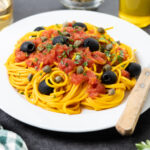
Serve immediately after the cheese has melted under the grill while the coating is still crispy. Serve over spaghetti dressed with the same tomato sauce, or alongside a green salad and garlic bread. The combination of the crispy chicken, the tomato sauce, and the melted cheese requires nothing more elaborate. Leftovers keep in the fridge for 3 days. Reheat in a 180C oven for 10 minutes rather than a microwave to partially restore the coating crispness. The dish does not freeze well as the coating becomes soggy on thawing.
FAQs
Q: Can I use store-bought breadcrumbs?
A: Yes, panko breadcrumbs produce an even crispier result than regular breadcrumbs. Italian seasoned breadcrumbs add convenient flavour. Both work well.
Q: Do I need to use a grill at the end?
A: The grill melts the cheese and produces a slightly browned top. Alternatively cover the dish with foil and place in a hot oven for 5 minutes to melt the cheese without a grill.
Q: Why does my coating fall off during frying?
A: The coating was not pressed firmly enough onto the chicken or the oil was not hot enough when the chicken was added. Ensure the coating is firmly adhered and the oil is properly hot.
Q: Can I make this ahead for a dinner party?
A: Fry the coated chicken ahead and refrigerate. Add sauce and cheese and grill fresh before serving. This preserves the coating better than storing fully assembled.
Q: What is the difference between chicken parmesan and chicken parmigiana?
A: They are the same dish. Parmesan is the American shortening. Parmigiana is the Italian-derived full name.