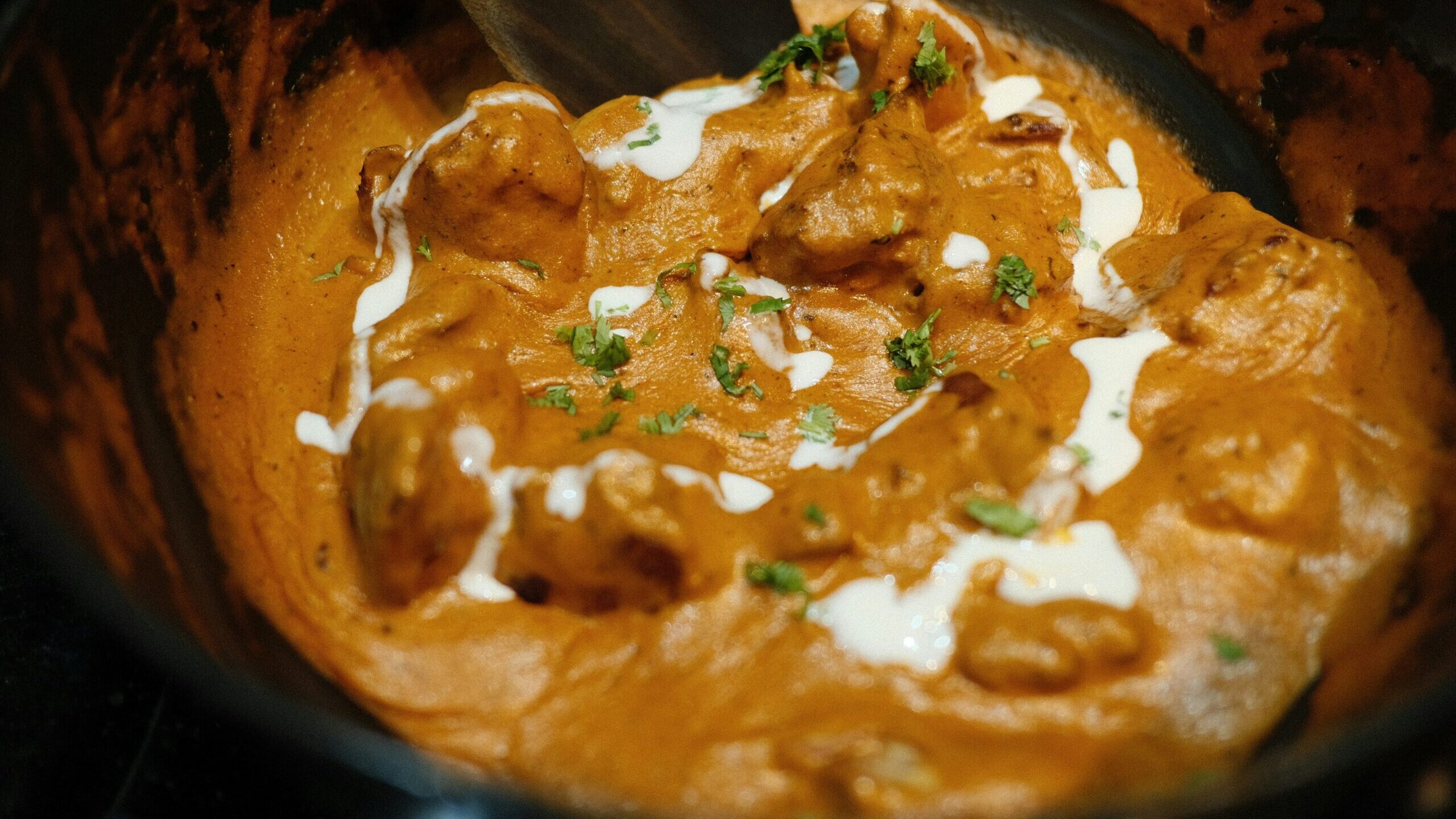
Chargrilled chicken tikka in a bold, spiced tomato and cream sauce, arguably Britain’s most beloved curry and one of the most searched chicken recipes in the world.
Introduction
Chicken tikka masala occupies a unique position in global food culture. It is simultaneously one of the most beloved dishes in British cooking, one of the most searched curry recipes worldwide, and a dish whose precise origin is genuinely disputed between India and Scotland. Whatever its true birthplace, the result is extraordinary: smoky, chargrilled chicken tikka pieces in a bold, tangy, cream-enriched tomato sauce that is more assertively spiced than butter chicken but equally irresistible.
The tikka element refers to the marinated, chargrilled chicken pieces that form the heart of the dish. The word tikka means pieces in both Hindi and Urdu, and the marinade of yoghurt and spices that coats each piece before cooking is responsible for both the tenderness of the meat and the charred, smoky exterior that gives the dish its characteristic depth.
The masala sauce is where this dish differs most distinctly from butter chicken. It is more assertive, more tangy, and more heavily spiced, with a tomato-forward character that balances the cream rather than being softened by it. The result is a dish with more personality than its creamier cousin, one that satisfies deeply and completely.
History and Background
The origin of chicken tikka masala is one of food culture’s most entertaining debates. The leading theory attributes it to Ali Ahmed Aslam, the founder of Shish Mahal restaurant in Glasgow, who reportedly created the dish in the 1970s when a customer complained that his chicken tikka was too dry. Aslam improvised a sauce from tinned tomato soup, cream, and spices, and chicken tikka masala was born.
The Indian counter-claim holds that similar dishes existed in Indian cooking long before the Glasgow version, and that the dish is simply a British adaptation of existing North Indian recipes. The debate has never been definitively resolved. In 2001, then British Foreign Secretary Robin Cook famously described chicken tikka masala as a true British national dish, reflecting the dish’s extraordinary adoption into British food culture.
Regardless of origin, chicken tikka masala became the most ordered dish in British Indian restaurants for decades and has exported globally through British food culture, appearing on menus from New York to Sydney.
Chicken Tikka Masala
Course: Uncategorized4
servings20
minutes30
minutes1860
kcalIngredients
For the tikka: 600g boneless chicken thighs cut into chunks
For the tikka: 150g plain yoghurt
For the tikka: 2 tbsp lemon juice
For the tikka: 1 tsp chilli powder
For the tikka: 1 tsp garam masala
For the tikka: 1 tsp turmeric
For the tikka: 1 tsp ground cumin
For the tikka: salt
For the masala sauce: 2 tbsp oil
For the masala sauce: 1 large onion finely diced
For the masala sauce: 4 garlic cloves minced
For the masala sauce: 2cm ginger grated
For the masala sauce: 2 tsp garam masala
For the masala sauce: 1 tsp paprika
For the masala sauce: 1 tsp cumin
For the masala sauce: 0.5 tsp chilli powder
For the masala sauce: 400g tin chopped tomatoes
For the masala sauce: 150ml double cream
For the masala sauce: salt and sugar to taste
Directions
- Mix all tikka marinade ingredients with chicken. Marinate for at least 2 hours or overnight.
- Cook marinated chicken in a very hot griddle pan or frying pan until charred on the outside, about 8 minutes. Set aside.
- Heat oil in a large pan over medium heat. Cook onion for 10 minutes until deeply golden.
- Add garlic and ginger. Cook 2 minutes.
- Add garam masala, paprika, cumin, and chilli. Stir 1 minute.
- Add tinned tomatoes. Simmer 15 minutes until very thick.
- Blend sauce smooth with a stick blender.
- Return to heat. Add cream, salt, and a pinch of sugar.
- Add chargrilled chicken. Simmer 10 minutes.
- Serve over basmati rice with naan.
Tips
- Get proper char on the chicken before adding to the sauce. This is what separates tikka masala from a plain chicken curry. The smokiness from the char is irreplaceable.
Cook the onion for the full 10 minutes until properly golden. This caramelised onion base is the flavour foundation of the sauce.
The sauce should be very thick before adding cream. If it looks thin continue simmering. A concentrated sauce produces a richer, more intense final dish.
More spice in the sauce makes this dish more assertive than butter chicken. This is correct and intended. Do not reduce the spice quantities.
A pinch of sugar is important to balance the acidity of the tomatoes.
The longer the marinade time the better. Overnight gives the yoghurt acids time to tenderise the chicken thoroughly.
For a smokier result add a quarter teaspoon of smoked paprika to the sauce in addition to the regular paprika.
Variations
Make a vegan version using cauliflower and chickpeas instead of chicken for a tikka masala that is equally satisfying. Add spinach stirred into the finished sauce for a chicken tikka saag masala. Make it extra spicy by doubling the chilli powder in both the marinade and the sauce. Replace cream with coconut milk for a dairy-free version with a slightly tropical note. Serve in a wrap with lettuce and cucumber for a tikka masala wrap that makes excellent leftovers for lunch.
Storage and Serving
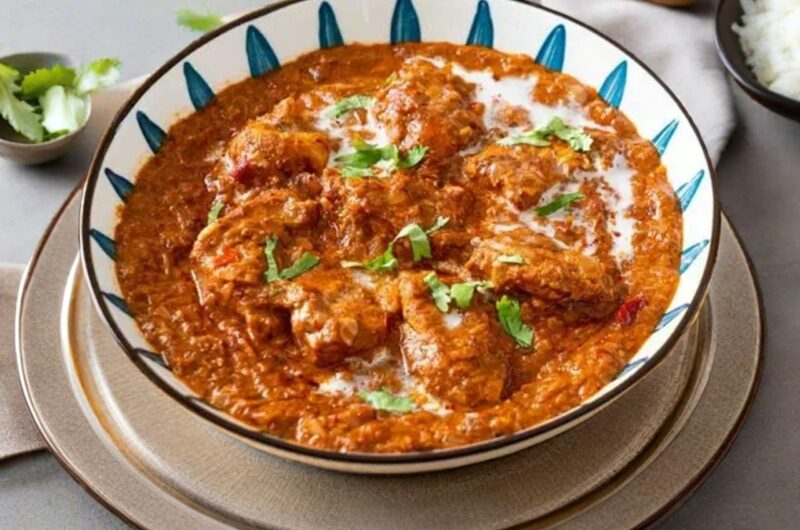
Serve over basmati rice with warm naan or chapati. Garnish with fresh coriander, a swirl of cream, and sliced green chilli. Accompany with mango chutney and cucumber raita. Chicken tikka masala is one of the best curry dishes for making ahead as the flavour deepens significantly on day two. Store in the fridge for up to 4 days or freeze for 3 months. Reheat gently on the stovetop, adding a splash of water if the sauce has thickened too much.
FAQs
Q: Is chicken tikka masala actually Indian?
A: Its origin is disputed. The tikka element is genuinely Indian but the masala sauce as it is known internationally may have been developed in British Indian restaurants.
Q: What makes tikka masala different from a standard curry?
A: The double cooking of the chicken, first grilled then simmered in sauce, produces a distinctive smoky depth that single-cooked curries do not have.
Q: Can I use a jar of tikka masala sauce?
A: Yes for a quicker result. The chargrilled chicken tikka is still the most important element and elevates even a jarred sauce significantly.
Q: Why is my tikka masala not as red as restaurant versions?
A: Restaurants often use food colouring. Natural deep colour comes from long cooking and good quality paprika. Kashmiri chilli powder produces a more vivid red naturally.
Q: Can I freeze chicken tikka masala?
A: Yes, it freezes excellently for up to 3 months. The sauce may separate slightly on thawing but comes back together when reheated and stirred.