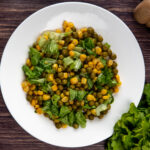
A warm, aromatic salad inspired by Morocco’s royal pastilla — spiced chicken with ras el hanout, cinnamon, preserved lemon, and toasted almonds over wilted greens and pomegranate, dressed with orange blossom and honey.
About This Recipe
Bastilla (or pastilla) is one of the great dishes of Moroccan court cuisine — a towering pastry of pigeon (or chicken), eggs, and almonds layered with sweet-savoury spices under a dusting of powdered sugar and cinnamon that is as theatrical as it is extraordinary to eat. This recipe captures every flavour element of that magnificent dish in a warm salad format that is achievable on a weeknight without sacrificing the distinctive flavour profile that makes bastilla so memorable.
The spicing is the heart of the dish. Ras el hanout — the complex Moroccan spice blend whose name means ‘top of the shop’ and which can contain up to thirty spices — provides the warm, aromatic backbone of cinnamon, coriander, ginger, and subtle floral notes from rose petals and lavender in the finest versions. Cinnamon in quantity, which would seem excessive in European savoury cooking, is entirely correct here — the sweet-savoury interplay that cinnamon creates with the chicken and the salty preserved lemon is fundamental to Moroccan flavour philosophy.
The toasted almonds, left in large slivers or broken into rough pieces, provide the crunch that was provided by the pastry in the original, and a final drizzle of orange blossom water and honey in the dressing recreates the scented sweetness of bastilla’s powdered sugar dusting in a form more suited to a salad. The result is a dish of remarkable complexity and elegance — simultaneously warming and refreshing, sweet and savoury, crunchy and tender — that communicates the sophistication of Moroccan cuisine in a format accessible to any home cook.
History & Origins
Bastilla originated in the Andalusian cooking traditions brought to Morocco by Moorish exiles from Spain following the Reconquista in 1492. It was adopted and elevated in the royal courts of Fez and Marrakesh, where it became one of the defining dishes of Moroccan court cuisine. The combination of sweet and savoury in the same dish, which might seem unusual to Western palates, reflects the Andalusian culinary tradition of medieval Spain, where Arabic influence produced a cuisine that integrated sweet spices, dried fruits, and nuts into savoury preparations. This tradition survives most completely in Moroccan cooking.
Why It’s Healthy
Chicken breast or thigh provides lean complete protein. Almonds are one of the most nutritionally impressive nuts — high in vitamin E, magnesium, calcium, and monounsaturated fats, with documented benefits for cholesterol levels and blood glucose regulation. Pomegranate provides ellagic acid and punicalagins — among the most potent antioxidants found in any food. Preserved lemon provides vitamin C and flavonoids. The combination of lean protein, healthy fats from almonds and olive oil, and the exceptional antioxidant load from pomegranate and Moroccan spices makes this a nutritionally impressive dish that happens to taste extraordinary
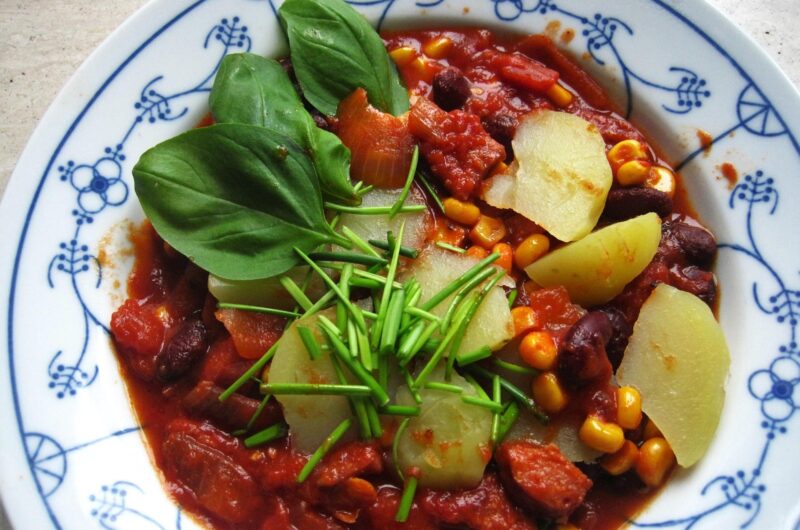
Moroccan Bastilla-Spiced Chicken Salad
Course: Healthy, Salad, Salads4
servings20
minutes25
minutes1660
kcalIngredients
•t600g chicken thighs, boneless
•t100g baby spinach and rocket mix
•t80g toasted slivered almonds
•tSeeds of 1 pomegranate
•t1 preserved lemon quarter, rind only, finely chopped
•tSmall bunch fresh coriander, roughly chopped
•t2 tbsp olive oil
•t1 tsp ras el hanout
•t1 tsp ground cinnamon
•t0.5 tsp ground ginger
•t0.5 tsp smoked paprika
•tSalt and black pepper
•tFor dressing: 3 tbsp olive oil, 1 tbsp lemon juice, 1 tsp orange blossom water, 1 tsp honey, 0.5 tsp cinnamon, salt
Directions
- Rub chicken thighs with ras el hanout, cinnamon, ginger, paprika, salt, pepper, and 2 tbsp olive oil. Marinate 15 minutes.
- Grill or pan-fry chicken over medium-high heat for 5–6 minutes per side until cooked through and caramelised.
- Rest chicken for 5 minutes, then slice thinly.
- Whisk all dressing ingredients together until emulsified.
- Toss greens with half the dressing and arrange on a large platter.
- Lay sliced chicken over the greens.
- Scatter toasted almonds, pomegranate seeds, preserved lemon rind, and fresh coriander over the top.
- Drizzle remaining dressing over. Serve immediately while chicken is still warm.
Notes
- Orange blossom water is available at Middle Eastern supermarkets and many regular supermarkets — even a small quantity has a significant aromatic impact.
Toast slivered almonds in a dry pan for 3–4 minutes, watching carefully — they burn very quickly but the toasted flavour is essential.
The warm chicken over the dressed greens causes slight wilting of the leaves, which is correct and desirable — it creates a warm salad texture.
Preserved lemon rind is intensely salty and flavourful — use a small amount and do not add additional salt to the area where it falls.
Make Ahead Tips
The spice-rubbed chicken can be marinated for up to 24 hours in the fridge — the flavour deepens significantly with longer marinating. The dressing can be made up to 3 days ahead. Toast the almonds up to 2 days ahead and store in an airtight container. The pomegranate seeds can be extracted a day ahead. Assemble the salad and cook the chicken just before serving — the dish is at its best with warm, freshly cooked chicken over the greens.
Storage & Serving
This salad is best assembled and eaten immediately — the dressed greens wilt within 30 minutes and the warm chicken cools quickly. Store components separately: cooked chicken keeps in the fridge for 3 days and can be eaten cold sliced over fresh greens with a new drizzle of dressing. Make the dressing fresh or store for up to 5 days. Toasted almonds keep in an airtight container for 1 week. Pomegranate seeds keep refrigerated for 3 days. Serve on a large shared platter in the Moroccan tradition — a communal dish placed at the centre of the table for everyone to serve themselves. Warm Moroccan msemen (layered flatbread) or any soft flatbread alongside for scooping is traditional. A small bowl of harissa and a dish of olives complete the spread. Mint tea served in small glasses before or after the meal is the essential Moroccan accompaniment.
Variations & Substitutions
Use duck breast instead of chicken for a richer, more intensely flavoured result that is closer to the original pigeon bastilla. A vegetarian version with roasted spiced butternut squash and halloumi in place of the chicken is beautiful and substantial. Add 100g of dried apricots, soaked and roughly chopped, to the salad for an extra layer of sweet-tart fruit that is authentically Moroccan. Substitute walnuts for the almonds and add a tablespoon of pomegranate molasses to the dressing for a deeper, more complex flavour profile.