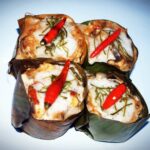
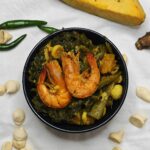
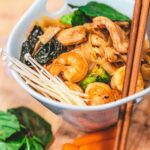
A fiery, sour, tamarind-based curry with fish and mixed vegetables — no coconut milk, no cream, just pure bold Thai flavour that clears the sinuses and lifts the soul.
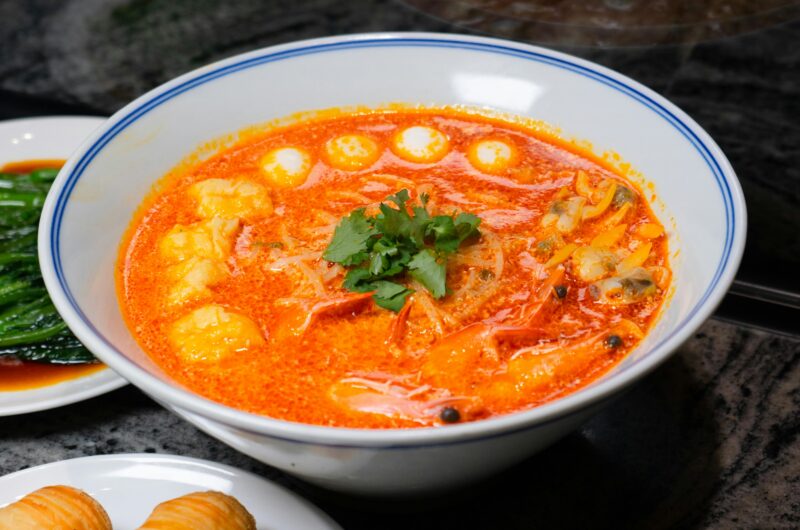
Kaeng Som stands apart from almost every other Thai curry because it contains no coconut milk whatsoever. Where most Thai curries are rich and creamy, Kaeng Som is clear, fierce, and brilliantly sour — a broth of tamarind and fish stock sharpened with orange chilli paste and packed with fresh vegetables. It is one of the most distinctively flavoured dishes in Thai cuisine and one of the most powerfully restorative.
The name means sour orange curry — kaeng for curry, som for sour/orange — and the sourness is the defining characteristic. Tamarind paste provides the primary acidity, which is direct and fruity. Fish sauce adds the salt and umami depth. And a paste made from dried orange chillies or regular dried red chillies provides a clean, bright heat without the richness that fresh chilli brings. The result is a broth that is simultaneously sour, salty, spicy, and deeply nourishing.
Kaeng Som is a curry that Southern Thai families eat throughout the week as a daily staple — light enough to eat in large quantities without heaviness, versatile enough to accommodate whatever vegetables and fish are available. It is the ultimate everyday Thai curry and the one least known outside Thailand despite being, to many Thai palates, the most satisfying of all.
Nutrition (per serving)
Calories: 280 kcal | Protein: 24g | Carbs: 22g | Fat: 8g | Fiber: 6g
Kaeng Som (Sour Orange Curry)
Course: Thai4
servings20
minutes25
minutes280
kcalIngredients
•t400g firm white fish (snapper, sea bass, or catfish), cut into chunks
•t400g mixed vegetables: green papaya or cucumber cut into chunks, green beans, Chinese cabbage, carrot
•t1 litre fish stock or water
•t3 tbsp tamarind paste
•t3 tbsp fish sauce
•t1 tsp palm sugar
•tFor kaeng som paste: 8 dried long red chillies, soaked and drained
•tFor kaeng som paste: 5 shallots
•tFor kaeng som paste: 4 garlic cloves
•tFor kaeng som paste: 1 tsp shrimp paste
•tFor kaeng som paste: 1/2 tsp turmeric
•tFresh coriander and spring onions to garnish
Directions
- Make kaeng som paste: blend soaked chillies, shallots, garlic, shrimp paste, and turmeric with a splash of water until completely smooth.
- Bring fish stock to a boil in a large pot. Add the kaeng som paste and stir to dissolve completely. Boil for 5 minutes.
- Add tamarind paste, fish sauce, and palm sugar. Taste and adjust — the broth should be aggressively sour, quite salty, and moderately spicy. The balance should lean towards sour.
- Add vegetables, starting with the hardest (green papaya, carrot) and ending with the softest. Cook for 8-10 minutes until just tender.
- Add the fish pieces last. Simmer gently for 4-5 minutes until just cooked through.
- Taste and make final adjustments to the seasoning.
- Serve in deep bowls garnished with coriander and spring onion.
Notes
- Kaeng Som should taste aggressively sour — more so than you might initially be comfortable with. The sourness mellows when eaten with rice.
There is no oil in the cooking process — this is a genuinely light, broth-based curry with almost no fat.
The paste can be made in large batches and frozen in tablespoon portions — an excellent time-saving strategy for weeknight cooking.
Any firm fish works well. Avoid delicate fish like sole or plaice which will fall apart during cooking.
Vegetables with some bitterness — Chinese bitter melon, morning glory, yard long beans — are traditionally used and contribute to the flavour balance.
Storage
Kaeng Som keeps in the fridge for up to 2 days. The sourness deepens overnight. Reheat gently — do not boil as the fish will overcook. The paste keeps in the fridge for 2 weeks and freezes for 3 months. Store the curry without the fish for longer storage and add fresh fish when reheating.
Serving Tips
Serve over steamed jasmine rice — the rice absorbs the sour broth beautifully and moderates the intensity of the flavours. A cold glass of Thai iced tea with its sweetness provides an ideal contrast to the sourness and heat of the curry. Kaeng Som is best eaten with other dishes as part of a Thai shared meal rather than as a standalone.